20 Years of Impact

Celebrating Two Decades of Transforming Global Fisheries and Aquaculture Sustainability

A New Vision for Improving Fisheries and Aquaculture...

…Became the Industry Standard

Two decades later, SFP’s approach – industry-led, science-based, solutions-forward, transparent, collaborative – has transformed the landscape of fisheries and aquaculture improvement. And we have had a profound impact on the oceans, the seafood industry, fishing communities, and fisheries management around the world.

As we celebrate our 20th anniversary, we are looking back at some of SFP’s most significant impacts – and forward at what it will take to reach our ultimate goal of a world where all seafood is responsibly produced and sourced.

It’s no accident that partnership is in the name of our organization.

Jim Cannon, founder and CEO of SFP

Messages from our Chair & CEO

Looking back and moving forward

Since SFP was founded, seafood production and sourcing practices have changed, competitors are collaborating, and there’s been real improvements to fisheries and aquaculture. And now we’re looking ahead to even tougher challenges.

Engaging the entire seafood supply chain

Twenty years ago, SFP introduced a new and unique approach to fisheries management – one that engages the entire seafood supply chain to lead improvement efforts and help rebuild depleted fish stocks.

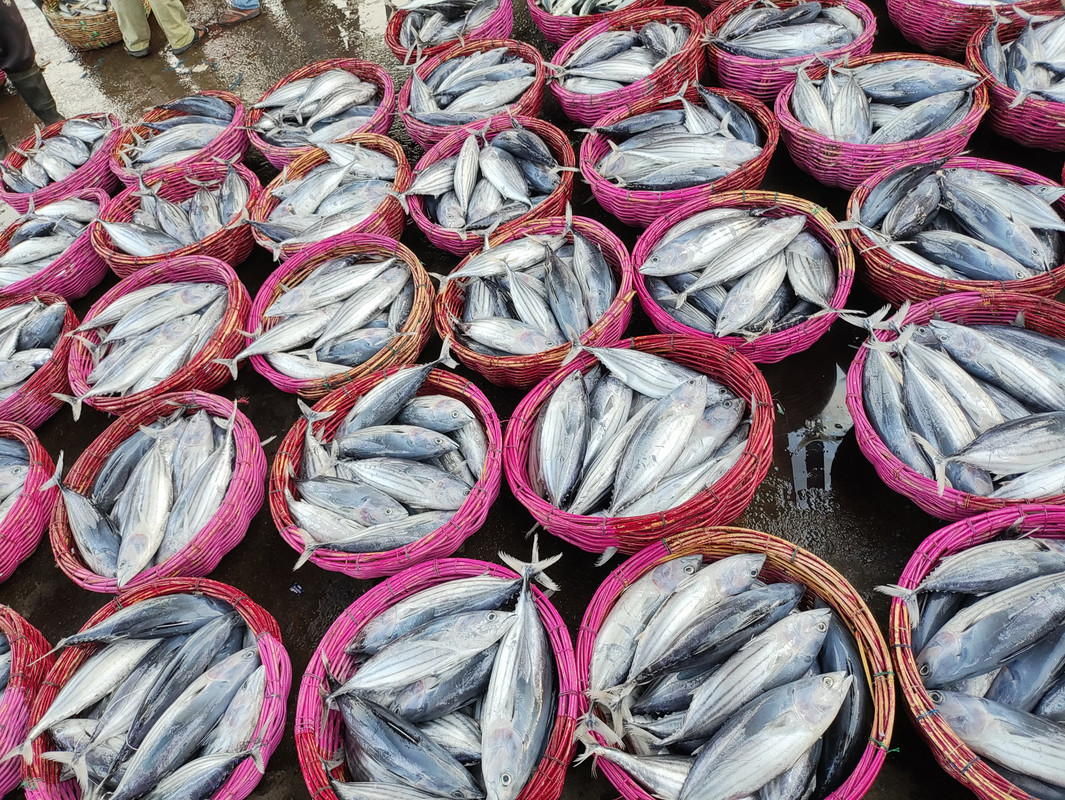
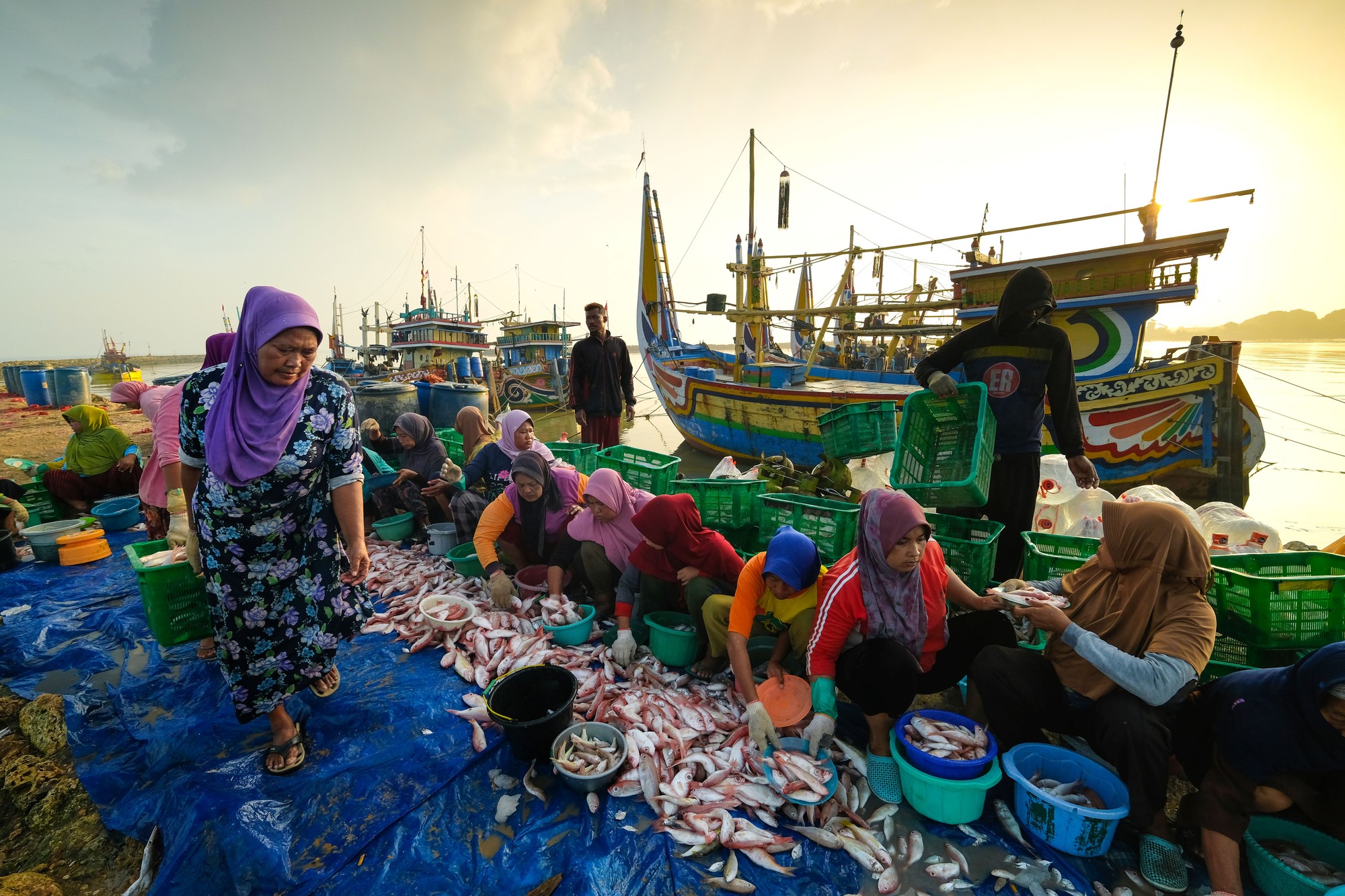
Women at a fish market in Java, Indonesia
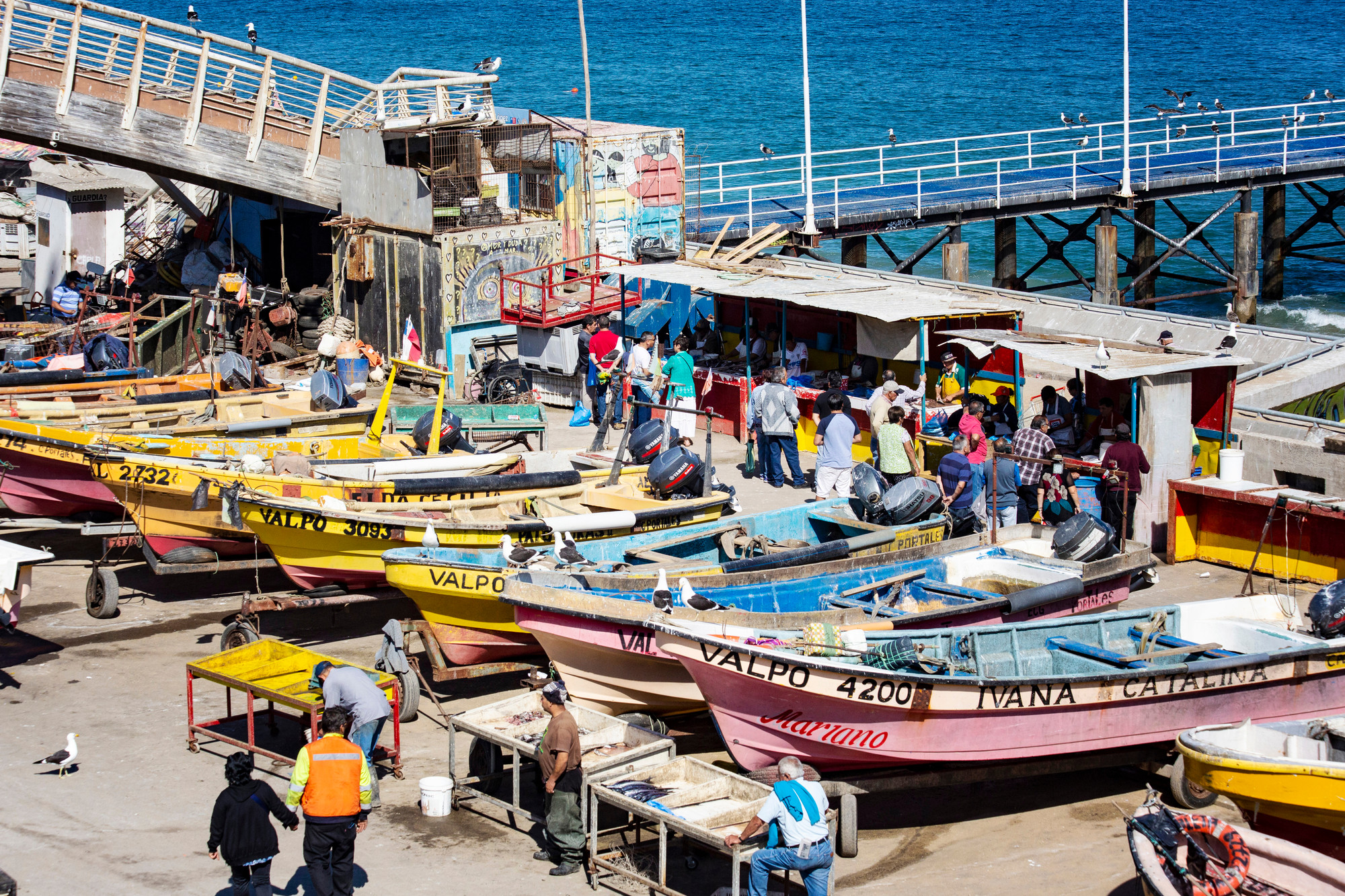
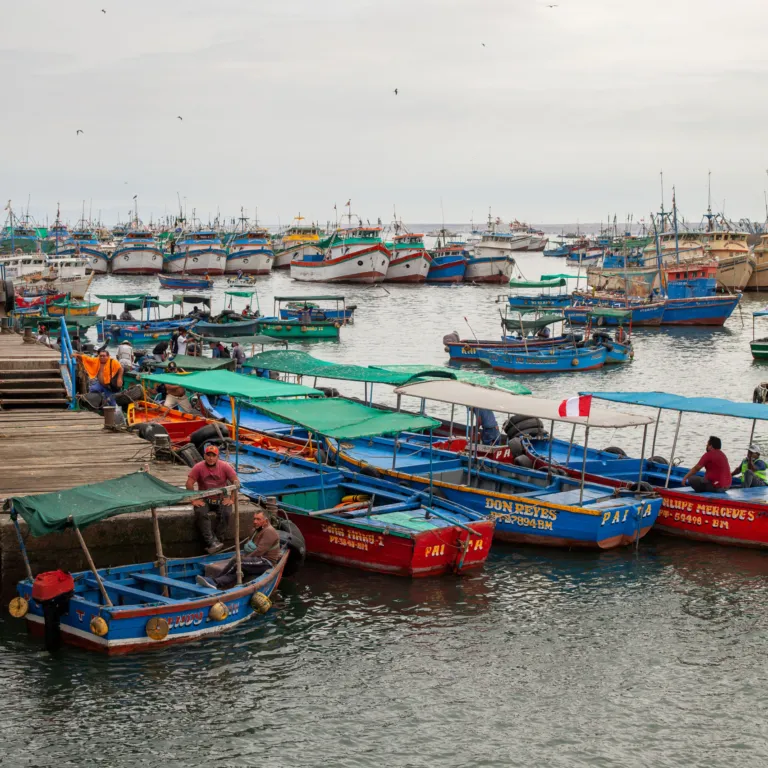
Chile small-scale fishing boats
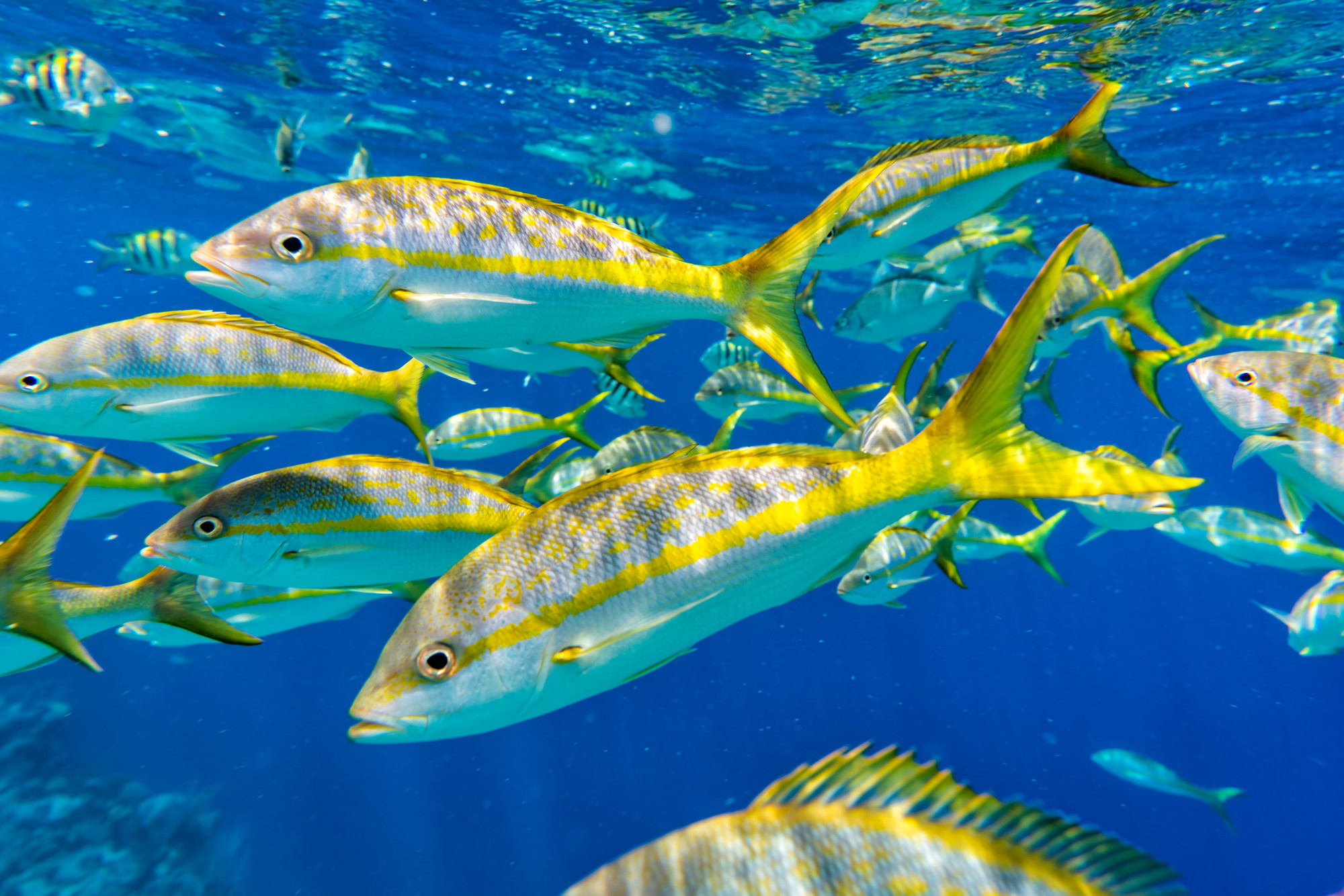
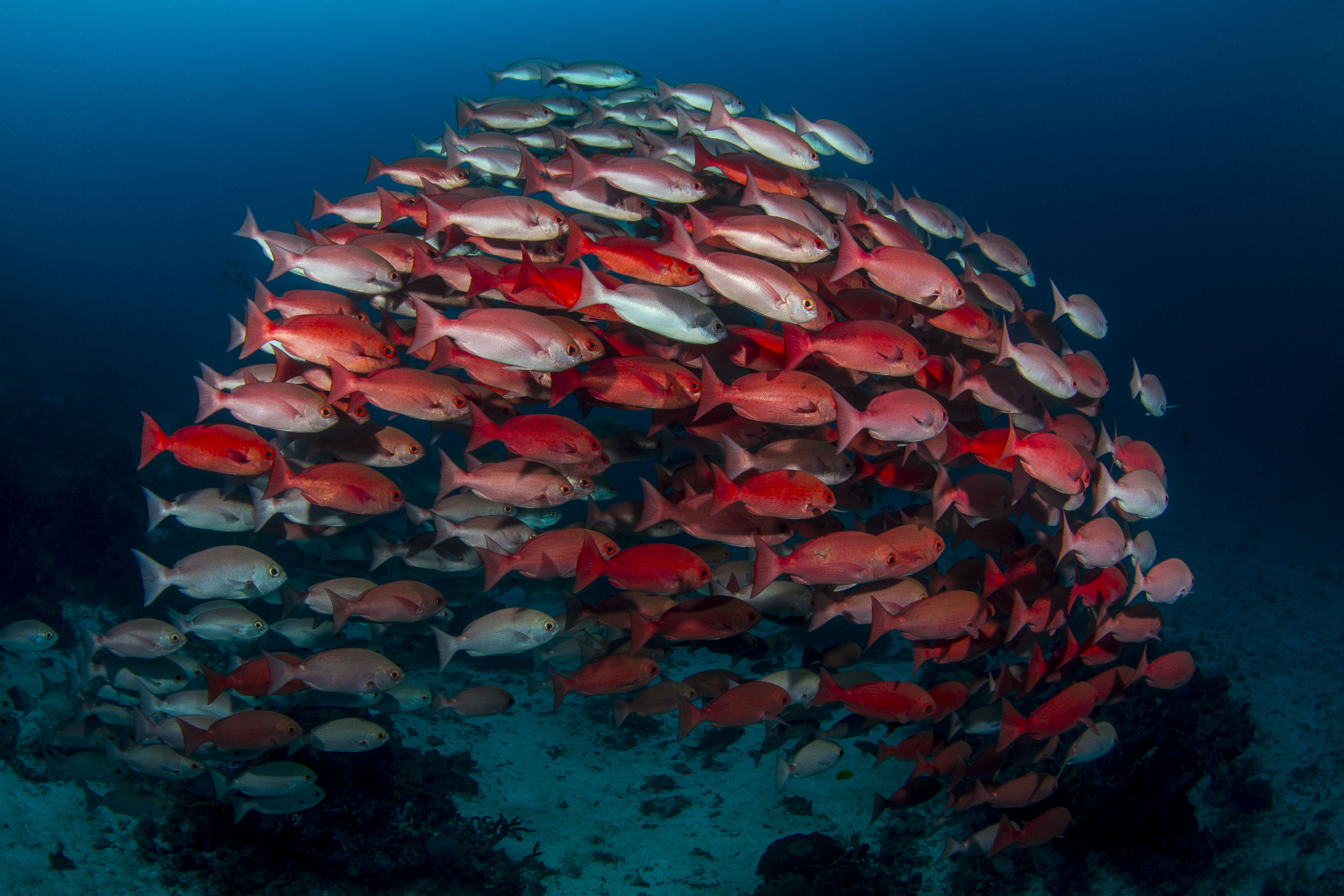
Group of colorful Yellowtail Snappers fish school in blue water.
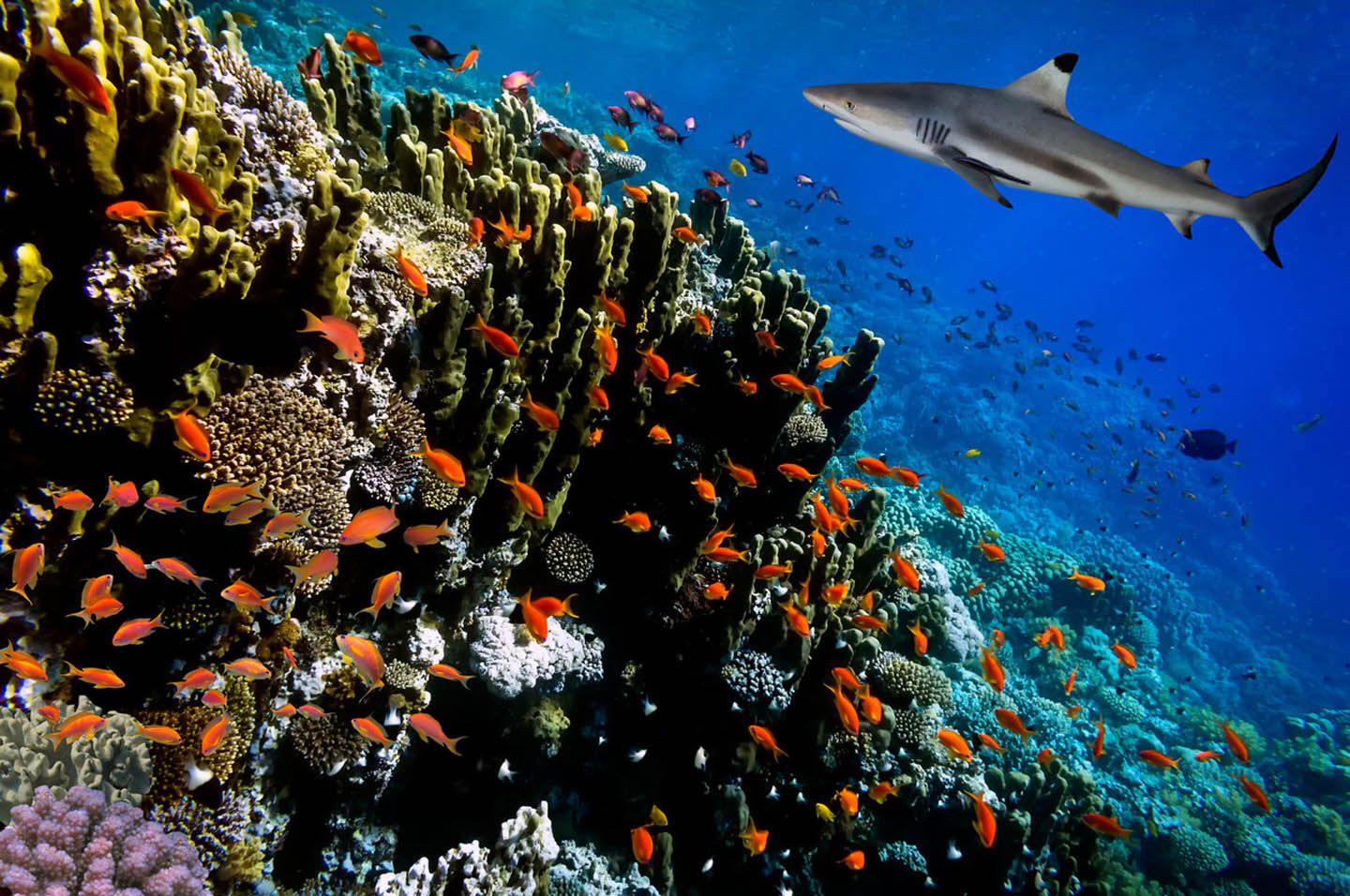
small shark cruises a reef populated by a school of small red fish
The Evolution of Sustainable Fisheries Partnership

Over the course of the last two decades, SFP has been focused on a singular goal: improving fisheries and aquaculture around the world. But how we approach that goal has shifted slightly as we’ve grown and the seafood industry has grown with us.

Phase 1 | 2006 – 2011

Proof of concept

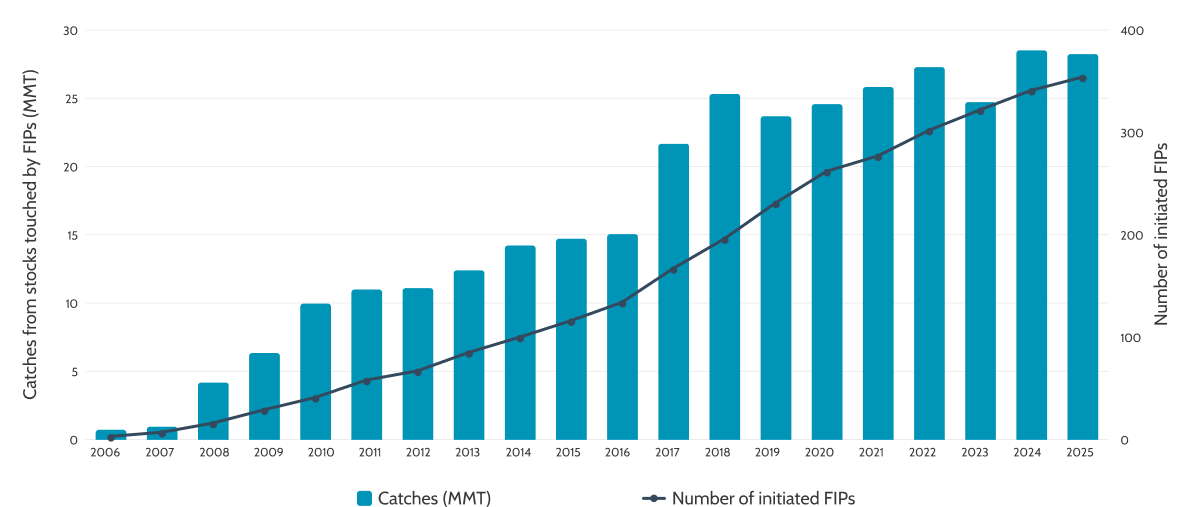
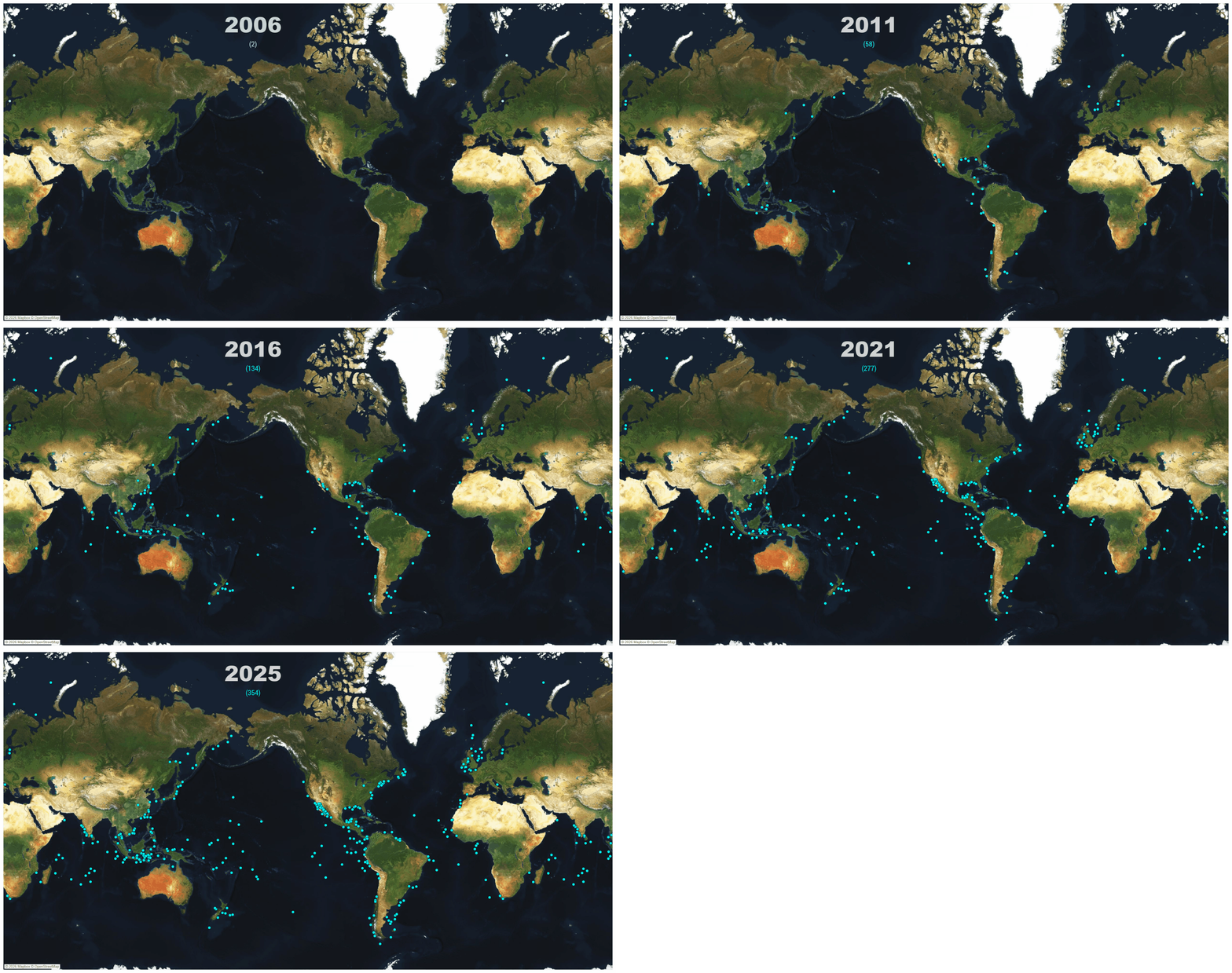
SFP was founded and pioneered the use of fishery improvement projects (FIPs), multistakeholder efforts that bring together retailers, processors, producers, and fishers to identify and address environmental challenges in marine fisheries. By creating and helping to lead a demonstration portfolio of FIPs, SFP demonstrated that collaboration – among industry, governments, NGOs, and scientists – is the most effective way to improve fisheries.

Phase 2 | 2011 – 2016

Transition to industry leadership

Once we proved that FIPs were an effective approach to fisheries improvement, SFP began to get out of the business of running FIPs, transferring ownership and responsibility to the seafood industry. And we began to focus on other mechanisms to amplify industry leadership on fisheries improvement.

Phase 3 | 2016 – 2021

Scaling to a common target

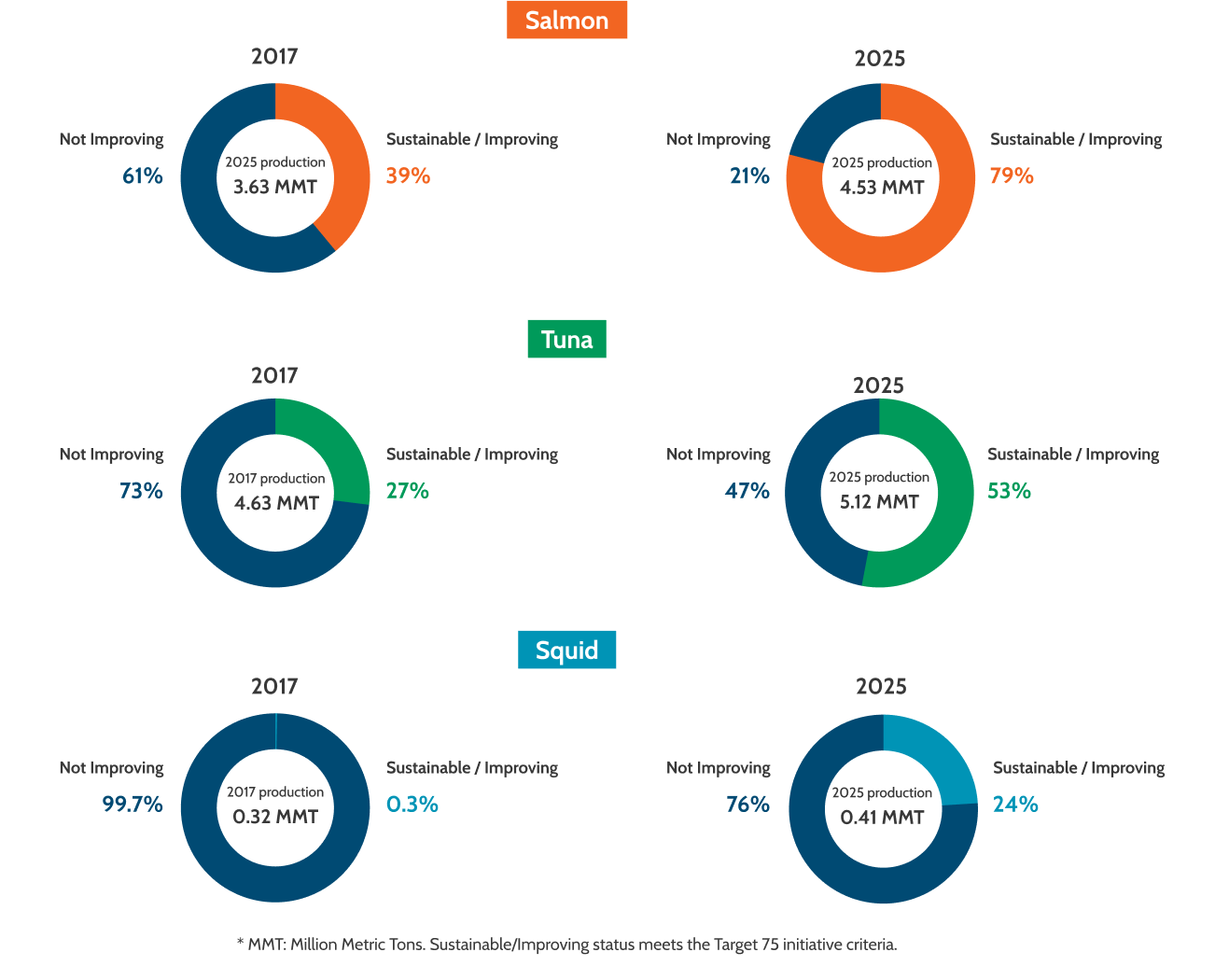
With growing industry participation and leadership in fisheries and aquaculture improvement, SFP turned its focus on creating common goals for industry to collectively work toward. We launched the Target 75 initiative, creating a global target of achieving at least 75% of volume within 13 major seafood sectors to be certified or improving. We also formalized a set of Supply Chain Roundtables, bringing companies together to work pre-competitively across sectors of common interest.

Phase 4 | 2021 – 2026

Filling the gaps

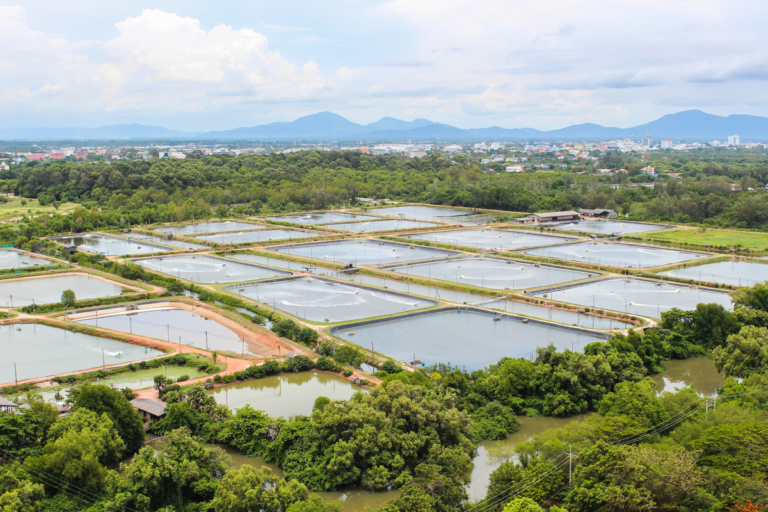
By this point, the sustainable fisheries (and thus seafood) movement is well underway. FIPs are a commonly used tool and certification is a recognized measure of sustainability. Yet there are still areas where industry leadership and scaling of solutions are not sufficient to address the tough challenges in fisheries and aquaculture. To meet these challenges, SFP launched several new lines of work, focused on reducing marine bycatch, supporting small-scale fishing communities, combating illegal fishing, and promoting landscape-level aquaculture management.

All Hands on Deck

Phase 5 | 2026 – 2031

All Hands On Deck

In our first 20 years, SFP has been a part of tremendous successes in many of the world’s most important fisheries and aquaculture regions. But many problems still remain. Looking to the future, we are launching an updated strategy, focused on impact, collaborative fisheries management, and industry accountability. We are calling this strategy “All Hands on Deck,” because we know we can’t do it alone. So we’re building a coalition of like-minded industry leaders, NGOs, governments, funders, and other stakeholders to join us as collaborators and partners for the next 20 years.

20 years, 20 impacts

A sampling of the many ways SFP has had an impact over the last two decades –
on the water, in fishing communities, in ecosystems, and on fisheries management.

Industry Leadership

In everything we do, we prioritize building industry leadership to take sustainability to scale

Science & Tools

We give industry the tools and resources to power their sustainability commitments, underpinned by the science and data that are the foundation of all our work.

Fisheries Governance & Livelihoods

We empower the supply chain to be an active partner in fisheries governance, an approach that is good for business, good for communities, and good for nature.

Biodiversity & Nature

We connect companies that want to take action to protect biodiversity and nature and organizations that are doing good work on the ground and in the water.

20 Years of Believers: The Donors Who Make it Happen

SFP began two decades ago with just two donors – the Packard Foundation and the Walton Family Foundation. Today, these two founding donors remain some of our most important supporters. Along the way, we’ve quadrupled in size and received support from dozens of other foundations, government agencies, development banks, and individuals.

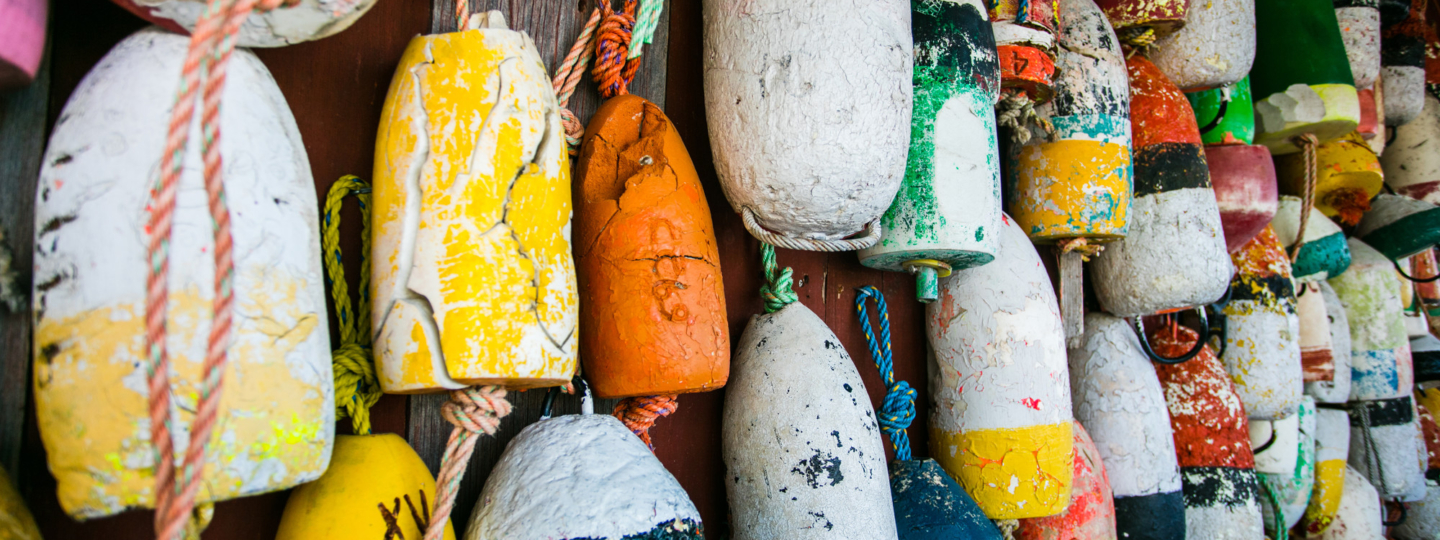
Colorful buoys hanging on a wall

Explore our 2025 Impact Report

Read our annual report to learn more about SFP’s highlights and achievements in 2025.

Read Full Report