The GMC2 Project:
Transforming seafood supply chains to support sustainable fisheries
SFP is leading a collaboration with seafood value chain actors and other private and public partners across six countries in Northwest Africa and Latin America, to align supply and demand to improve fisheries sustainability.
The five-year initiative, known as the Global Marine Commodities 2 (GMC2) Project, aims to contribute to efforts to reduce overfishing and strengthen fisheries sustainability by bringing market-based tools and support to ongoing fisheries governance efforts in the Canary Current Large Marine Ecosystem (CCLME) and the Pacific Central American Coastal Large Marine Ecosystem (PACA). The project builds on the experiences and lessons of the first Global Marine Commodities (GMC1) project, which ran from 2017-2021.
Both the CCLME and PACA are critical sources of wild-caught seafood, supporting food security for millions in both regions and around the world. Although knowledge of target and shared fish stocks has improved, many of these fisheries are still not effectively managed at either the national or regional level. The growing global demand for seafood continues to put pressure on these fisheries, contributing to increased fishing pressure, the loss of marine biodiversity, and negative impacts on the people and communities who depend on these resources.
The GMC2 project will focus on fisheries improvements in 10 target fisheries and seafood supply chains in the two regions:
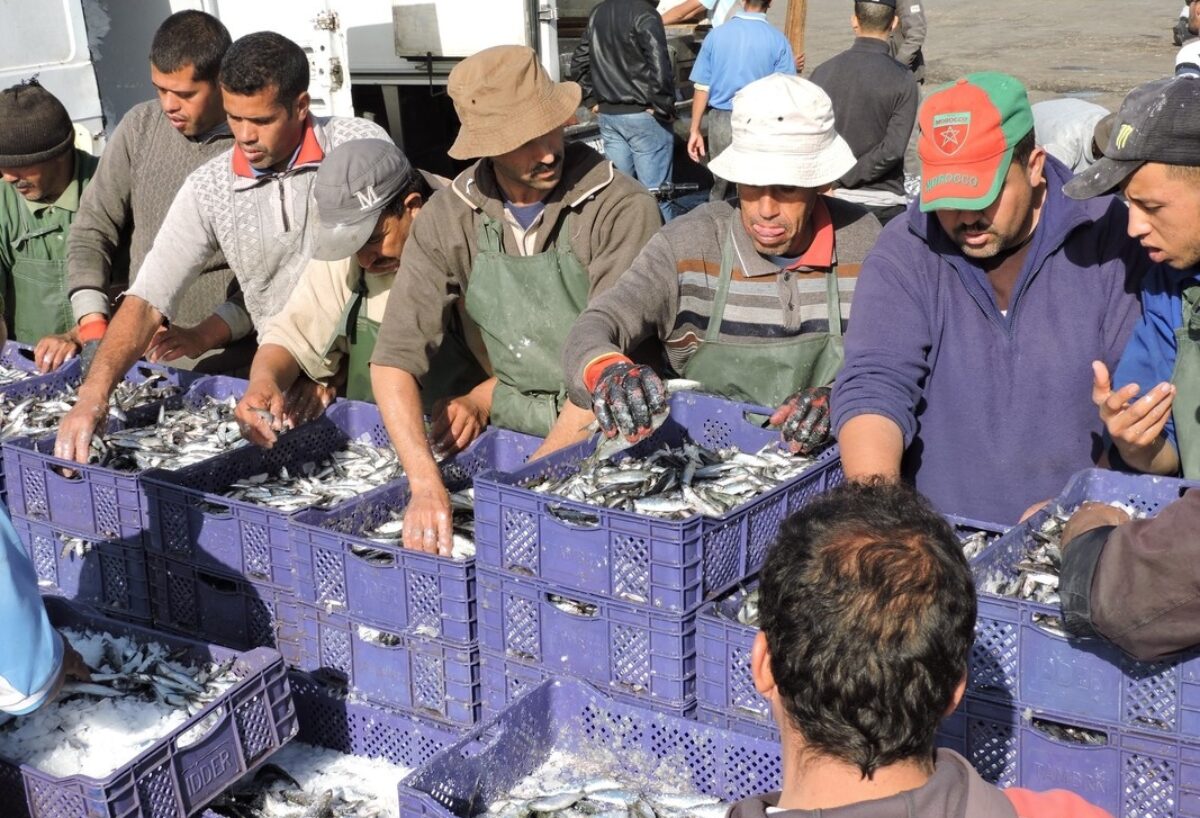
- Small pelagic fish in Mauritania, Morocco, and Senegal (CCLME)
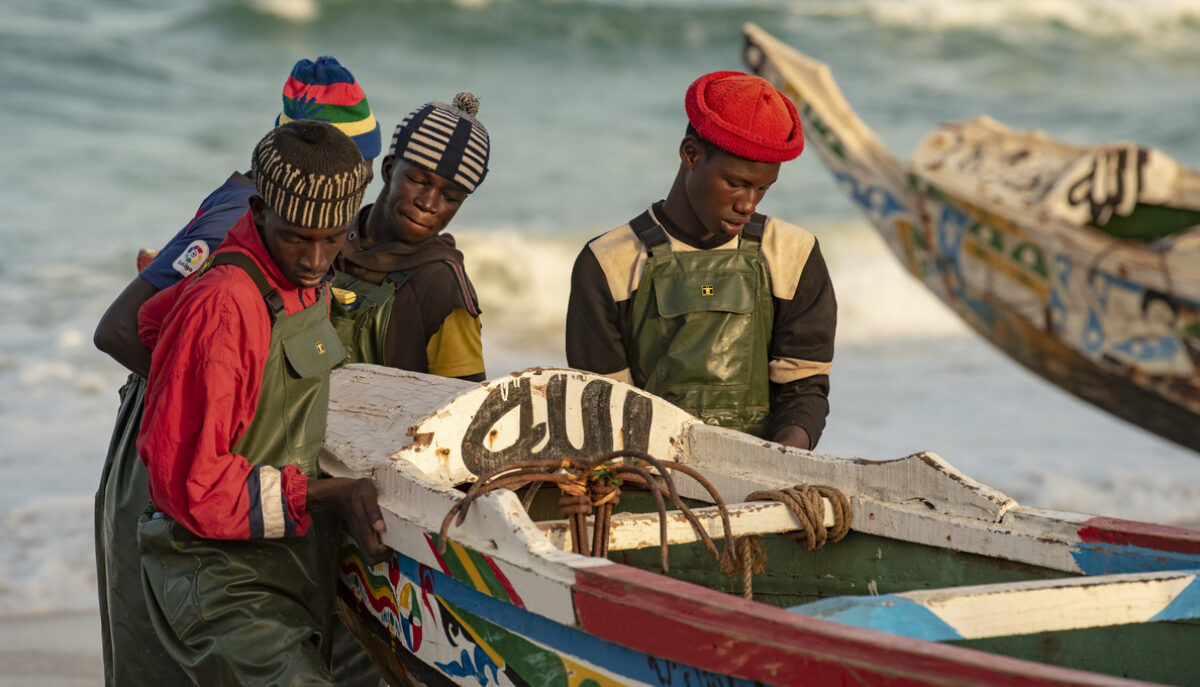
- Octopus in Mauritania and Senegal (CCLME)
- Large pelagic fish in Ecuador, Guatemala, and Panama (PACA)
- Titi shrimp, also known as pomada, in Ecuador (PACA)
- White shrimp in Panama (PACA).
“Mainstreaming Sustainable Marine Fisheries Value Chains into the Blue Economy of the Canary Current and the Pacific Central American Coastal Large Marine Ecosystems”
Countries: Ecuador, Guatemala, Mauritania, Morocco, Panama, Senegal
Project funder: The Global Environment Facility (GEF)
Project implementing agency: United Nations Development Programme (UNDP)
Project executing agency: Sustainable Fisheries Partnership
Project dates: 2026-2031
SFP's role
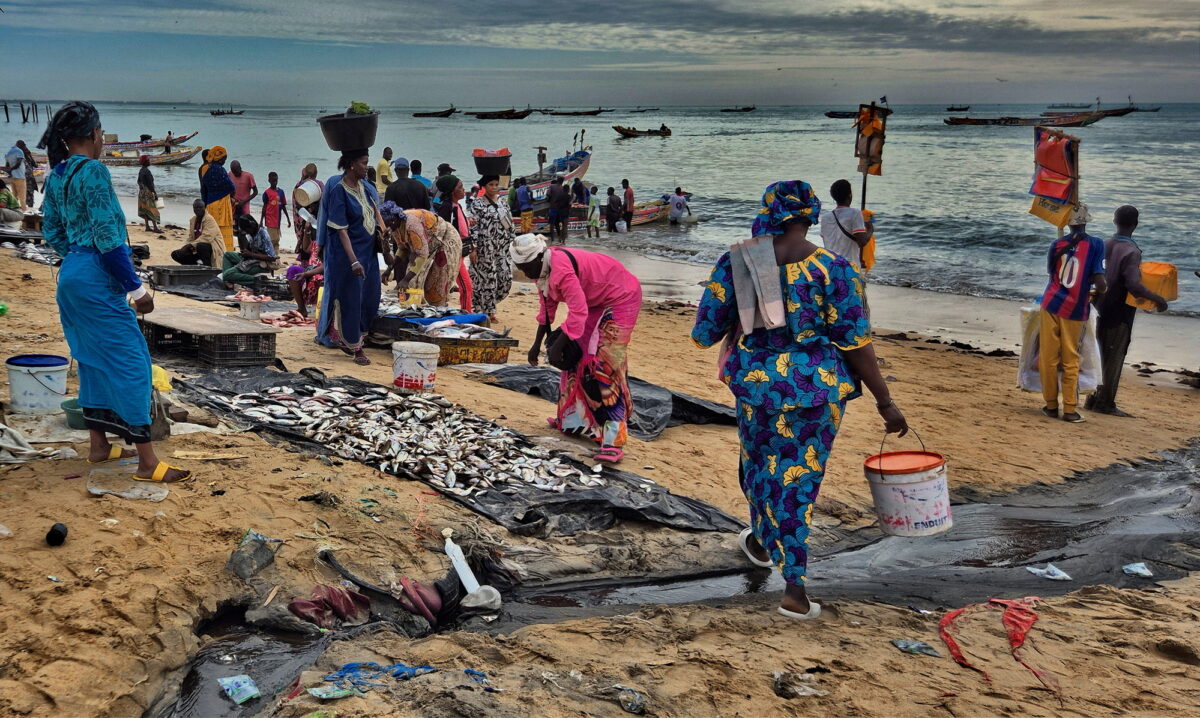
SFP is leading the execution of the GMC2 project, coordinating with the GEF implementing agency United Nations Development Programme (UNDP), governments, private-sector actors, and other partners. SFP will engage market partners, deploying existing market-based tools and developing new approaches to advance fishery improvements, strengthen governance, and build sustainable seafood supply chains across both regions.
How the project will drive change
The GMC2 project is based on the premise that stronger demand for sustainable and socially responsible seafood can encourage suppliers to improve their practices and support progress in fisheries management. In turn, better governance, conservation, and management can contribute to healthier fisheries, improved livelihoods for fishing-dependent communities, and healthier marine ecosystems.
The project includes three distinct components aimed at achieving these overall goals:
- Increased market demand for sustainable seafood products from CCLME and PACA. This component will focus on increasing demand in international and domestic markets by motivating buyers to adopt seafood purchasing policies that require source fisheries to demonstrate ecological and social sustainability.
- Increased supply of sustainable seafood products from CCLME and PACA. This component will support supply chains in producing seafood from fisheries with improved governance and stock health, greater social responsibility, and reduced bycatch and environmental impacts.
- Knowledge management to support the transformation of the seafood market. This component will focus on generating information to support decision making by key stakeholders in the targeted supply chains, documenting and disseminating project learning worldwide and within the fisheries, and implementing project-level monitoring and evaluation, in compliance with GEF and UNDP requirements.
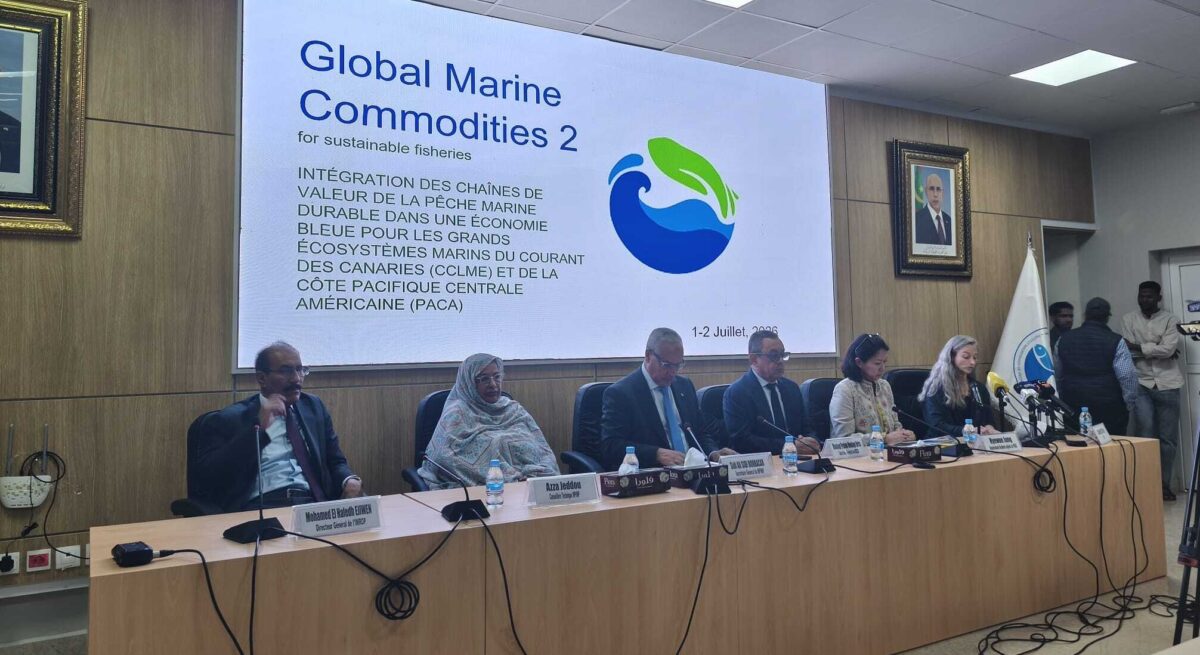
Participants at the CCLME regional inception workshop in Nouakchott, Mauritania, July 1, 2026.
About the Canary Current Large Marine Ecosystem (CCLME)
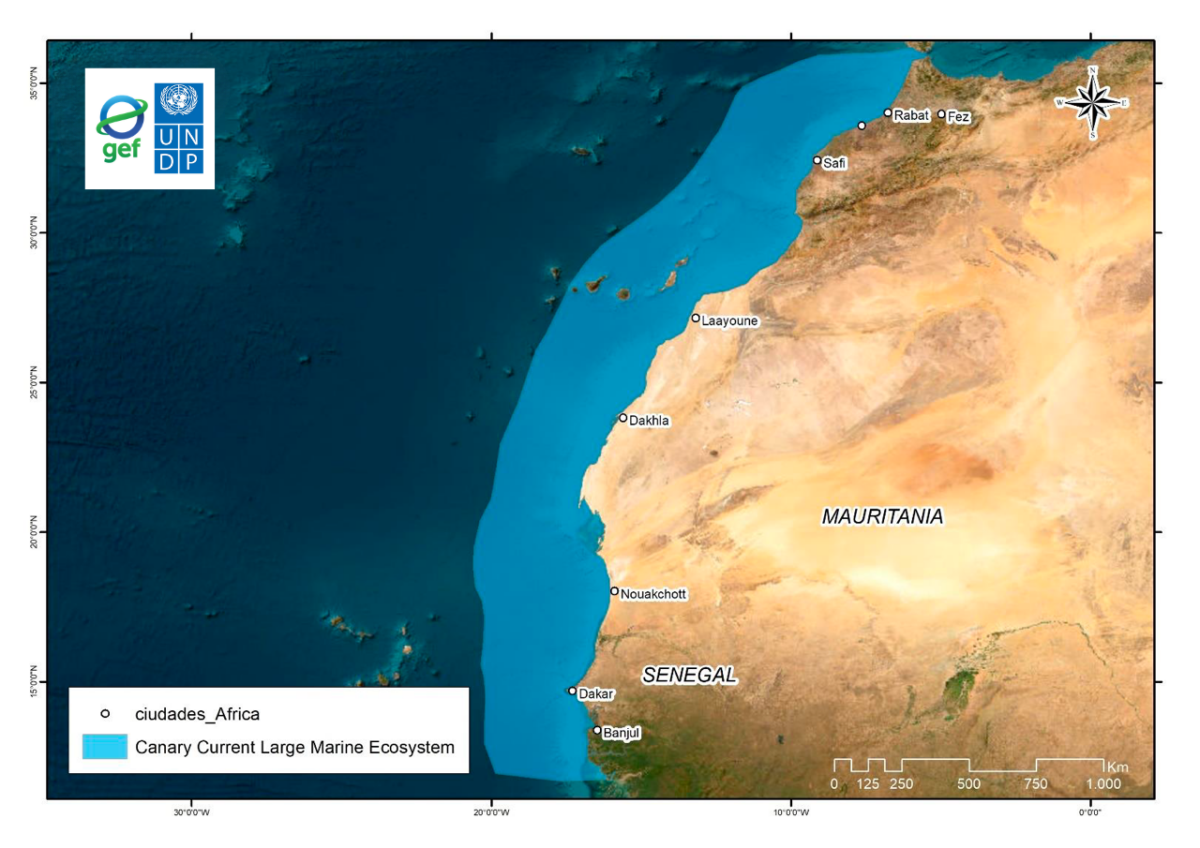
Source: GEF
The CCLME is one of the world’s most productive and biologically important marine ecosystems. Stretching from Morocco in the north to Guinea-Bissau in the south, the region provides food and livelihoods for nearly 35 million people along the northwest African coast. The fisheries of the CCLME produce about 4.4 million tonnes of catch each year, with small pelagic fish representing about 75% of this catch. Cephalopods are also an important resource – the Northwest Africa common octopus fishery is the largest octopus fishery in the world. However, the region faces serious challenges from overfishing, habitat degradation, and pollution.
About the Pacific Central American Coastal (PACA) Large Marine Ecosystem
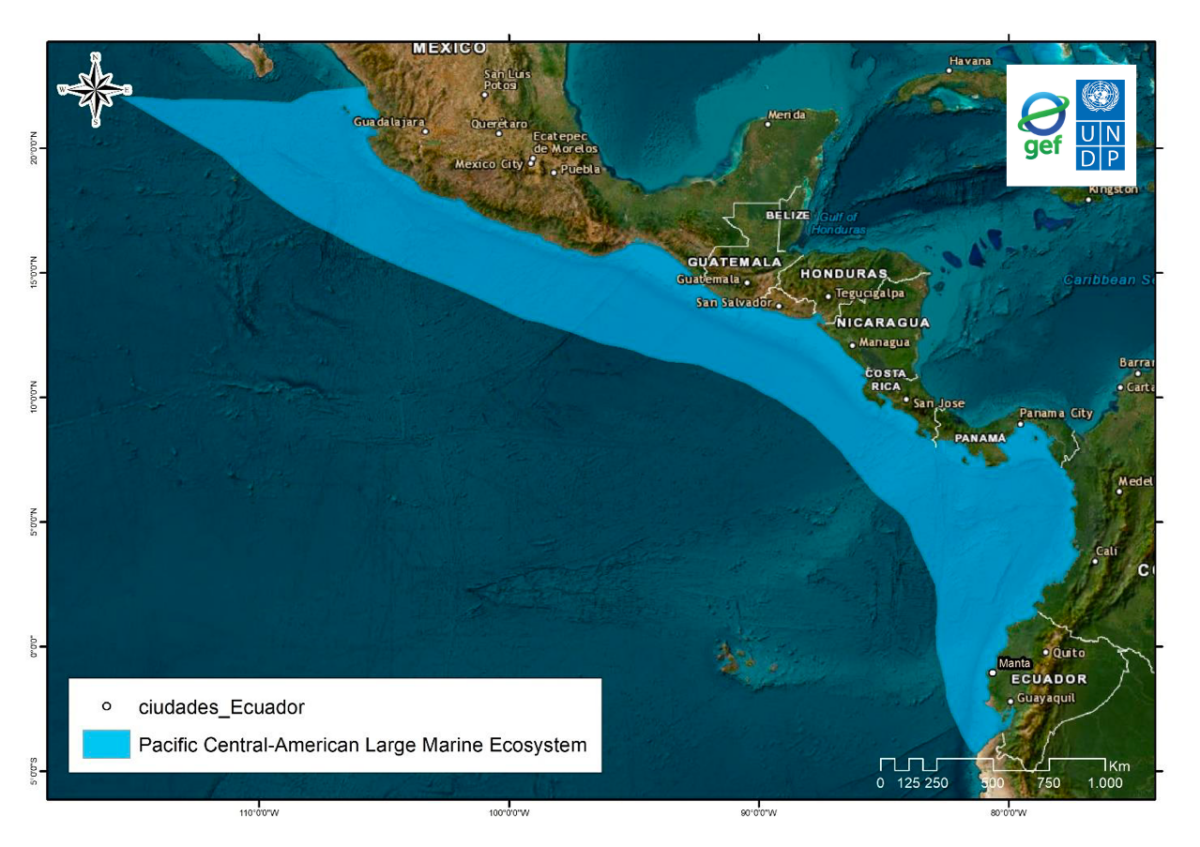
Source: GEF
Extending from Mexico in the north to Ecuador in the south, the PACA connects people and habitats across nine countries in Central and South America. About 50 million people live in the coastal communities of the PACA, where regional fishers bring in about 1.3 million tonnes of catch each year. Small pelagic fish represent about a third of this total catch, while other major fisheries include tuna, other large pelagics, sport fisheries, and shrimp.
Related Links
SFP leading collaborative project to strengthen fisheries in Northwest Africa and Latin America (SFP)
Ecuador liderará proyecto internacional de pesca sostenible (Ecuador will lead an international sustainable fishing project) (El Universo)
Morocco launches Global Marine Commodities 2 project to boost sustainable fisheries (Hespess)
Ecuador Gulf of Guayaquil titi shrimp – bottom trawl (CNP)
Ecuador mahi-mahi – longline (CONSERVATIONMAHIMAHI)
Ecuador mahi-mahi – longline (ASOAMAN)
Ecuador skipjack, yellowfin, and bigeye tuna – purse seine (SUSTtainableTUNAfishing)
Ecuador South Eastern Pacific swordfish – longline
Learn more about the GMC2 Project
Contact SFP to learn more about the project and how you can support improved fisheries management in the CCLME and PACA regions.