
Ocean Disclosure Project
A Decade of Disclosure: Celebrating 10 years of the ODP
The Ocean Disclosure Project advances transparency in the seafood sector by giving companies a platform to publicly disclose their sourcing.
SFP is celebrating a decade of disclosure through the Ocean Disclosure Project. Explore this page to discover some highlights of the ODP’s activities, achievements to date, and our vision for the future.
The ODP began as a pilot project of SFP in 2014, before officially launching in 2015 with the support of five pioneering companies – UK retailers ASDA, Co-op, and Morrisons, and aquaculture feed manufacturers Biomar and Skretting. Since then, the project has grown year-on-year, and the ODP is now an integral part of the tools and services offered by SFP to help businesses advance their sustainability goals.
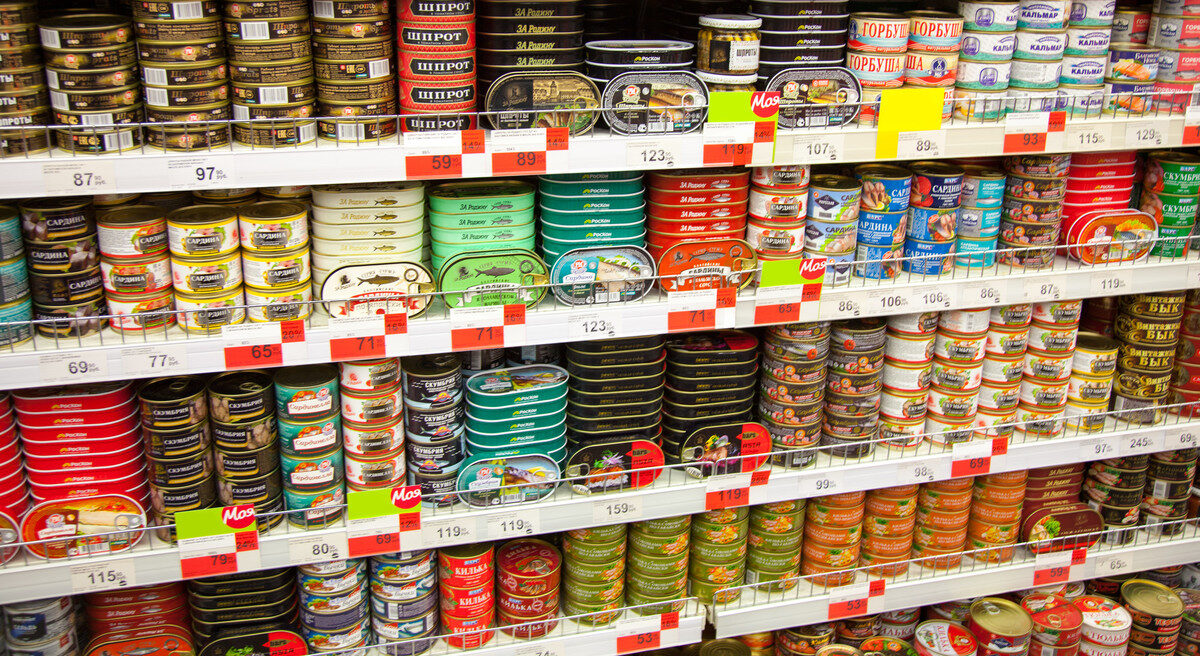
Today, nearly 50 companies from around the world have participated in the ODP by voluntarily disclosing the details of their seafood sourcing and associated environmental impacts. Participants have included many leading retailers, seafood suppliers and distributors, fish feed manufacturers, and meal kit and subscription food delivery companies.
A tool for sustainability
The ODP leverages the power of transparency in seafood to promote continued improvements in fisheries and aquaculture. Transparency is key to driving accountability within supply chains. It enables improved oversight of business practices by investors, consumers, NGOs and the wider sustainability community and incentivizes businesses to achieve their sustainability commitments. By coordinating efforts to deliver greater transparency in global seafood supply chains, the ODP supports SFP’s vision of a world where all fisheries and aquaculture are improving toward a goal of 100% sustainably and responsibly produced seafood.
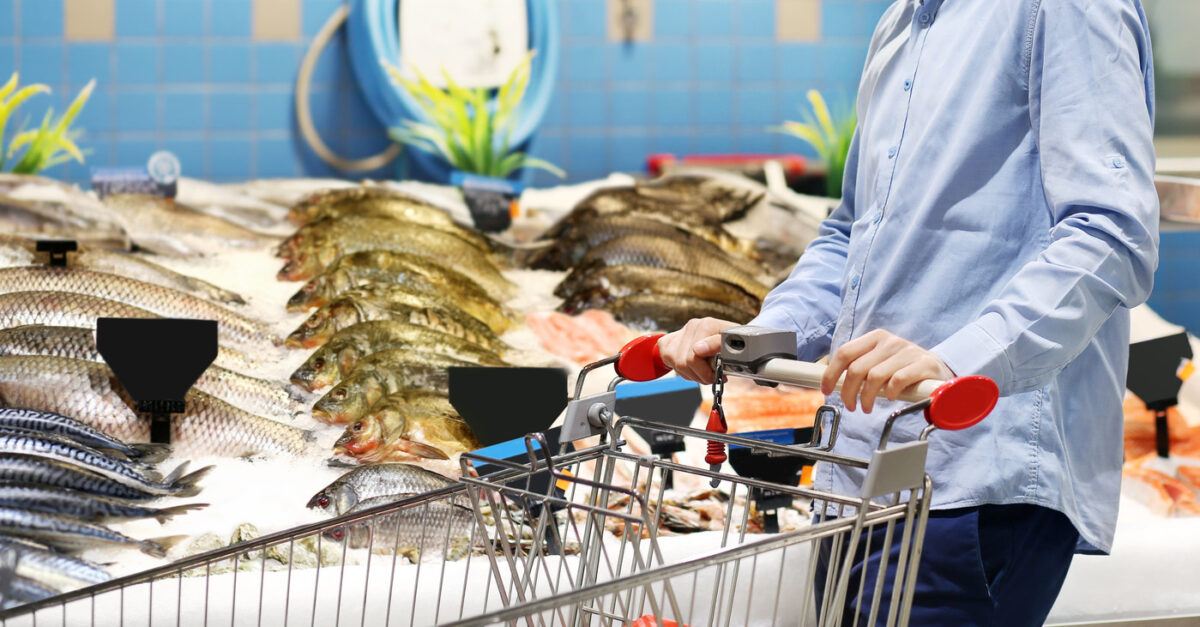
Through the ODP, companies are encouraged to voluntarily disclose the fisheries and farmed seafood that they source from. For companies that choose to participate, the ODP provides a simple way to publicly disclose their seafood sources through a common reporting profile that identifies the origin of their seafood, along with key sustainability and environmental information. Those profiles are then published on the ODP website, where they can be freely accessed by anyone interested in sustainable seafood.
What is included in an ODP profile
The ODP enables companies to voluntarily disclose information on their wild-capture and farmed seafood sources, including:
- Species and location
- Production method
- Certification and improvement status
- Sustainability ratings
- Environmental impact.
The Story of the ODP
- 2014-2017: Launching the ODP
- 2018-2021: Growth and expansion
- 2022-2025: New countries and participants
- 2026 and beyond: Vision for the future
2014: SFP completes a pilot disclosure project with retail partner ASDA.
2015: Building on the success of the pilot, the ODP is formally launched with the support of five founding participants: UK retailers ASDA, Morrisons, and Co-op, and aquaculture fish feed manufactures BioMar Norway and Skretting Norway. These early adopters play a leading role in supporting transparency in seafood. Initially, the ODP asked companies to disclose the origin of their wild-capture seafood alongside information on the environmental sustainability of those sources, including certification and improvement projects, FishSource ratings, and environmental impacts.
2016-2017: The project gains momentum as more businesses join, including Publix—the first US participant—and Joseph Robertson, the first supplier to participate.
September 2017: SFP launches a dedicated website for the ODP to serve as an online platform for voluntary disclosure of seafood sourcing. This transition to an online platform brings with it greater visibility for the project, its participants, and the seafood sourcing disclosures, enabling anyone to freely access the information shared by participating companies in one place.
2018: Seafood supplier Albion Farms & Fisheries becomes the first Canadian company to participate in the ODP.
2019: Retailer Aldi Australia becomes the first Australian company to participate. The scope of ODP disclosures also expands, integrating farmed seafood sources, sustainability ratings from other organizations, and key performance indicators relating to certified and improving sources. That same year, ASDA begins disclosing fishing vessel data, including vessel names and IMO numbers for some of its source fisheries.
2020: SFP partners with ASDA to produce the first Bycatch Audit report, using information from ASDA’s ODP profile to review and assess bycatch risks for fisheries in their supply chain. More companies start to disclose their farmed seafood sources.
2021: By this year, nearly all UK seafood retailers have participated in the project. SFP implements a new methodology to use the FishSource aquaculture scores to provide ratings of “Well Managed,” “Managed,” and “Needs improvement” for farmed sources.
2022: Participation in the ODP slows as a result of the impact of the COVID-19 pandemic on businesses and travel. Nevertheless, SFP continues to engage the seafood community and connect with new companies online during the pandemic.
2023-2024: More new companies participate, including Swiss companies Migros, Migros Group, and Denner, and Spanish retailer, Alcampo.
2025: The total number of participants that have disclosed through the ODP reaches 48, spanning retailers, seafood suppliers and distributors, fish feed manufacturers, and meal kit and subscription food delivery companies, as well as the Global Squid Supply Chain Roundtable, covering more than 20 squid importers and processors. In addition, several more companies complete bycatch audits using their ODP profiles.
2026: A new website translation feature allows users to view the ODP site in Spanish, French, and Japanese, in addition to the original English. A revised methodology for the sustainability rating using SFP’s FishSource scores for wild-capture fisheries is introduced to ensure consistent evaluation across all fisheries, regardless of their certification status, while reinforcing the need for improvements to be fishery-wide.
More than a decade since it was first envisioned, the ODP remains a key tool for sustainability, enabling participating companies to disclose their seafood sourcing and related sustainability information. Moving forward, the ODP will continue to adapt in response to the changing needs of participants and other stakeholders, and SFP will continue to grow participation through engagement with industry, seek new ways to collaborate with other stakeholders, and evaluate opportunities for expanding the scope of disclosures to help drive improvements in fisheries and aquaculture.
ODP Participants – Past and Present
Participation in the ODP represents a pioneering shift to supply chain transparency for companies sourcing seafood, demonstrating their willingness to be held accountable and building trust with stakeholders.
Albion Farms & Fisheries
Alcampo
ALDI Australia
ALDI UK & Ireland
ALDI US
ASDA
Bakkafrost
Beaver Street Fisheries, Inc.
BioMar Norway
Blue Apron
Cargill Animal Nutrition & Health
Co-op
Comptoirs Océaniques
Denner
Food Lion
Giant Eagle
Global Squid Supply Chain Roundtable
Good Chop
Greencore
Hannaford
High Liner Foods
Hilton Foods
JCS Fish (Bigfish)
Joseph Robertson
Lidl GB
Lidl Ireland and Northern Ireland
LP Foods
Meijer
Metro
Migros
Migros Group
Morrisons
North Atlantic, Inc.
Publix
Sainsbury’s
Sam’s Club
Skretting Global
Stop & Shop
Sysco France
Tesco
Thai Union
The GIANT Company
The Town Dock
Tradex Foods
Waitrose & Partners
Walmart Canada
Walmart US
Increasing transparency
The ODP has developed from simple PDF-based disclosures of source fisheries shared by a handful of companies to an online reporting platform for disclosure of wild-caught and farmed seafood sourcing, where users can view and search an archive of current and past disclosures for all companies that have participated. Since the launch of the ODP, 48 companies from around the world have participated in the project by voluntarily disclosing the details of their seafood sourcing and environmental impacts. Participants have included major retailers, fish feed manufacturers, suppliers and distributors, and meal kit and subscription food delivery companies.
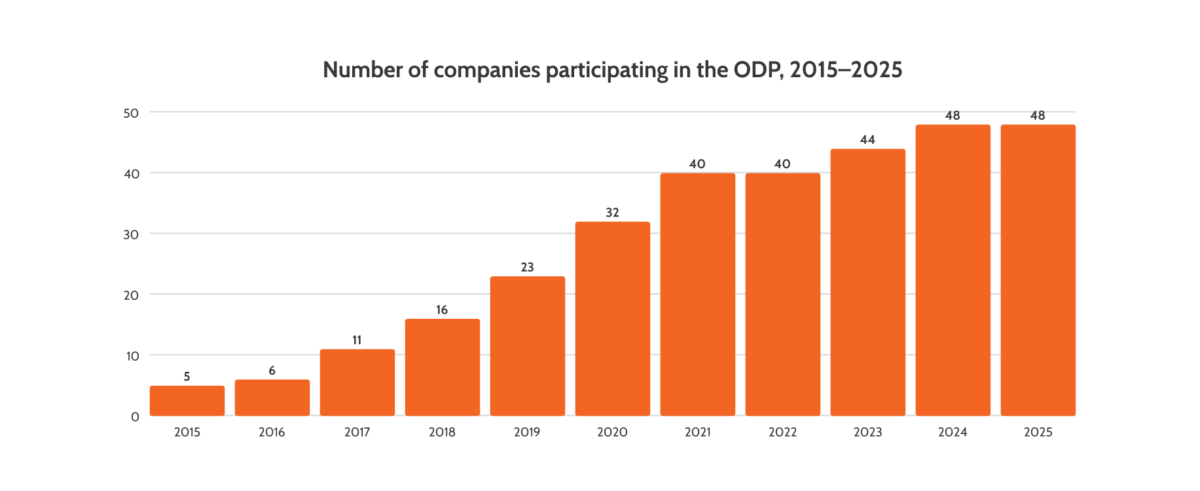
Total number of companies that have participated in the ODP by year, as of December 2025.
Where participants are located
The regional distribution of companies participating in the ODP has centered on the United Kingdom and the United States, reflecting the project’s initial UK-based financial support and the early involvement of SFP’s partners. However, the project’s global reach continues to broaden, notably extending into Asian markets through the participation of industry leaders such as Thai Union.
Europe
UK & Ireland: 13
France: 2
Norway: 3
Switzerland: 3
Faroe Islands: 1
Spain: 1
North America
USA: 16
Canada: 5
Oceania
Australia: 1
Asia
Thailand: 1
Vietnam: 1
(The profile for the Global Squid Supply Chain Roundtable is not included here, as it relates to multiple companies operating in different countries.)
Supporting accountability
The ODP profiles form part of a company’s corporate sustainability reporting for seafood, with participating companies frequently highlighting their participation in their annual sustainability reports and on their sustainability webpages. Companies find participation to be a useful way to demonstrate their commitment to sustainability, share information internally, and communicate their sustainability performance and build trust with key stakeholders. When joining the ODP, many companies have highlighted its usefulness for sharing information with customers, consumers, and other stakeholders. Companies also identify participation as a helpful process for reviewing their sourcing data and the associated sustainability of their source fisheries and farmed seafood, and to help direct their efforts for improvements. Several companies have partnered with SFP to use their ODP data to inform bycatch audit reports.

Testimonials from ODP participants
Testimonials from other organizations
Since the early days of the ODP, other stakeholders, including leading global campaign groups and high-profile investors have publicly supported the ODP and encouraged companies to participate. Other organizations working toward transparency and corporate accountability have also shown their support for the project. Companies that participate in the ODP have been recognized for their good performance, with data from the ODP being used by other organizations to help assess and hold companies accountable. Projects and reports that have used the ODP profiles to assess companies include the World Benchmarking Alliance’s Seafood Stewardship Index, Planet Tracker’s Seafood Database, Seachoice’s Seafood Progress, Changing Market’s Fishing the Feed campaign, Greenpeace USA’s report Carting Away the Oceans, and Bloom’s report Willful Ignorance.
Supporting international efforts
The ODP supports the United Nations’ Sustainable Development Goals (SDGs), specifically Goal 14: Life Below Water. Disclosing their seafood sourcing through the ODP or other means represents one way in which businesses can contribute to the SDGs. Among other efforts, companies that commit to sourcing from more sustainable fisheries contribute to Target 14.4 to “effectively regulate harvesting and end overfishing, illegal, unreported and unregulated fishing and destructive fishing practices” by 2030. An ODP profile provides an assessment of whether that commitment is being fulfilled.
Acknowledgements
We are deeply appreciative of the essential funding provided to the Ocean Disclosure Project by:
2017-2020

2020-2022
Learn more about the ODP
For more information, or to participate in the Ocean Disclosure Project, contact our team.