Fisheries Governance & Livelihoods
Collaborative Fisheries Management
Effective collaboration can help rebuild fish stocks and secure the future of fisheries.
Healthy and productive fisheries benefit everyone. They provide reliable supplies for seafood businesses, nutritious and relatively low-carbon food for consumers, and economic opportunities for fishing communities. They also support healthy marine ecosystems and the wider benefits that oceans provide.
Governments have the primary responsibility for managing fisheries and protecting the health of fish stocks. However, fisheries are complex, and public authorities may face capacity, information, enforcement, or coordination constraints in addressing all fisheries effectively.
This is where collaboration across the seafood system can make a difference.
Collaborative fisheries management (CFM) is not about replacing government leadership or public authority. It is about strengthening government effectiveness by engaging fishers, fishing communities, companies, and other supply-chain actors as active partners in improving fisheries governance.
Those who depend on and benefit from fisheries have an important role to play in sustaining them. Fishers and fishing organizations can contribute local knowledge, data, compliance, and collective action. Companies and other value-chain actors can support better practices, transparency, traceability, sustainable financing, and implementation. By aligning commercial interests with public sustainability objectives, collaborative fisheries management can help secure healthier fisheries, resilient communities, and long-term supply.
How industry can support fisheries abundance
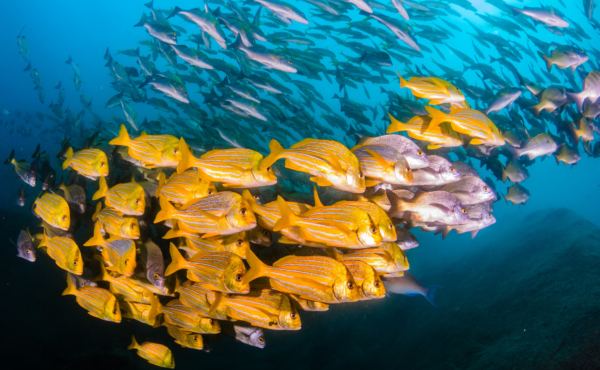
Help count fish
Help count fish
Accurate and up-to-date stock assessments are the most important part of developing a sustainable management plan. Seafood businesses can support scientists in gathering and analyzing data on global fish stocks.

Help regulate fisheries
Help regulate fisheries
Effective management doesn’t end with writing good regulations. While governments set the rules, lasting solutions require active support and participation from fishers, producers, processors, and distributors.
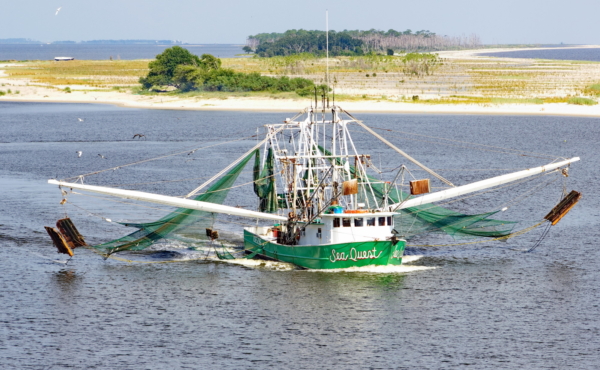
Help improve compliance
Help improve compliance
This is where the top of the supply chain can help, by setting sustainability strategies and policies that require transparency, monitoring, and the avoidance of illegal fishing.
Collaboration is critical
Effective fisheries management requires collaboration among fishers, fishing organizations, value chain companies, governments, and other stakeholders. Because fisheries challenges often require action before formal management systems are fully in place, those who depend on and benefit from fisheries can help advance practical solutions. By working proactively and in support of public authorities, stakeholders can contribute data, local knowledge, improved practices, and resources to strengthen management and help secure healthy fisheries and resilient fishing communities.
SFP fosters collaboration and provides critical resources to industry.
Collaborative fisheries management is already taking place in fisheries around the world. SFP works with fishers, fishing organizations, governments, companies, and other stakeholders to strengthen and scale these efforts, supporting practical management approaches that improve fisheries performance, livelihoods, and ecosystem health.
- We support stakeholders to develop better practices, strengthen data and accountability, and improve fisheries resilience.
- We connect actors across the seafood system to share knowledge, coordinate action, and align efforts with national management frameworks.
- We provide technical assistance, support policy development, and help companies make credible commitments to responsible sourcing.
Together, these efforts can help secure fisheries that are economically viable, environmentally sustainable, and capable of supporting resilient coastal communities over the long term.
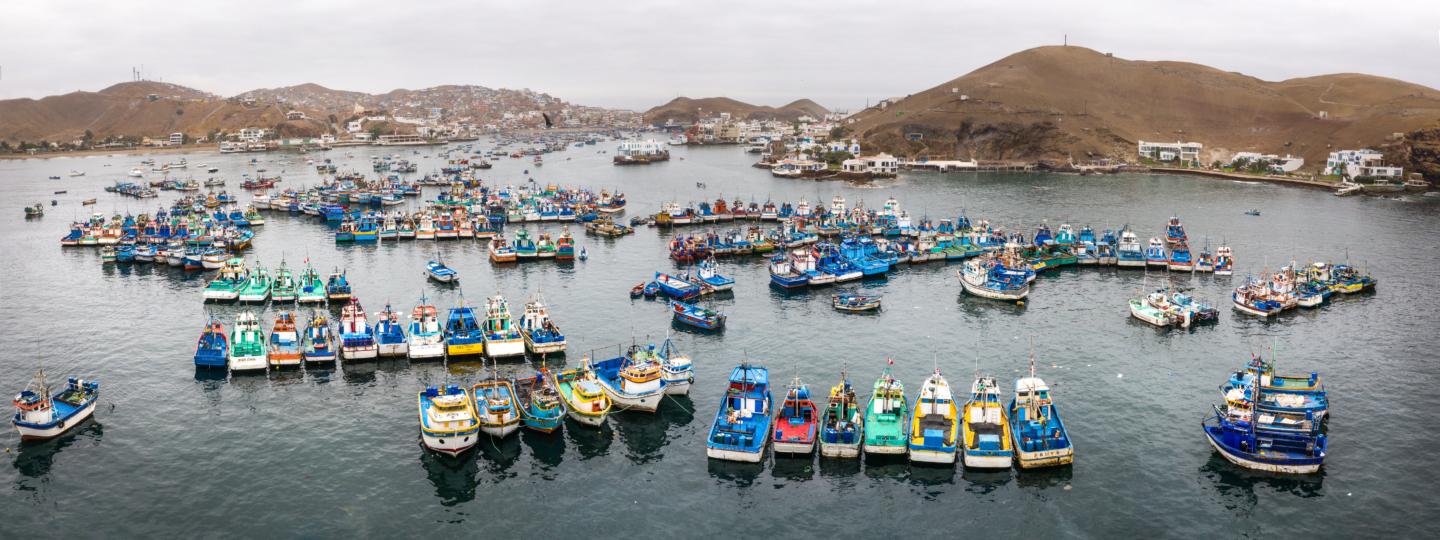
Help us ensure a future of abundant fisheries
Contact SFP to learn more about how your company can take action to ensure that there are plenty of fish in the sea.