
Impact Stories
Listen to the science: Relying on collaboration and data collection to rescue Canada’s Northern cod fishery
Decades of collaboration among industry, government, scientific institutions, and NGOs brought an iconic fishery back from catastrophic collapse in a globally recognized example of science-driven fishery rebuilding.
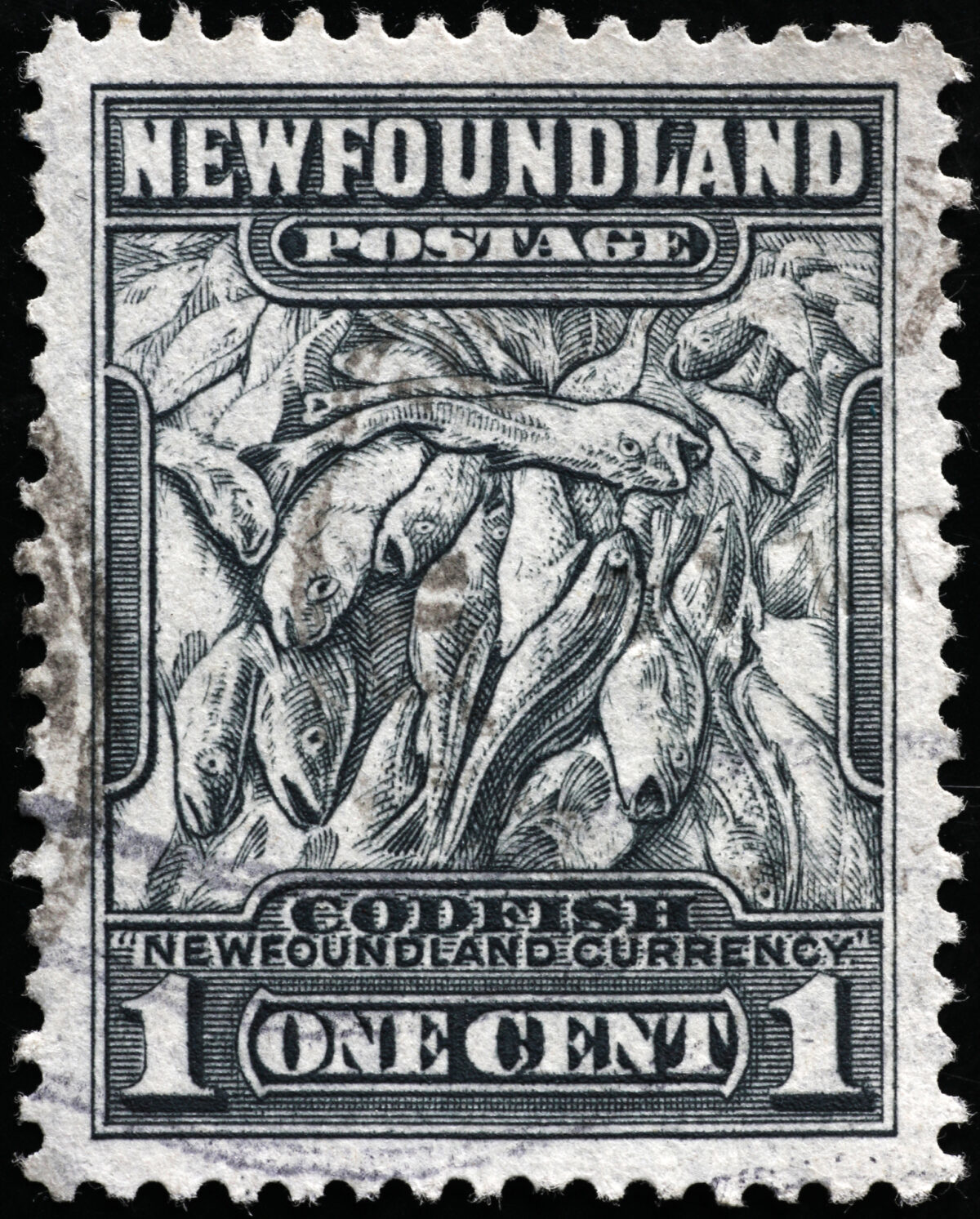
Canada’s Northern cod fishery, off the north and east coasts of Newfoundland and Labrador, was once one of the largest fisheries in the world, providing food, jobs, and a way of life for hundreds of years. But in the late 1980s, excessive levels of fishing, driven by new technologies and management errors, dangerously depleted the fishery. In 1992, the fishery collapsed completely, and the Canadian government instituted a nearly complete moratorium, with just a small amount of catch allowed for “sentinel” and “stewardship” fisheries.
A few years later, in the 1990s, as the stock showed some signs of recovery, a small fishery reopened based on some isolated observations of abundance in the inshore. However, further data revealed the stock was still below critical levels, and commercial fishing was halted again. The stock then stayed depleted, with little sign of recovery for over a decade.
By 2010, the population of cod again showed some signs of rebuilding. SFP began building a coalition of stakeholders who would commit funds and time to improve monitoring, strengthen the science to answer key questions, and reduce uncertainty. We also wanted to ensure that the fishery would only open when it was in line with precautionary best practices. We found amazing local industry leaders who were already aligned with these aims and eager to see the fish stocks rebuild and the fishery reopen slowly and carefully, in line with the best possible science. After nearly 15 years of data collection, cooperation, and patience, these efforts paid off, and the Canadian government reopened the fishery in 2024.
A timeline of collaboration in Canada’s Northern Cod fishery
Bringing stakeholders together
2010: SFP convenes a meeting of global whitefish industry CEOs and begins discussions with environmental NGOs in Canada and the Canadian Department of Fisheries and Oceans (DFO). Building off these discussions, stakeholders start developing a fishery improvement project (FIP) for Northern cod, marking the beginning of structured industry-led recovery efforts.
2011: SFP establishes the Northwest Atlantic Cod Supply Chain Roundtable (SR), bringing together major U.S. and Canadian buyers, processors, and suppliers of cod to monitor cod stocks and push for improvements. The SR tracks stock status, coordinates sustainability actions, and maintains buyer pressure for science-based management, aligning its industry members around the idea that any reopening should be tied to verified stock recovery. The SR is active until 2020, coordinating industry actions and tracking sustainability progress.
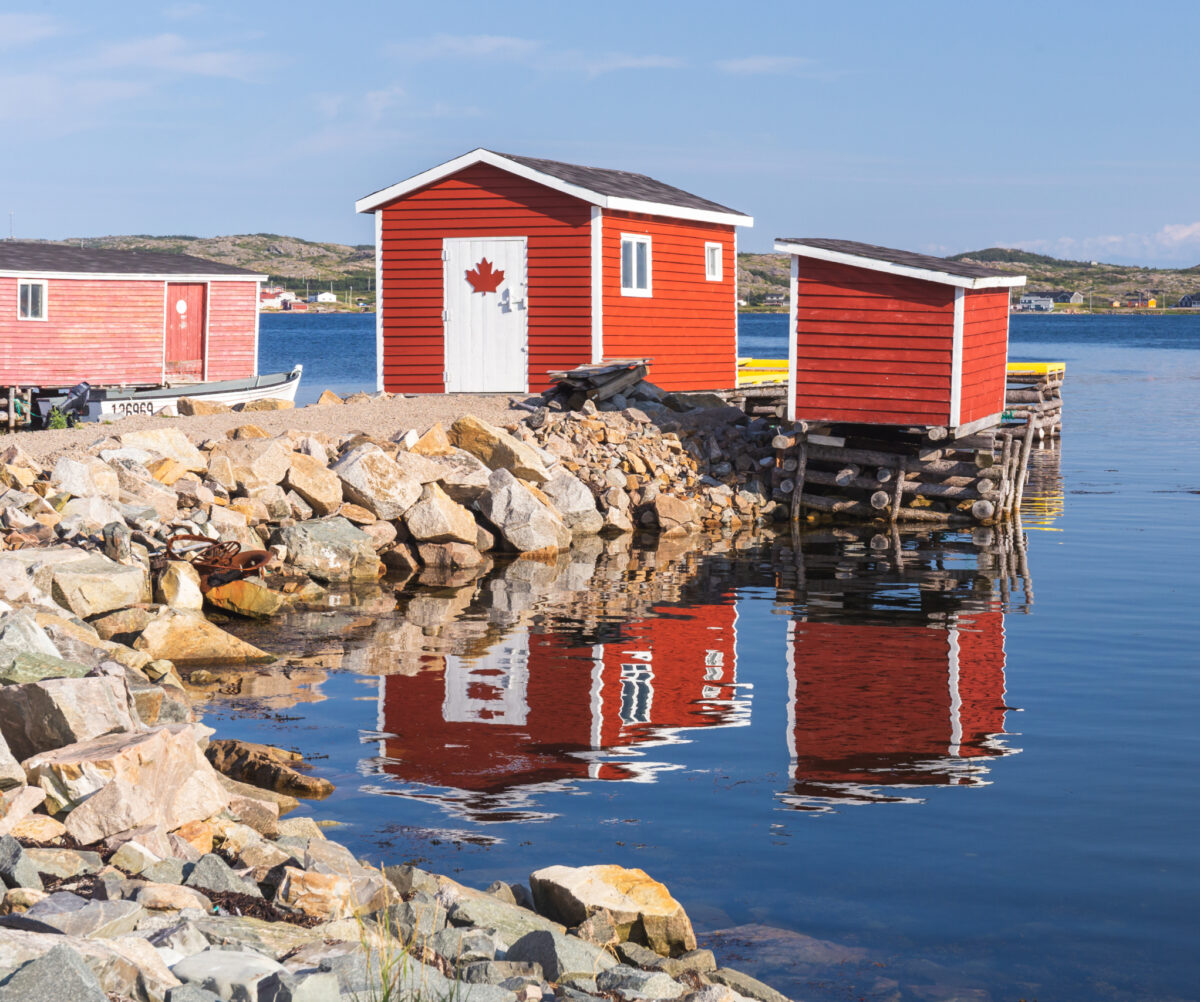
Launching industry-led improvement efforts
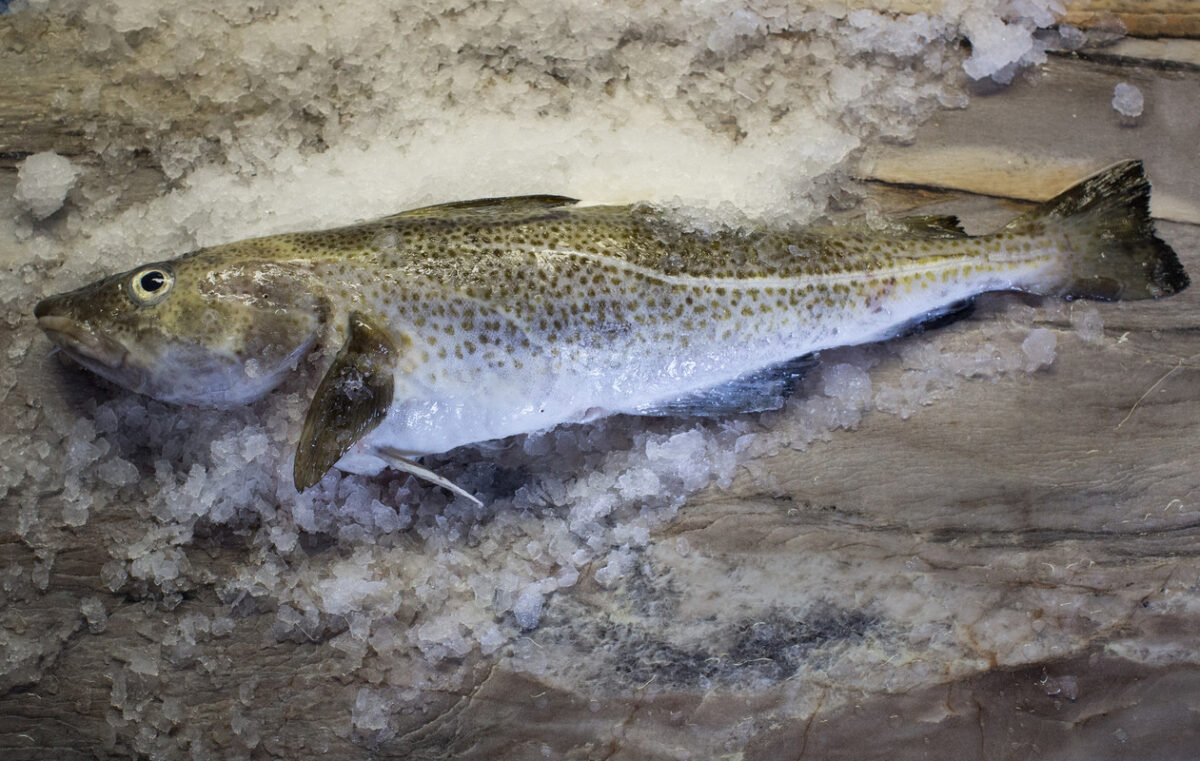
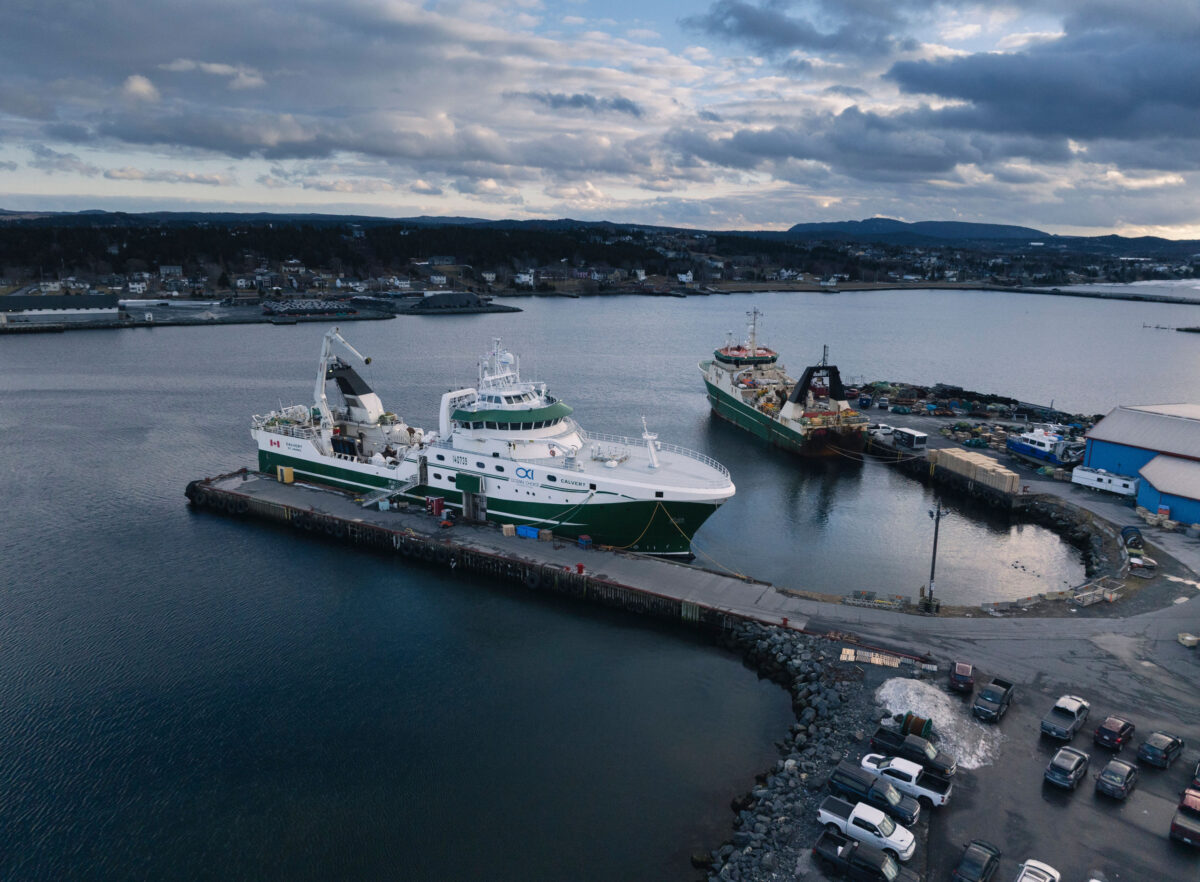
2015: The industry-led Canada Atlantic cod (2J3KL) – longline/trawl/gillnet/hook & line FIP is launched. The FIP, which is hosted by the Atlantic Groundfish Council (AGC) and led by AGC, Icewater, and Ocean Choice (OCI) is focused on gathering and contributing new science to improve understanding of the stock and ensuring that the fishery is not reopened too early or too fast. SFP plays a supporting role in structuring the FIP, connecting supply chain actors, and assisting implementation.
The FIP participants commission extensive data collection to strengthen stock assessments and work with regulators to develop fisheries management plans for the fishery, with an eye toward ensuring a science-based and precautionary reopening of the fishery one day.
Scaling-up scientific data collection efforts
2019: The Northern Cod FIP, along with AGC and the Association of Seafood Producers (ASP) launches an initiative to tag and track cod in the fishery, to increase data and understanding about distribution, migration patterns, and genetics of the cod stock. SFP participates in oversight and coordination of the monitoring efforts and continues to work to align science and market expectations.
2019: Canada adopts a new Fisheries Act, which for the first time requires rebuilding plans for overfished stocks. Various domestic Canadian NGOs worked in a range of ways to support this outcome (SFP was not involved).
2021-23: The FIP scales up its research even further, deploying a world-class, large-scale monitoring system and expanding genetic and ecosystem studies. More than 1,000 cod are tagged as part of the survey project, which includes a 700-km acoustic detection array with 75 receiver stations. These multi-million-dollar investments significantly improve knowledge about stock structure and migration and contribute to improving the stock assessment.
2023: Canada adds older years of data to its analyses of the amount of adult fish needed to spawn above-average numbers of young fish (the “lower limit reference point” or LRP). The addition of this data fills key gaps and results in a lowering of the LRP which, together with assessment results showing the stock rebuilding, leads Canada’s DFO to move the Northern cod stock out of the “critical zone.”
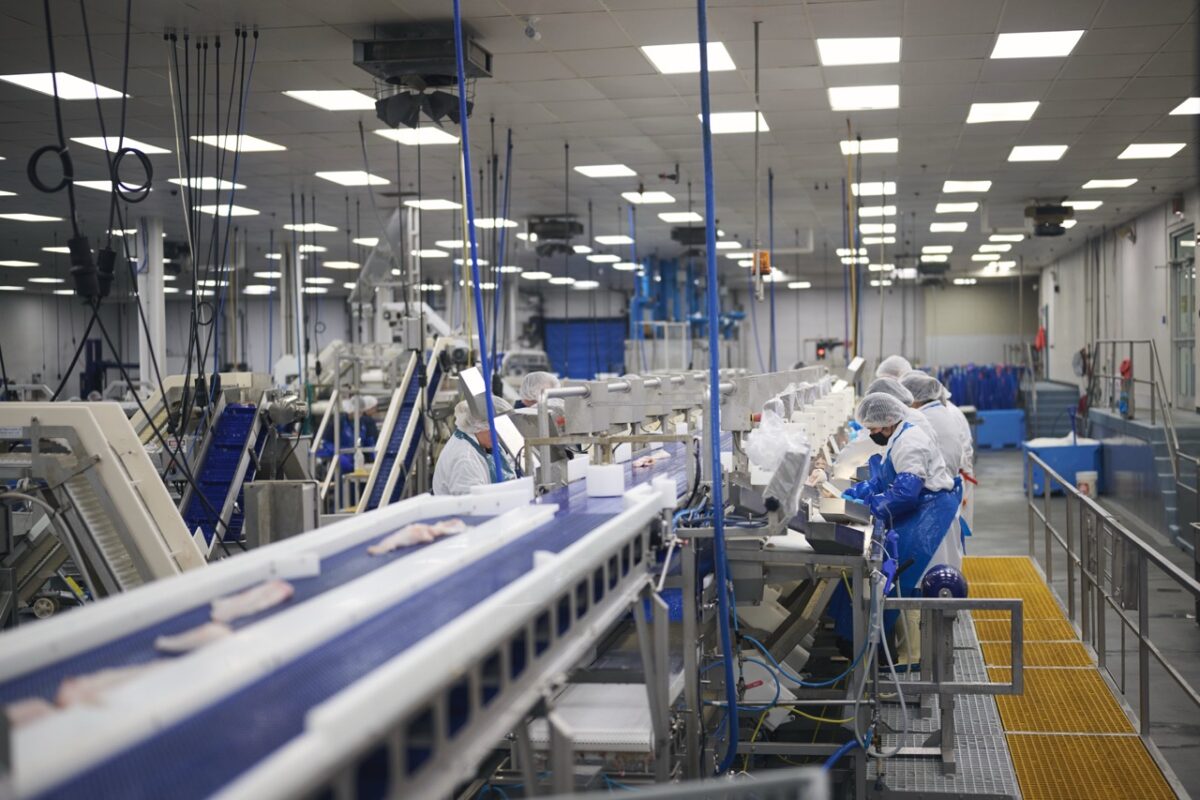
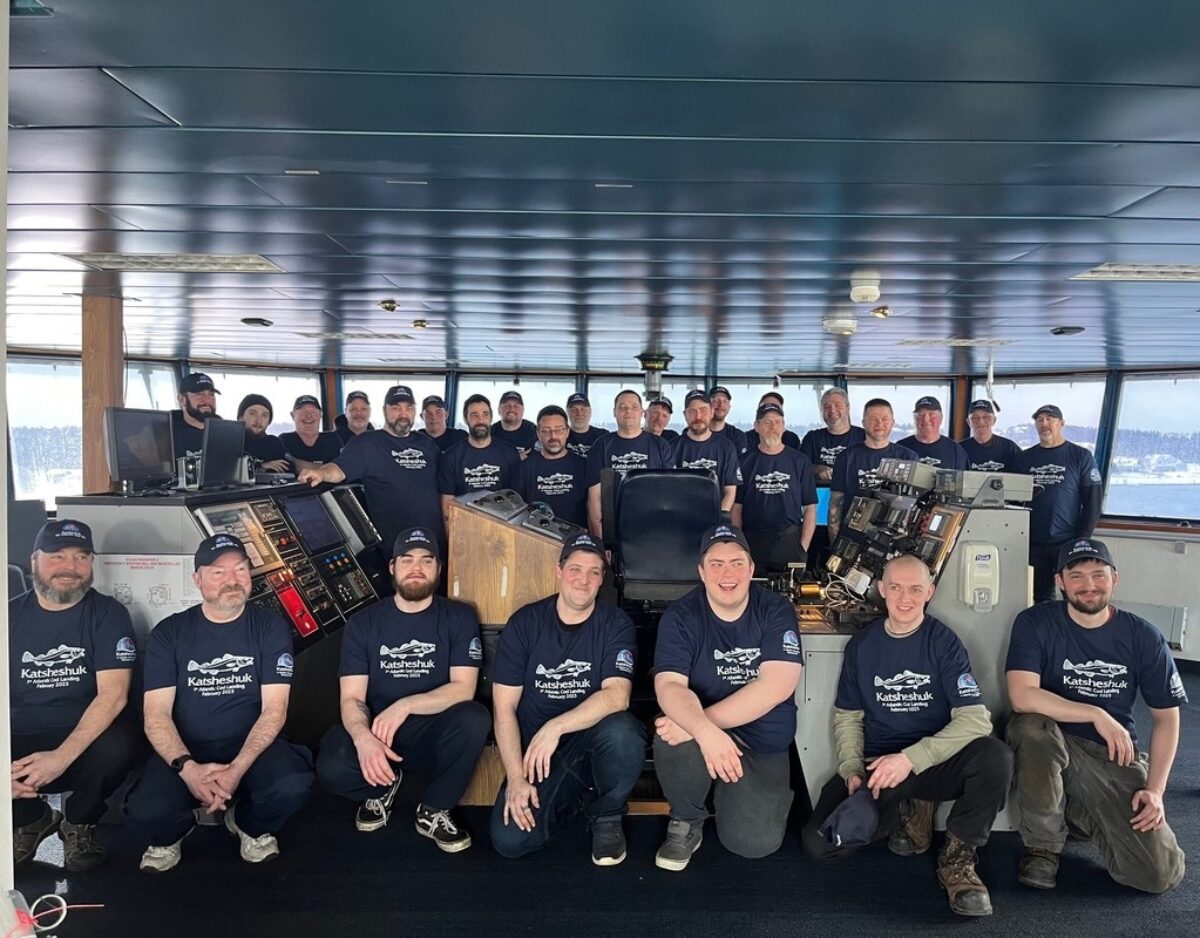
Crew members of Ocean Choice International’s vessel Katsheshuk II, after completing the first offshore Northern cod trip following the end of the moratorium in 2024.
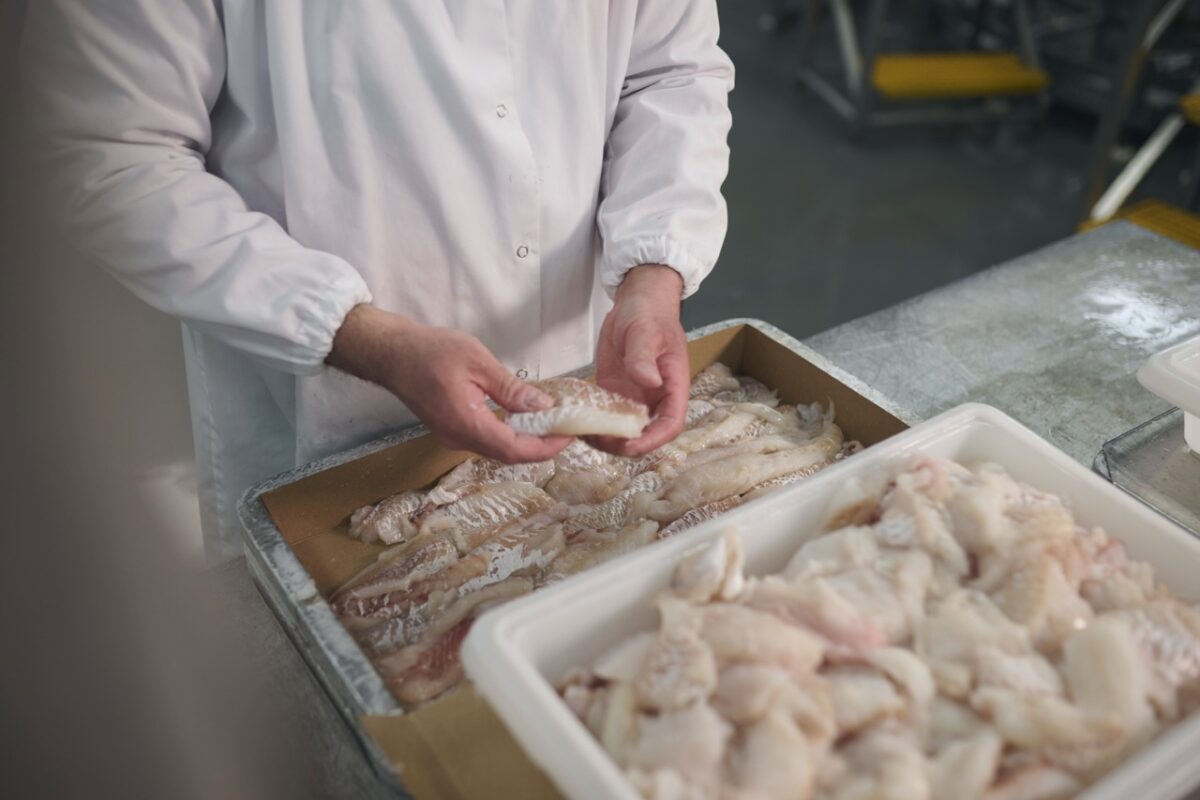
April 2024: SFP meets with other FIP stakeholders before Seafood Expo Global in Barcelona to discuss the ongoing project and the prospects for reopening. The participants reaffirm their commitment to reopening the fishery slowly, in line with best practices and following the best available science.
June 2024: More than 30 years after the initial closure, the Canadian government reopens the Northern cod fishery, beyond the stewardship fishery for inshore vessels. In keeping with the science-based process that characterized the recovery process and to avoid overfishing that might jeopardize the stock, the government sets the total allowable catch (TAC) at 18,000 tonnes, a level that is low relative to the stock size. However, stock status is still around one-third of the maximum historical level estimates from the 1970s.
2025: Assessment results released by Canada’s DFO show that Northern cod now has the second-largest spawning stock biomass of any Atlantic cod stock. DFO and stakeholders are now working to define the target stock level that will support a highly productive long-term fishery. Stakeholders also begin work on the rules to guide quota decisions at different levels of stock biomass (the “harvest control rule” or HCR). SFP continues to work with AGC to review this work and help make TAC recommendations. FIP participants continue to coordinate to monitor the stock and evaluate its response to fishing pressure.
2026: The stock assessment shows continuing rebuilding of the stock, healthy recruitment of young fish, and increased prey (capelin) abundance. The adult Northern cod stock size is estimated as larger than the other main cod stocks (Iceland and the Barents Sea).
The FIP announces plans to enter MSC Full Assessment. The FIP transitions into a long-term sustainability and management phase that will include continued acoustic tracking and research, maintenance and upgrading of monitoring systems, and expansion of genetic and ecosystem studies. Priorities for the participants include ensuring that the fishery remains within sustainability limits and strengthening management frameworks, including ongoing work to define the TRP.
A note to the Northern cod catch sector
Our CEO and founder, Jim Cannon, started his career in sustainable fisheries and oceans by researching cod fisheries management in the 1990s. Jim wrote the following in a recent blog looking to the future of the Northern cod fishery:
SFP congratulates industry leaders and all others involved in the successes to date rebuilding Northern cod. SFP remains committed to supporting the continued rebuilding of this world-famous fish stock. In particular, our focus will be on maintaining and expanding the industry alliance that has played a critical role in the rebuilding and reopening of the fishery. That alliance stretches all the way from the catchers on the seas of Canada, through their coastal processors, to the seafood distributors and grocery stores of the UK, France, and other key markets.
Maintaining and expanding that alliance will help the fishery complete outstanding tasks, like developing a Harvest Control Rule (HCR), and set the fishery up to navigate other challenges that will inevitably emerge at different times in the future to threaten the fishery. Continued vigilance and proactive inputs from the entire seafood supply chain will help ensure the science continues to be world-leading, and that best-practice responses continue to be applied. This is our best bet to ensure abundant cod for the future.
One final observation. The mainstream media have so far largely failed to report this good news story. But you can be sure that when the stock does decline again at some point in the future, voices will accuse the industry of overfishing and causing the decline, and – because of the infamous 1990s collapse – the media will report that bad news, instantly and loudly, worldwide.
At that time, it is essential that the local industry can point to a strong public track record, not only of excellent compliance with the rules, but also of proactive collaboration in fisheries management, sharing data to help scientists assess the fishery, working with local environmental NGOs, and collaborating with regulators to secure best practice management and precaution in setting quotas. It is also essential that retailers in distant markets are aware of all that work, and can respond rapidly and substantively, communicating to their customers and helping to push back on inaccurate narratives.
The alliance we have helped create over the past 15 years, and aim to continue, will be critical in helping customers assure their consumers and investors that the cod stock is back, for good.