Protecting Ocean Wildlife
Protecting Whales
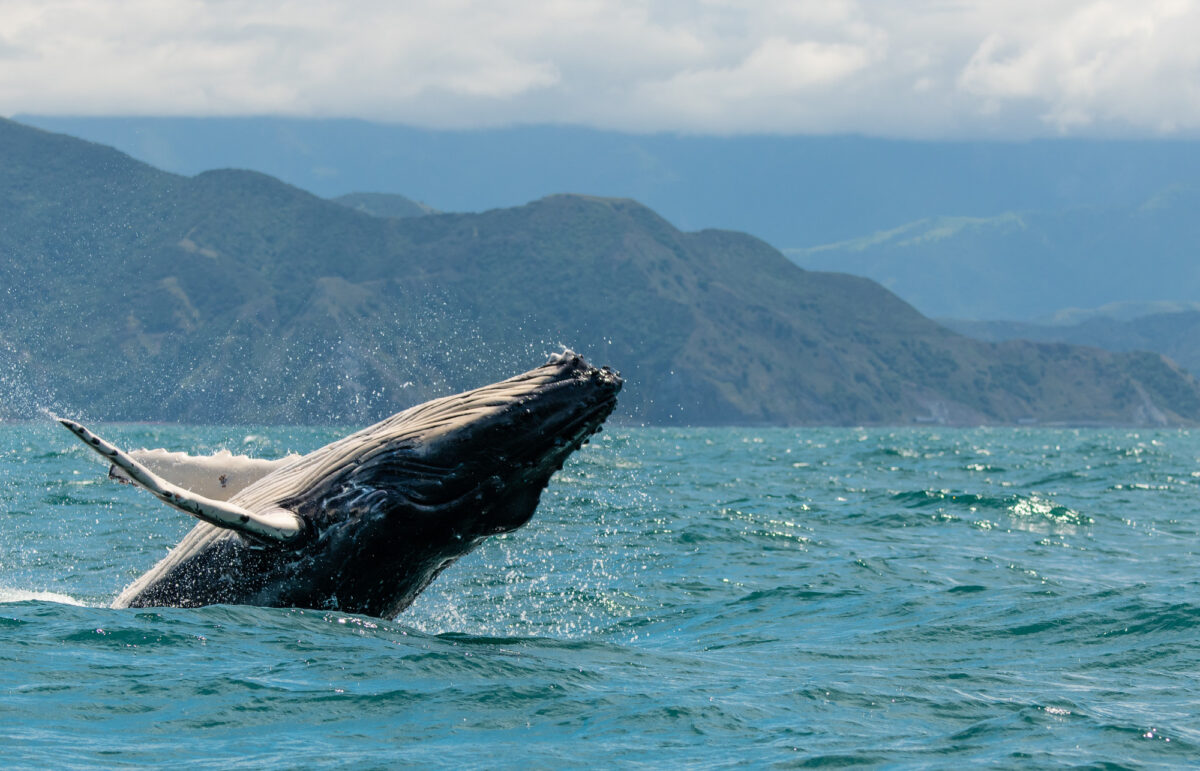
Whales play a critical role in maintaining ocean health and supporting marine ecosystems – but they are highly vulnerable to entanglement and in fishing gear and injury from ship strikes.
As a keystone species, whales help sustain the marine food web that supports ocean life worldwide. Through a vital natural process known as the “whale pump” or “the poop loop,” whales fertilize the ocean with their nutrient-rich waste, which stimulates the growth of phytoplankton, feeding the marine food web for all marine species. Phytoplankton contributes roughly 50% of the world’s oxygen production, making whales essential not only to ocean ecosystems, but also to the health of the planet. Additionally, whales absorb significant amounts of atmospheric carbon dioxide, helping to fight climate change. One whale can remove up to 33 tons of carbon from the atmosphere per year (in comparison, a tree removes 40 to 50 tons per year).
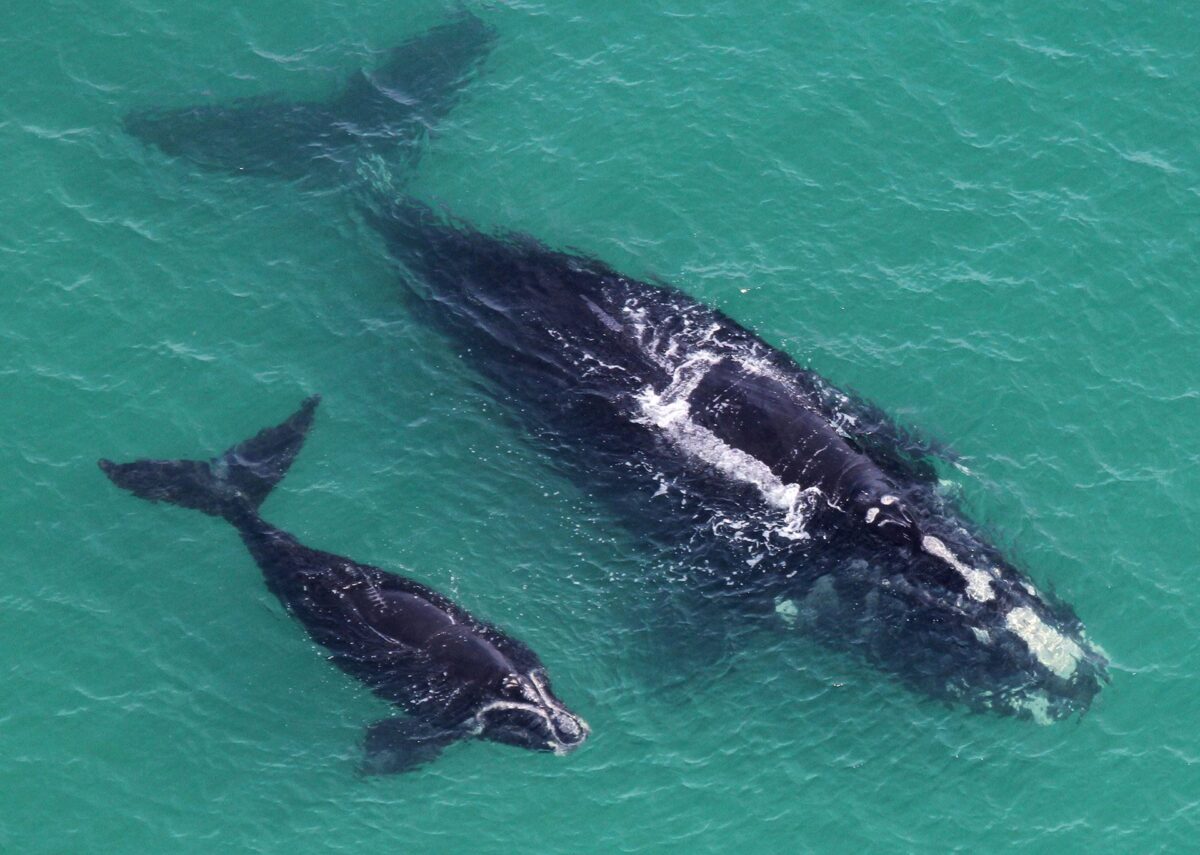
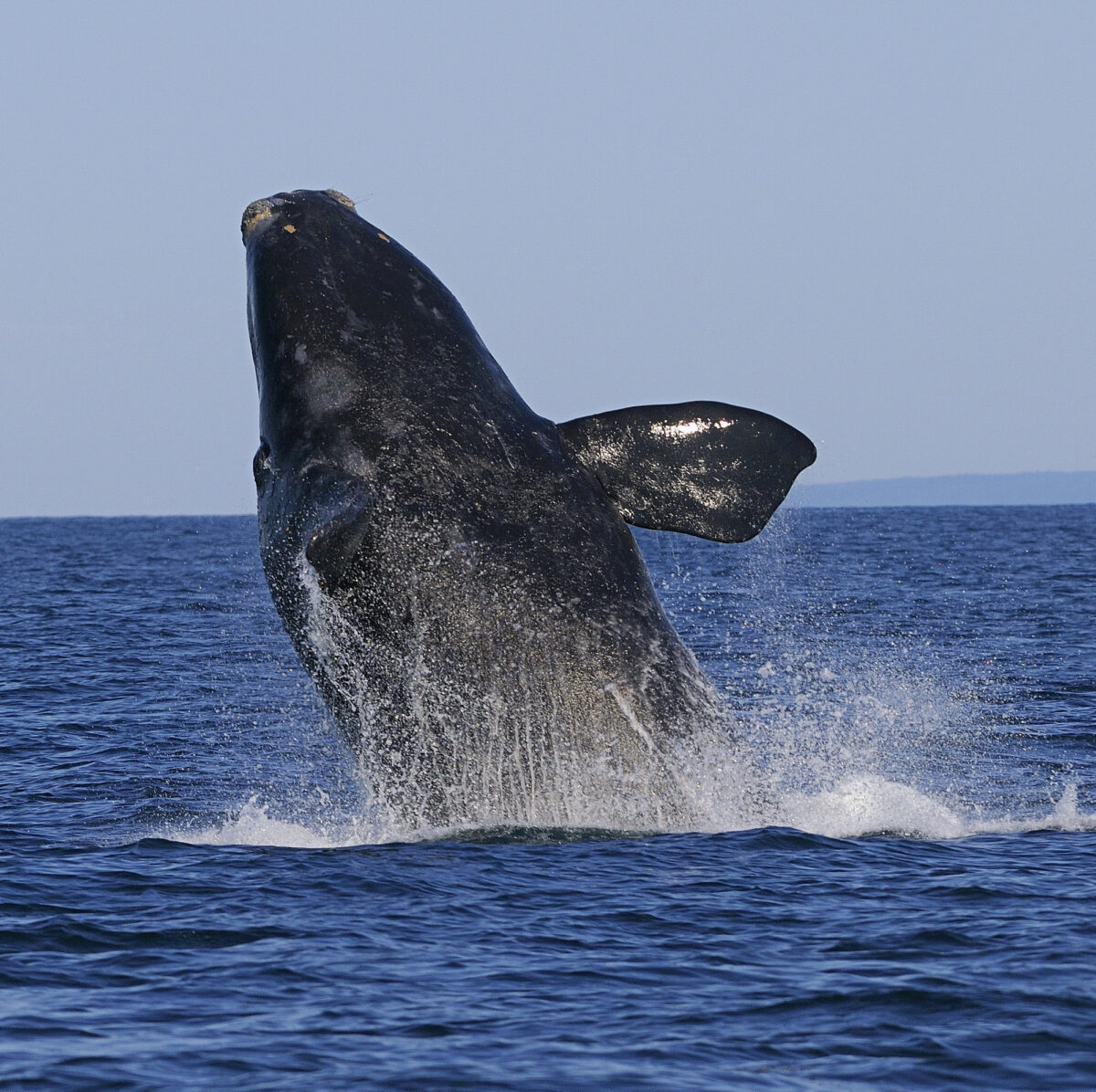
Conservation efforts to protect whales and other marine mammals continue to face great difficulties and have managed only marginal improvements over time. This is particularly notable in the plight of the North Atlantic right whales (NARWs), one of the most endangered whales in the world. With fewer than 400 individuals left, NARWs are often referred to the “canary in the coal mine” when discussing ecosystem health. Entanglement in fishing gear and ship strikes are the two main causes of death for these whales, with 65 percent of all NARWs showing scars and other signs of entanglement. This has driven increased efforts to find solutions to reduce entanglements of whales and other protected marine species in fishing gear while still allowing fishing practices to remain in place.
Mitigation efforts in the US and Canadian pot and trap fisheries, specifically lobster and crab, have focused on on-demand fishing gear, which replaces the static vertical line to the surface buoy – the primary threat of entanglement – with a rope contained on the ocean floor until it is released by a remote mechanism to surface “on demand.”
A primary driving force behind the use of on-demand gear are fishery area closures by government officials when whales are present. On-demand gear can allow for continued fishing in closed areas while also protecting whales and other vulnerable species. Other measures to reduce entanglements, such as gear marking, weak links, and weak rope, are also commonly used worldwide, but may not be as effective in preventing entanglements. Additionally, as on-demand gear is enabled with GPS and interoperability technology, it offers a range of benefits beyond reducing whale entanglement, including reduced gear loss and theft, lower fuel costs, shorter trips, and the collection of valuable scientific data, such as bottom temperatures and sea state.
Projects that protect whales
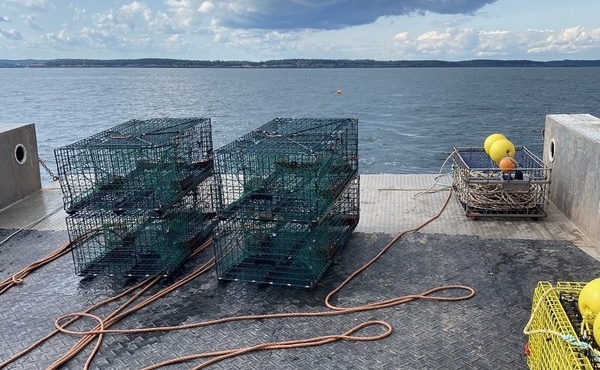
Gear innovation
Gear innovation
Transitioning to on-demand gear can protect whales while also ensuring a sustainable future for lobster and crab fisheries.
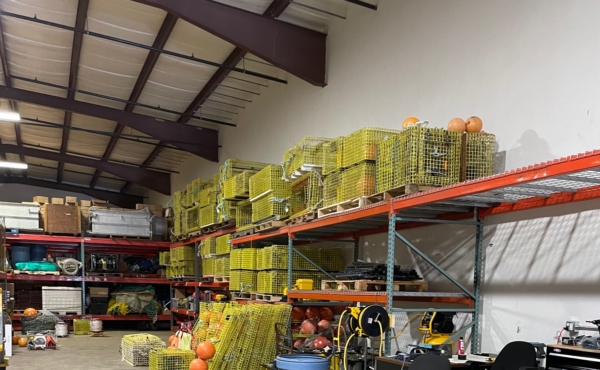
Whale-safe gear innovation in pot and trap fisheries
Whale-safe gear innovation in pot and trap fisheries
Learn more about gear-lending libraries and other projects that are using on-demand gear to reduce threats to whales on SFP’s Bycatch Solutions Hub.
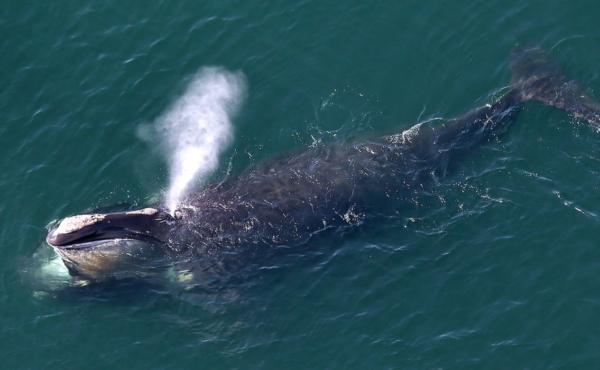
Advancing Technologies for North Atlantic Right Whale Recovery
Advancing Technologies for North Atlantic Right Whale Recovery
Learn more about how NOAA Fisheries is working with partners to invest in and promote technologies that reduce threats to NARWs.
Help protect whales in commercial fisheries
Email SFP’s Protecting Ocean Wildlife team to learn more about our work and see how you can help.