
SFP in Boston
Seafood Expo North America 2026
See all the highlights from our three days in Boston at Seafood Expo North America 2026.
SFP and Wholechain agree to collaborate on strengthening supply chain transparency
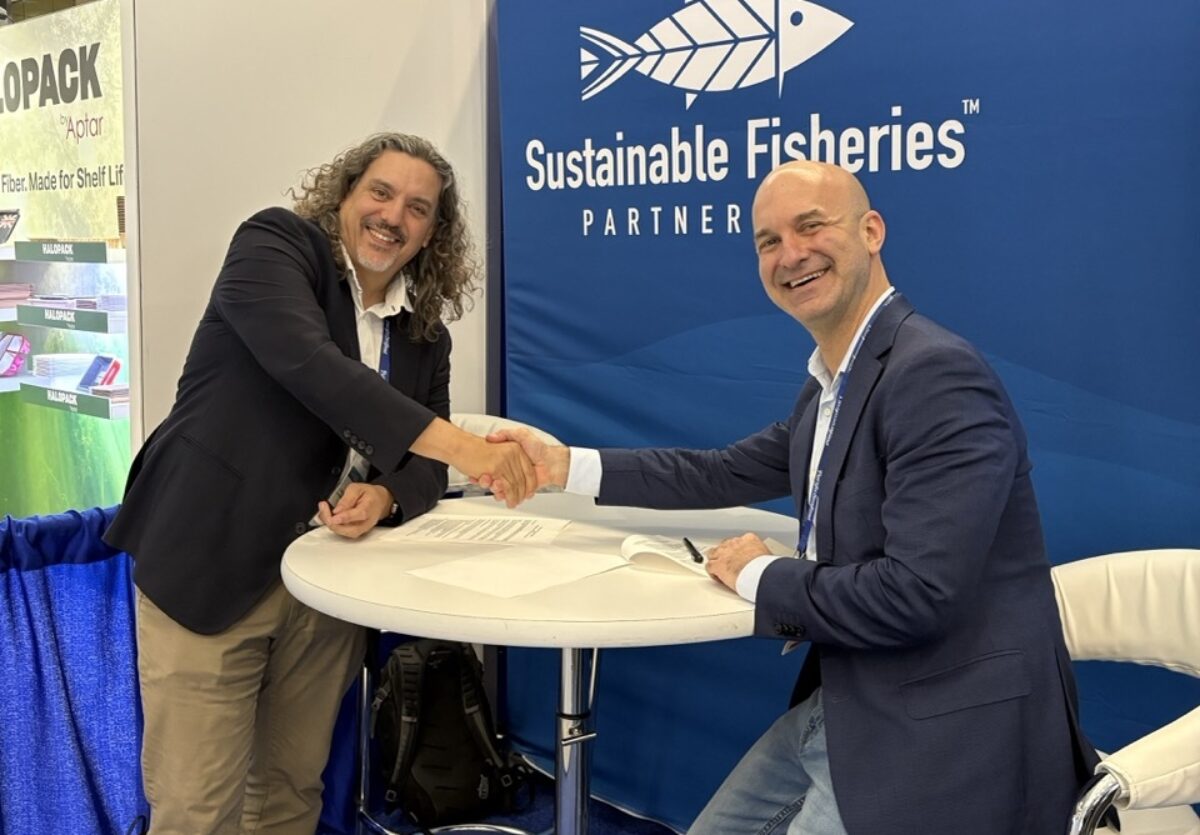
SFP Chief Executive Officer Jim Cannon and Wholechain founder Mark Kaplan signed an MoU on the first day of the Expo, committing to collaborate on traceability and analytics solutions to help the seafood supply chain identify harvest sources and understand sustainability risks. The two organizations will combine Wholechain’s events-based traceability system with analysis and insights from SFP’s Seafood Metrics system to provide customers with end-to-end source information on seafood, backed by a trusted decision-support tool.
Innovative gear panel highlights importance of fisher involvement
In a panel hosted by SFP, participants all agreed that involving fishermen in the conversation is key for successful development and implementation of innovative gears that reduce bycatch in wild-capture fisheries. The panelists also discussed the importance of giving fishers incentives to use best practices and involving regulatory agencies such as regional fisheries management organizations (RFMOs) in the development and testing of innovative gear.
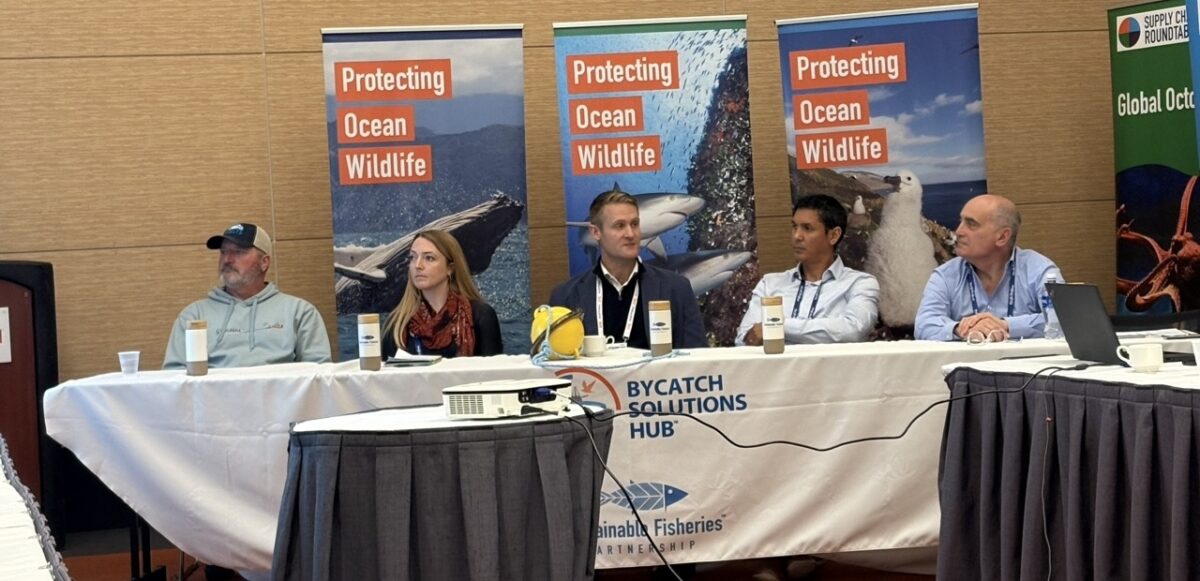
(L-R) Kevin Rand, SMELTS; Meghan Martin, The Nature Conservancy; Ryan Lind, Blue Ocean Gear; Teddy Escarabay, SFP Latin American Fisheries Director; Michael Cohen, International Seafood Sustainability Foundation
Ghost gear panelists discuss benefits for ecosystems and fishers
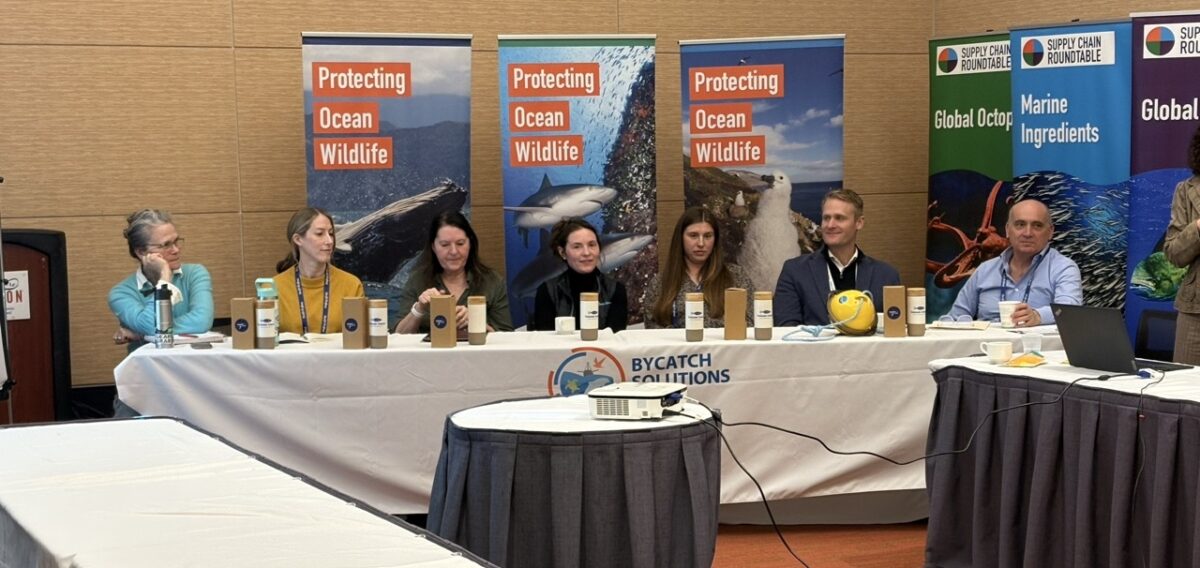
(L-R) Laura Ludwig, Center for Coastal Studies; Francine Kershaw, Natural Resources Defense Council; Susan Inglis, Commercial Fisheries Research Foundation; Emma Weed, Gulf of Maine Lobster Foundation; Caitlin Townsend, Net Your Problem/third-generation fisher; Ryan Lind, Blue Ocean Gear; Michael Cohen, International Seafood Sustainability Foundation
Addressing the problem of ghost gear (lost or abandoned fishing gear) can reduce risks to wildlife and ecosystems and also provide important economic benefits to fishers, participants in an SFP panel on ghost gear challenges and solutions agreed. The panelists discussed the importance of working closely with local communities, governments, and fishers to find and remove derelict gear quickly and safely. They also talked about the importance of changing state regulations that make it illegal for fishermen to have someone else’s gear on their boats, meaning that, if they pull up lost or broken gear that is not theirs, they have to throw it back.
Tuna Transparency Science Fair showcases practical solutions
NGOs should support companies that are willing to make transparency commitments and help them meet their goals, panelists at our first-ever Tuna Transparency Science Fair said. The six panelists represented a range of NGOs that have tools to help illuminate activities at sea, so that companies can better monitor and verify key happenings throughout their first-mile supply chain operations.
Following the panel, the room transformed into the Science Fair portion of the event, allowing participants to interact with representatives from various organizations and learn firsthand about the solutions they have to offer. Exhibitors included FishWise, Global Fishing Watch, New England Marine Monitoring, Ocean Outcomes, the Seabird Safe Toolkit, The Nature Conservancy, and SFP’s Tuna Sustainability Dashboard.
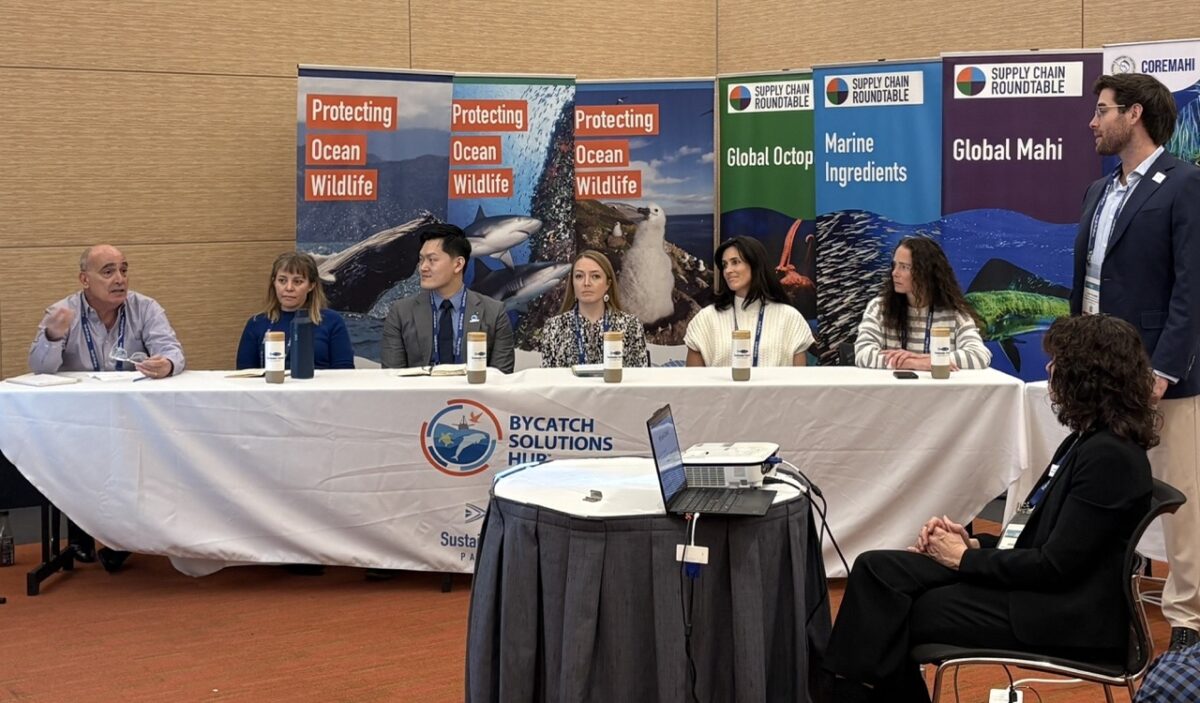
(L-R) Michael Cohen, International Seafood Sustainability Foundation; Leah Buckley, Global Fishing Watch; Ho-Tu Chiang, Ocean Outcomes; Meghan Martin, The Nature Conservancy; Michelle Beritzhoff-Law, FishWise; Alexia Morgan, SFP Protecting Ocean Wildlife Manager, and session moderator Cody Pajunen, SFP Fisheries Policy and Information Analyst
Landscape aquaculture panelists highlight need for broad-scale action
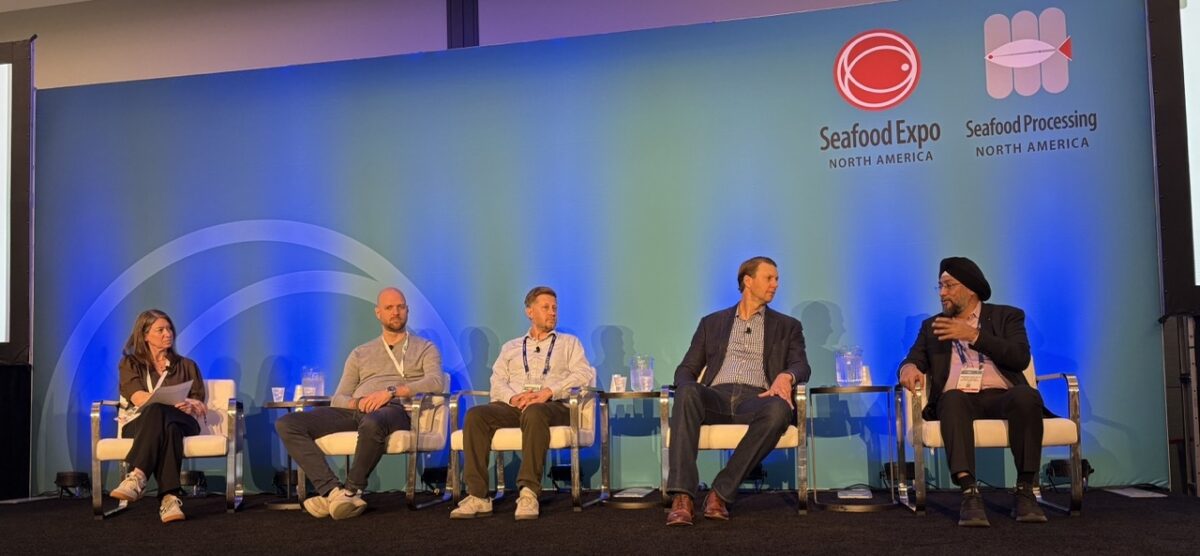
(L-R) Jill Swasey, ASC Director of Impacts; Roy van Daatselaar, ASC Improver Programme Global Lead; Brad Spear, SFP Prospecting and Engagement Director; Blake Stok, Senior Director of Sustainability for Thai Union’s Global Frozen Business; Sarabpreet Singh, General Manager of Devi Seafoods
At a conference panel, participants discussed practical next steps for scaling-up landscape aquaculture, building on shared experiences of moving from farm-by-farm certification to area-wide transformation in Andra Pradesh, India. SFP and the Aquaculture Stewardship Council (ASC) have been collaborating for more than two years in the region, working with local stakeholders to understand shared challenges and opportunities and build a Roadmap for landscape-level improvements. The panelists touched on the value of the landscape approach in addressing shared risks that a farm-by-farm approach cannot, benefits for the entire supply chain, the value of participation by the shrimp industry in decision making, education and awareness-raising at all levels of the supply chain, and the role of governments in supporting landscape aquaculture.
Supply Chain Roundtables roundup
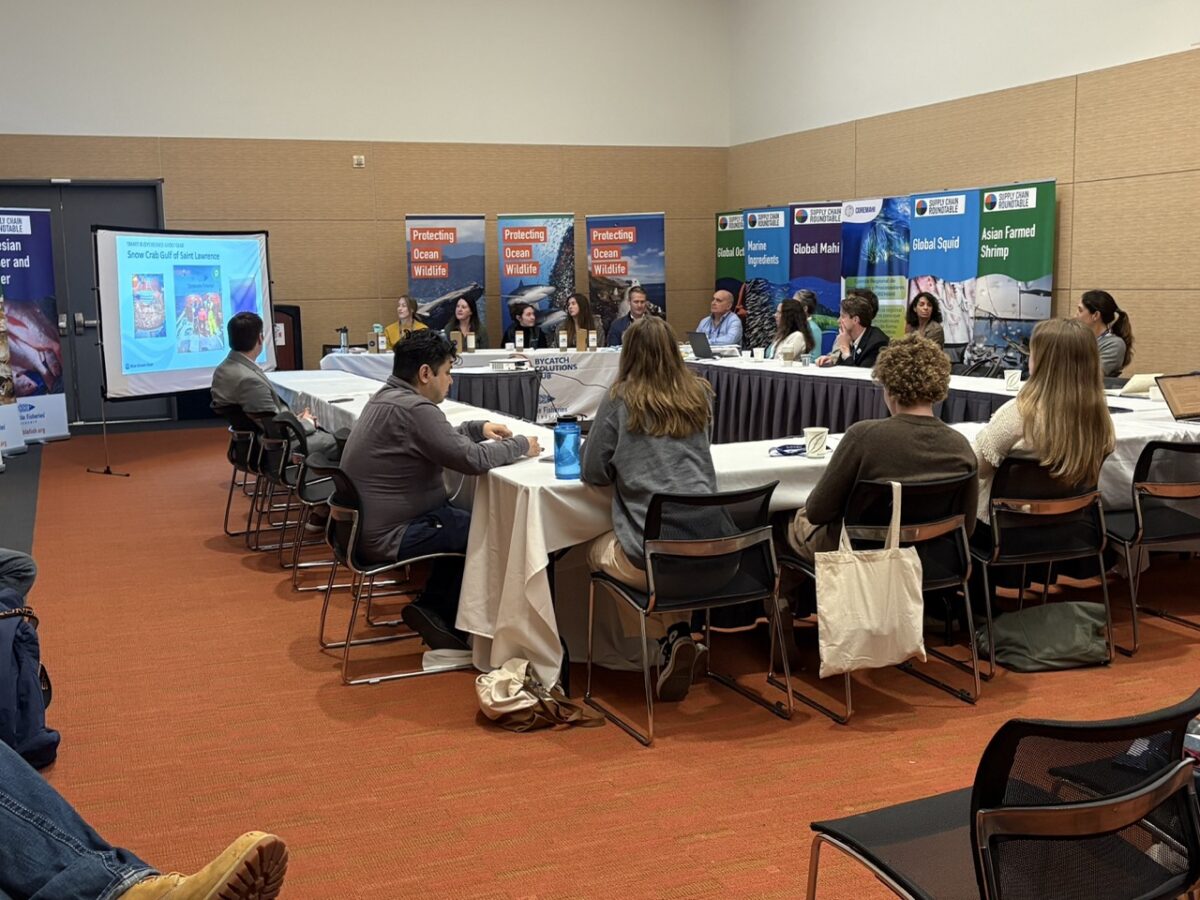
The Global Mahi SR discussed its budget and workplan and also received briefings on the work that COREMAHI (the Regional Committee of Mahi-mahi Producers and Processors) is doing to improve regional management for Eastern Pacific Ocean mahi and the SR and Publix co-funded Ocean Allies program, which works with small-scale mahi fishers to improve their handling, release, and reporting of endangered, threatened, and protected species bycatch.
The Global Squid SR heard about the key findings of the upcoming Ilex traceability report and SR progress report. Participants also discussed their new SR strategy, which will focus on squid governance and responsible value chains.
The Indonesian Snapper and Grouper SR met to hear about the results of a fisher and vessel registration event they funded near Makassar, Indonesia. The participants also discussed the progress of the Indonesian national snapper and grouper FIP (ADI) and how they could best support the FIP’s work in the future.
The Mexican Snapper and Grouper SR participants reviewed the first year of implementation of the SR’s Sustainable Sourcing Policy, through which the U.S. importers are fostering a market for more sustainable products. They also discussed the good progress being made by snapper and grouper fishery improvement projects (FIPs) in Mexico and how the U.S. market can continue to support and drive further improvements.
The Asian Farmed Shrimp SR companies and SFP agreed to end the SR in its current form. Four of the participating companies are already members of the Aquaculture Working Group (AWG), whose secretariat duties were recently assumed by SFP and the Aquaculture Stewardship Council (ASC). Of the remaining five SR companies, three are considering joining the AWG to carry on efforts to improve shrimp aquaculture and feed standards and production. In a separate meeting, the AWG also met to discuss new governance and working structures, review finances and funding opportunities, and learn about ASC’s greenhouse gas calculator tool.
Seen on the convention floor
Thank you to all of our partners and colleagues who displayed our “Proud to Work with SFP” signs at their booths all around the Expo.
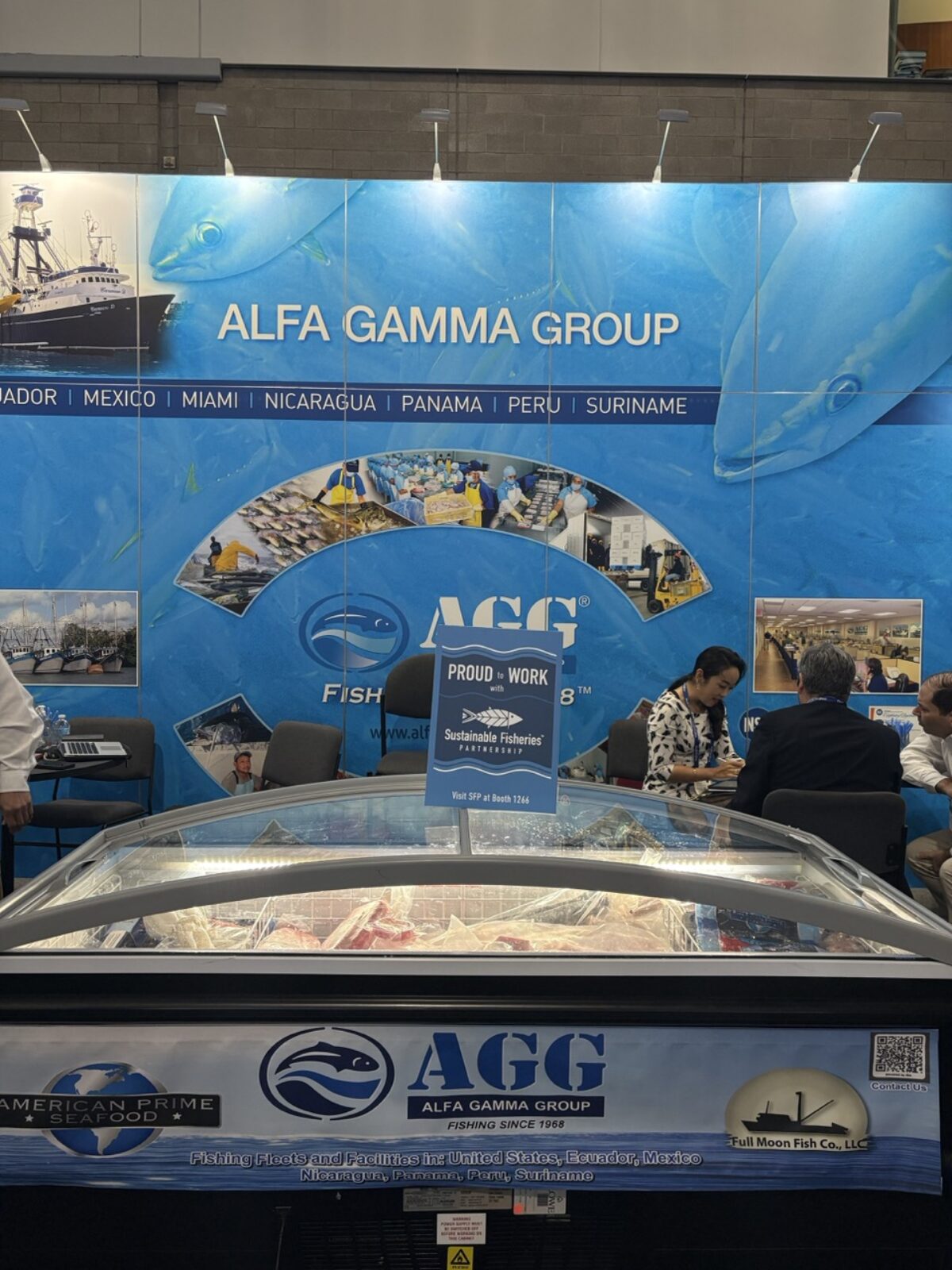
Alfa Gamma Group
Beacon Fisheries
Beaver Street Fisheries
Cox’s Shrimp Co.
High Liner Foods
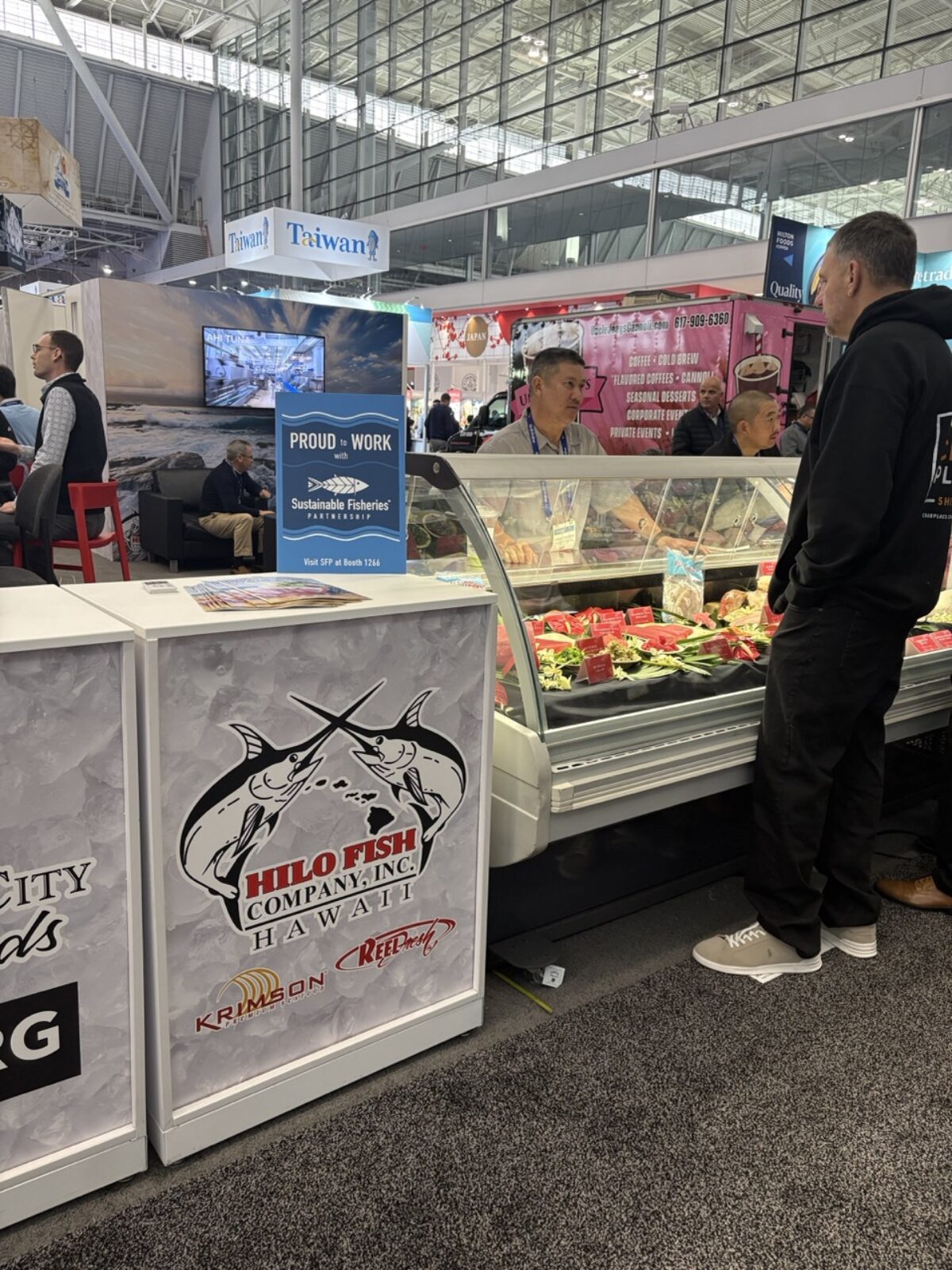
Hilo Fish Company
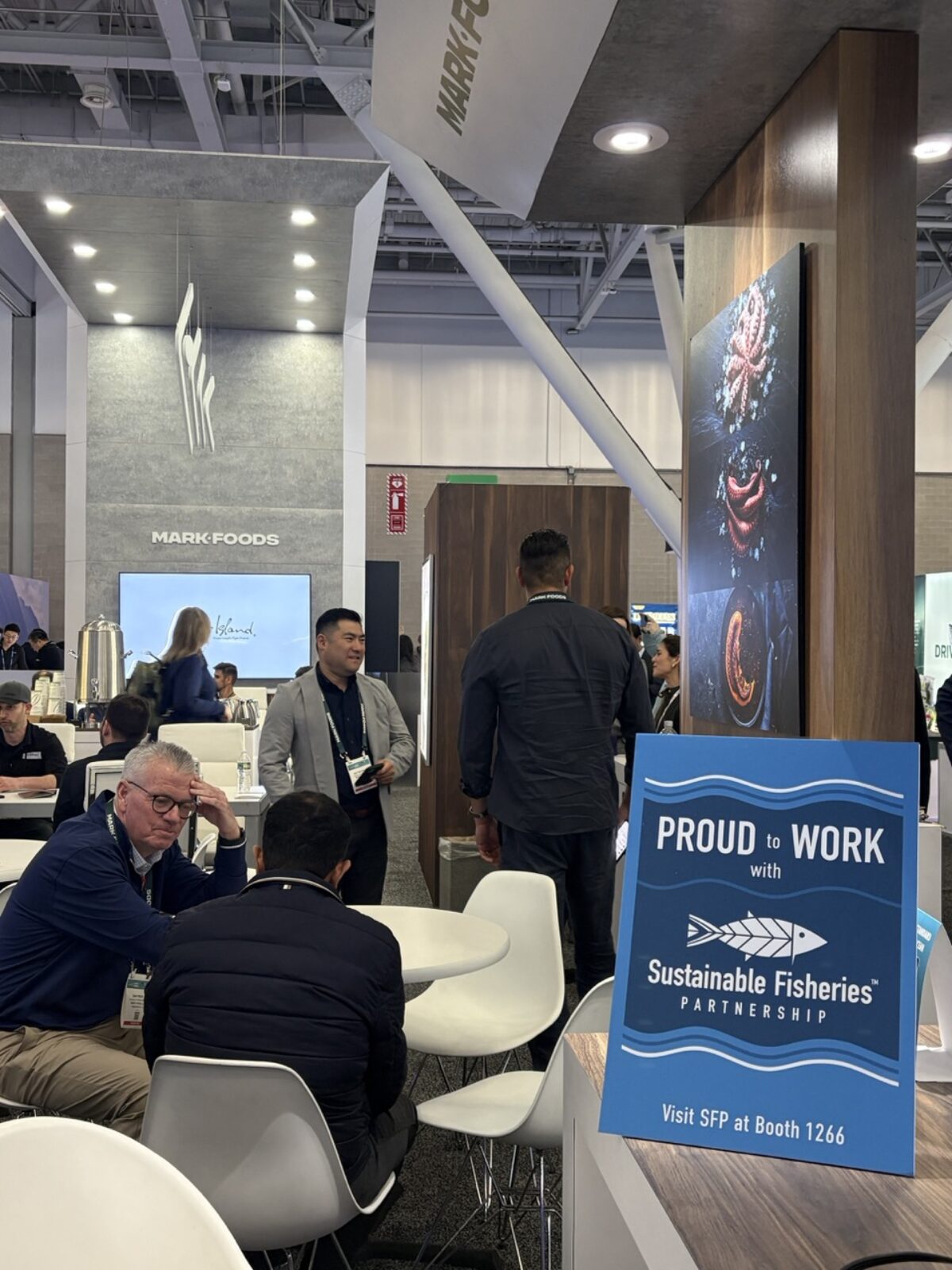
Mark Foods
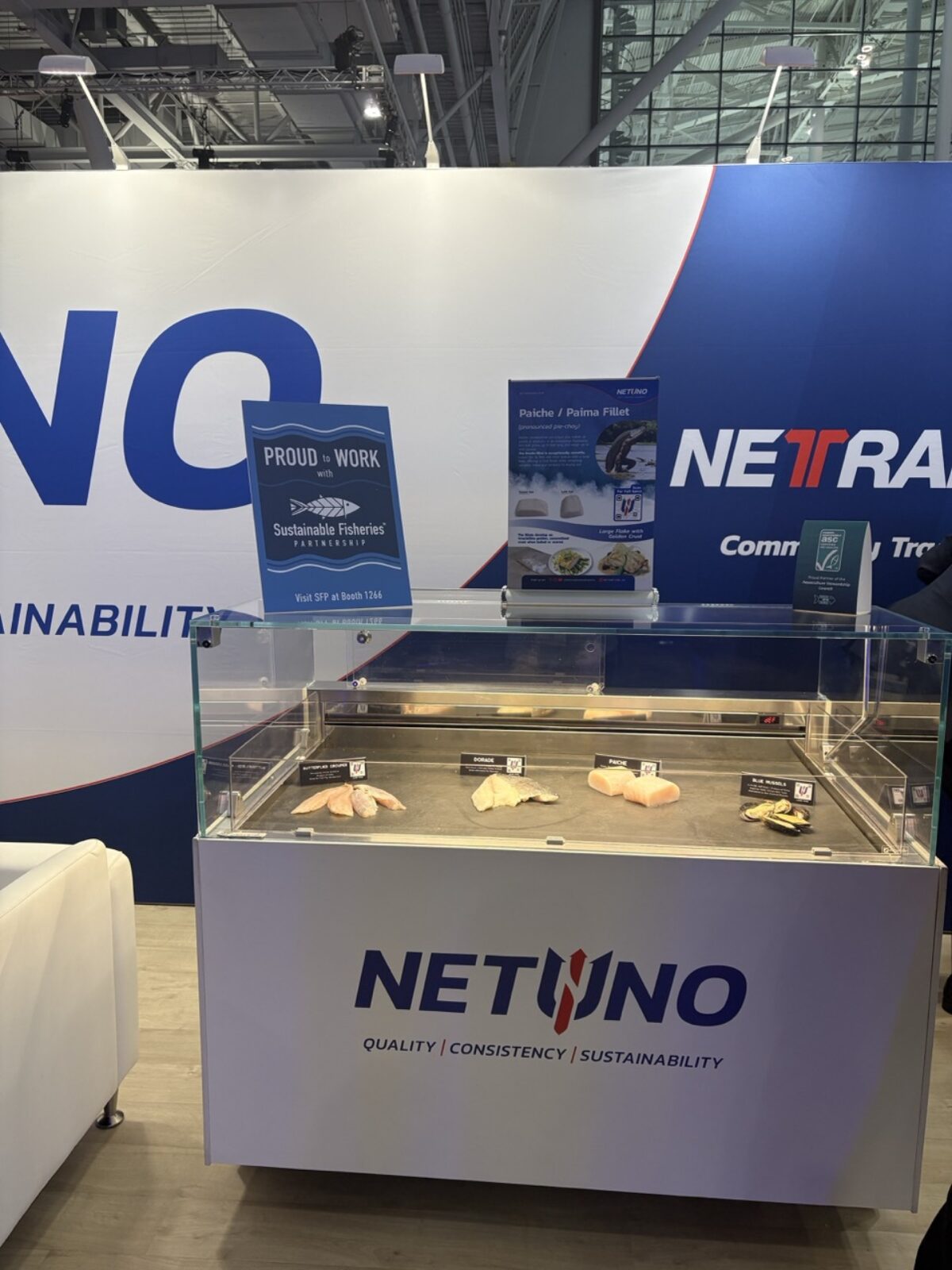
Netuno
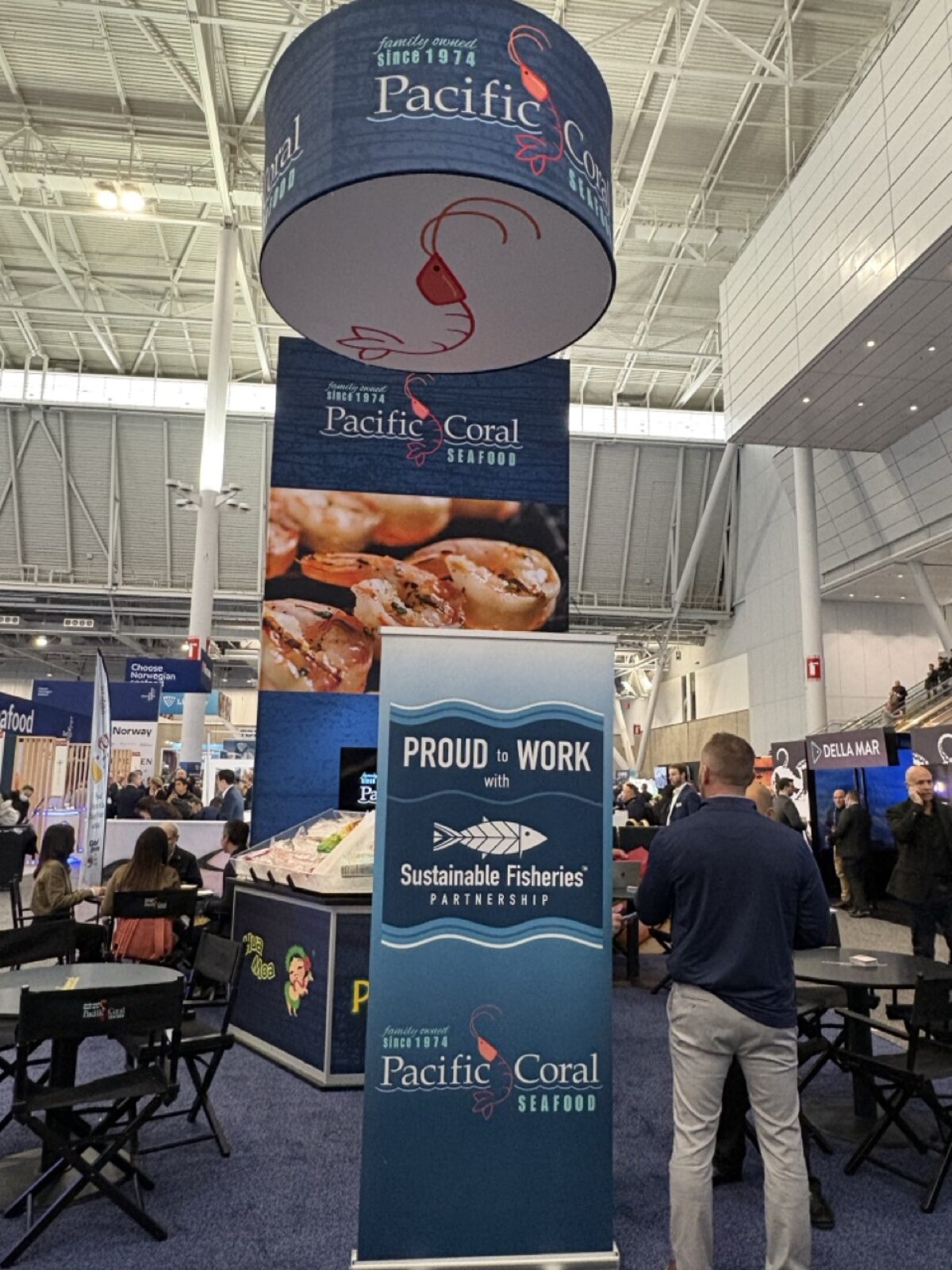
Pacific Coral
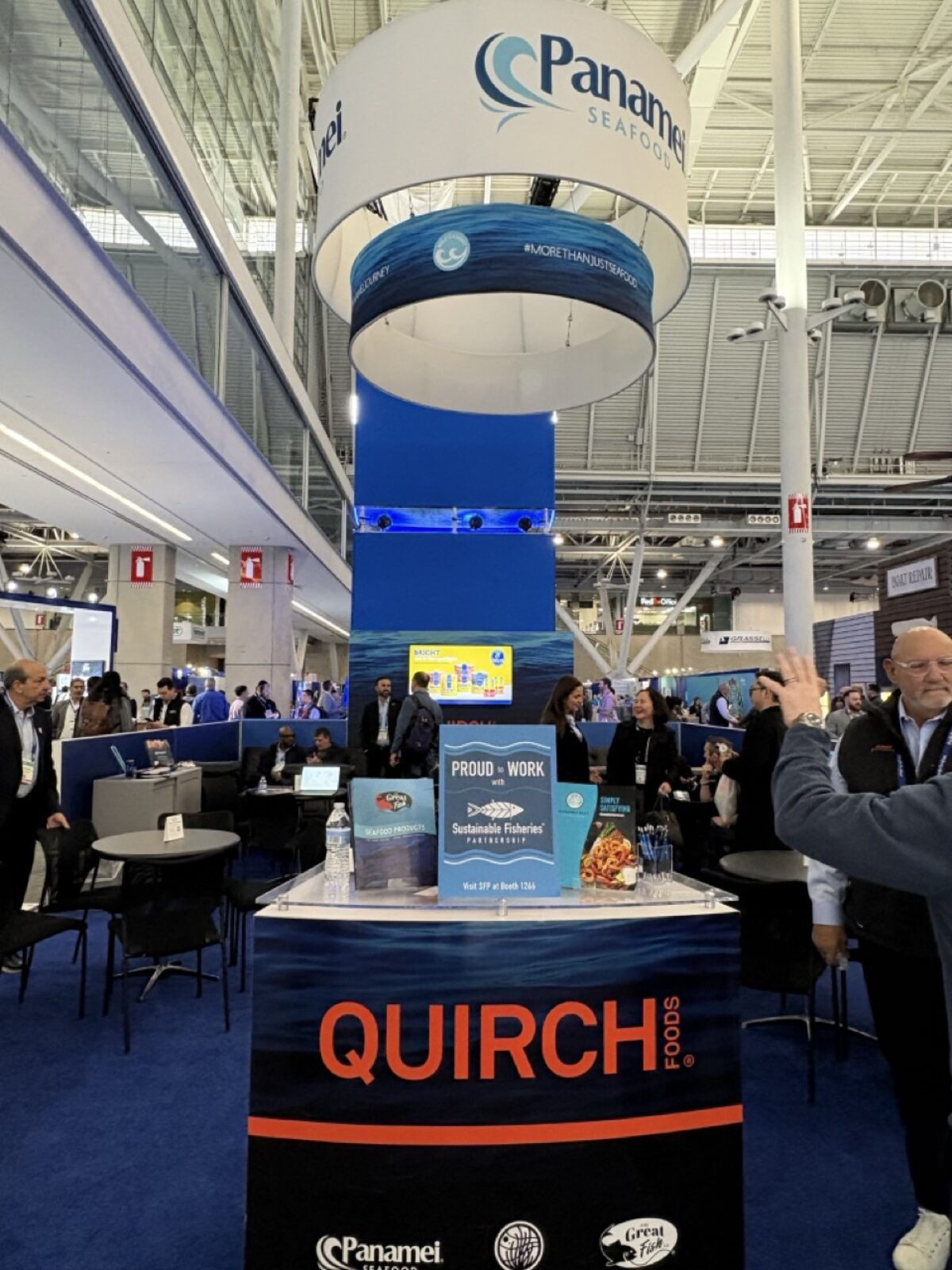
Quirch Foods
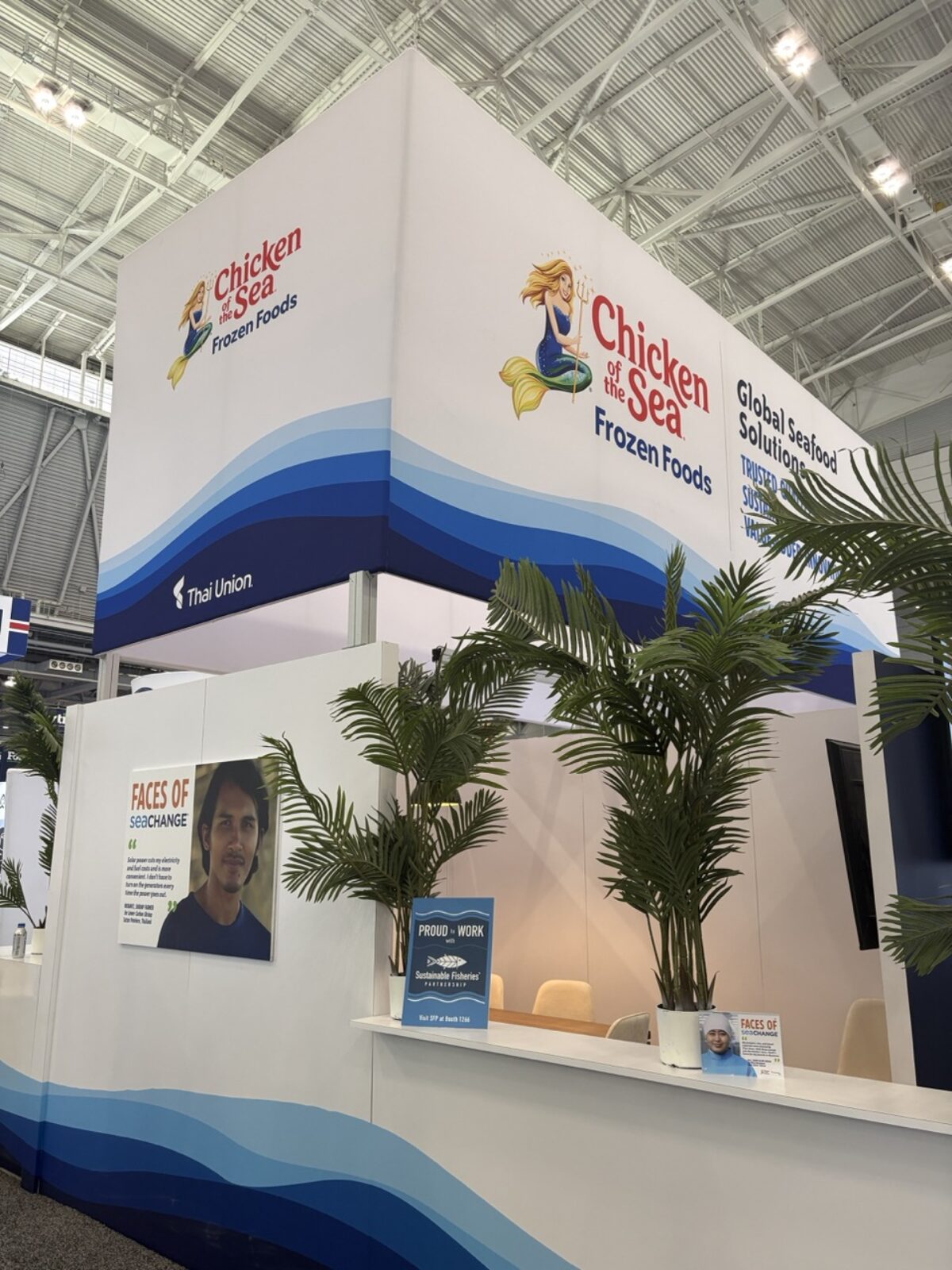
Thai Union/Chicken of the Sea
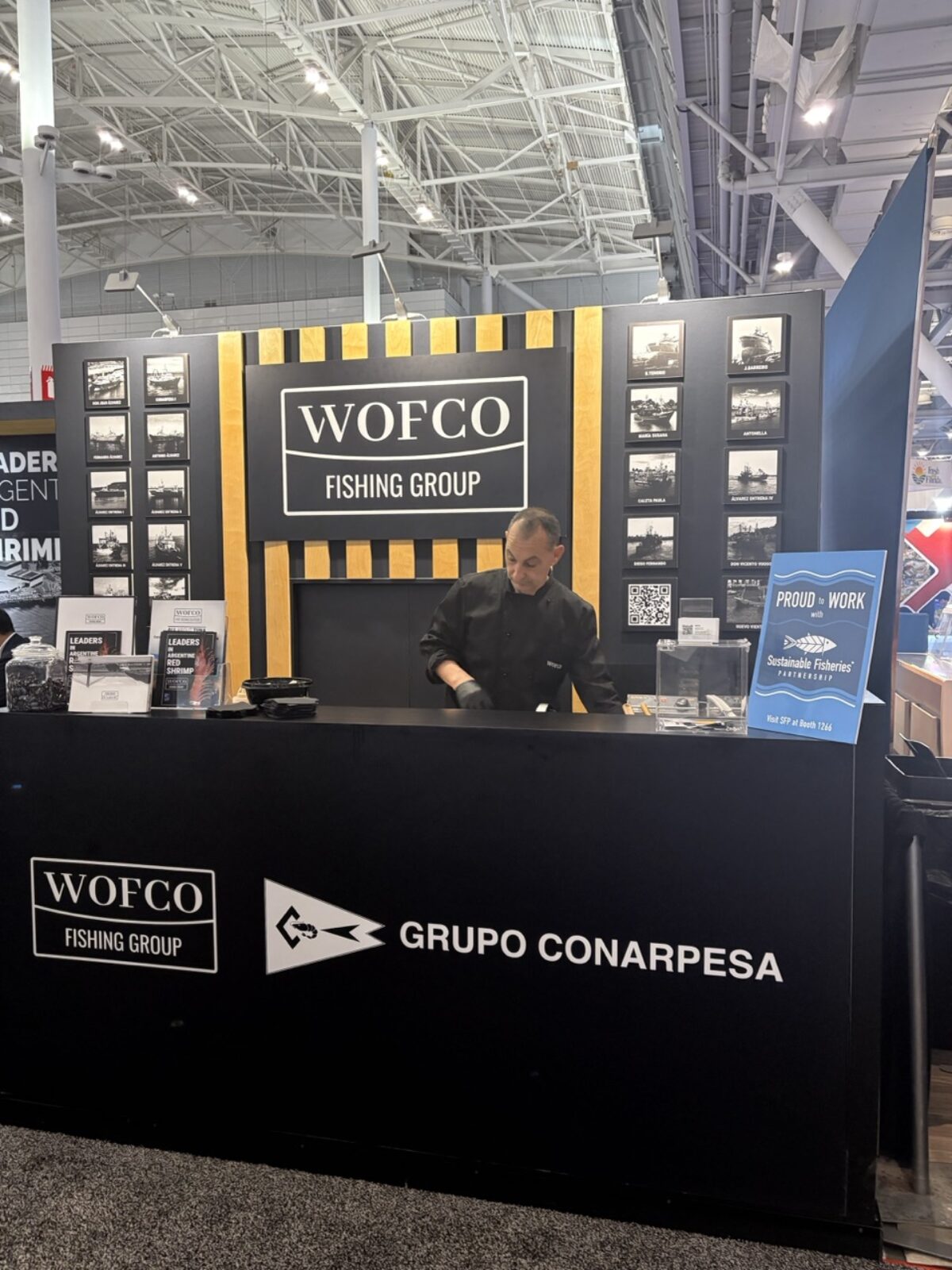
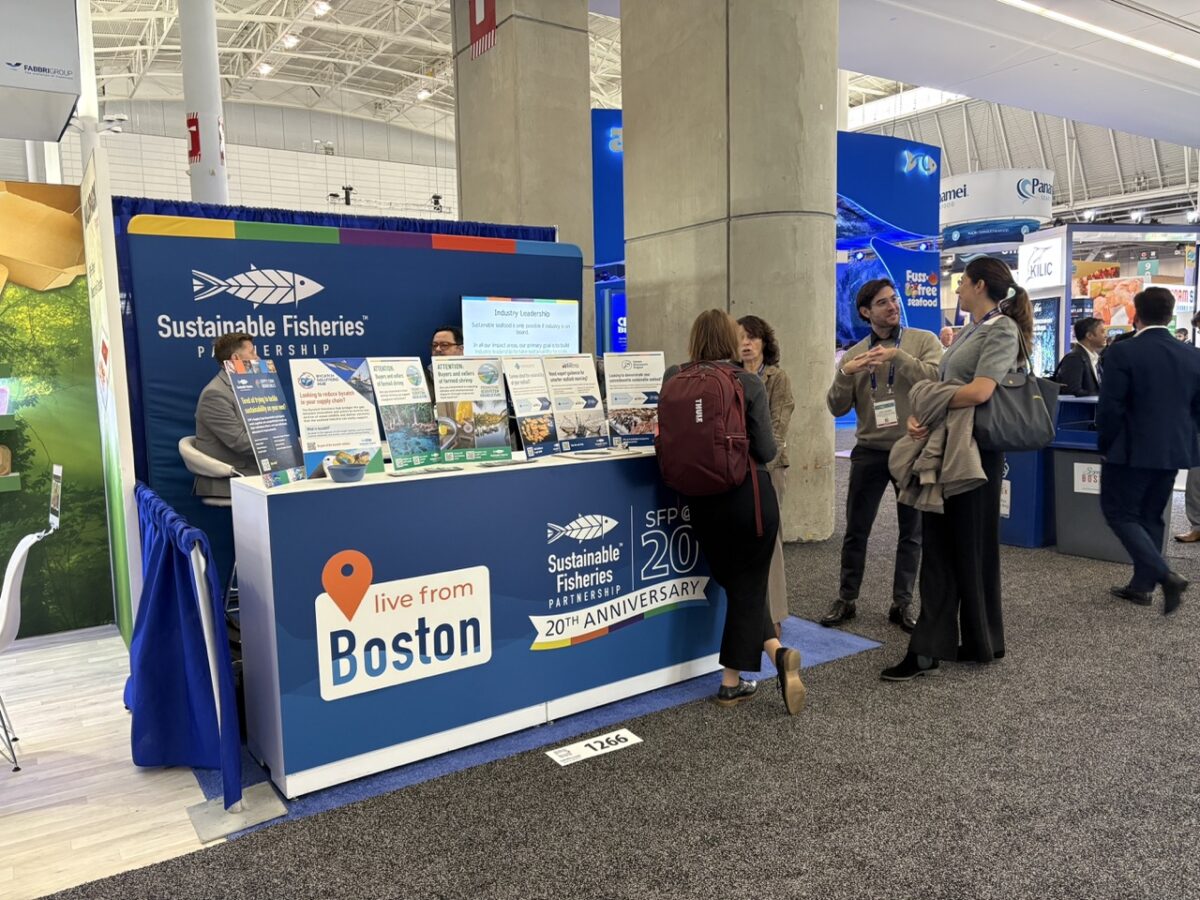
More scenes from SENA
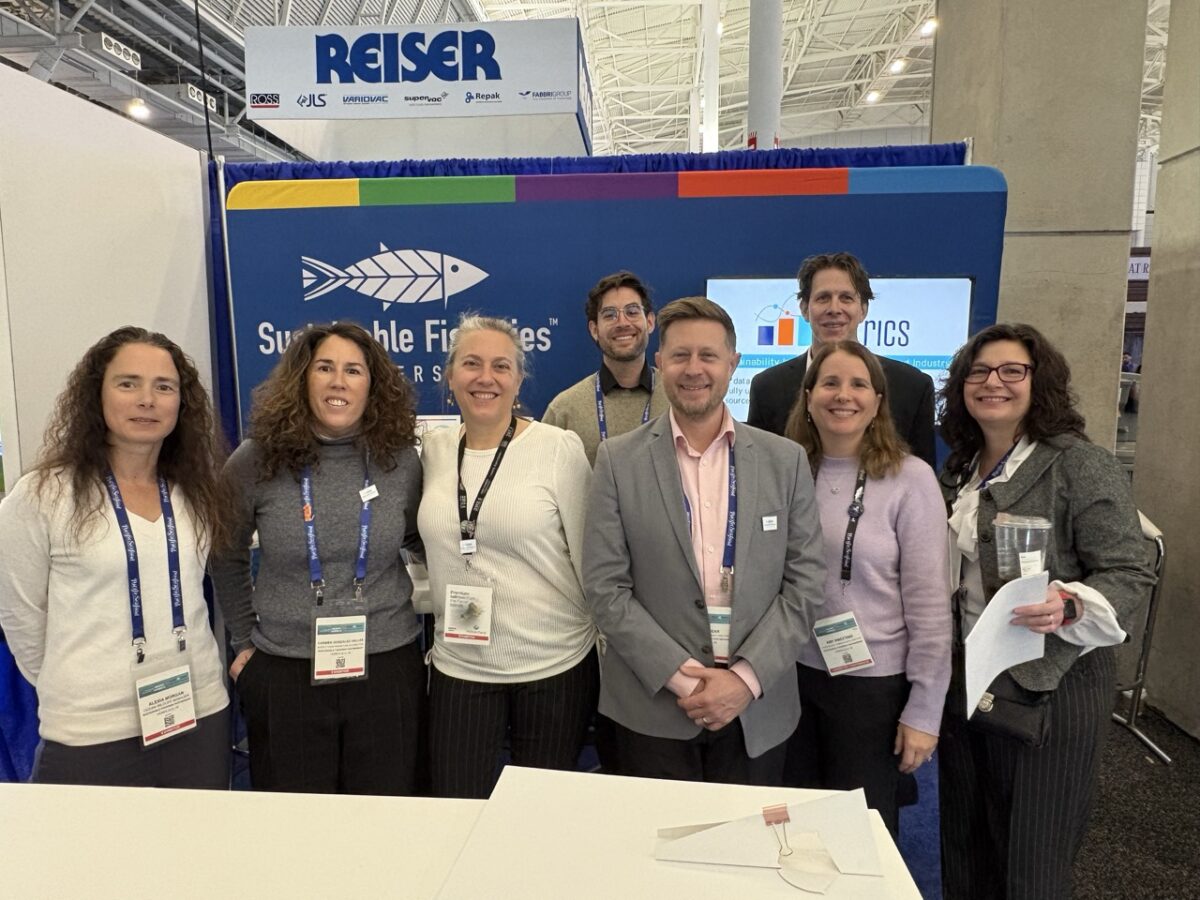
Meet the team
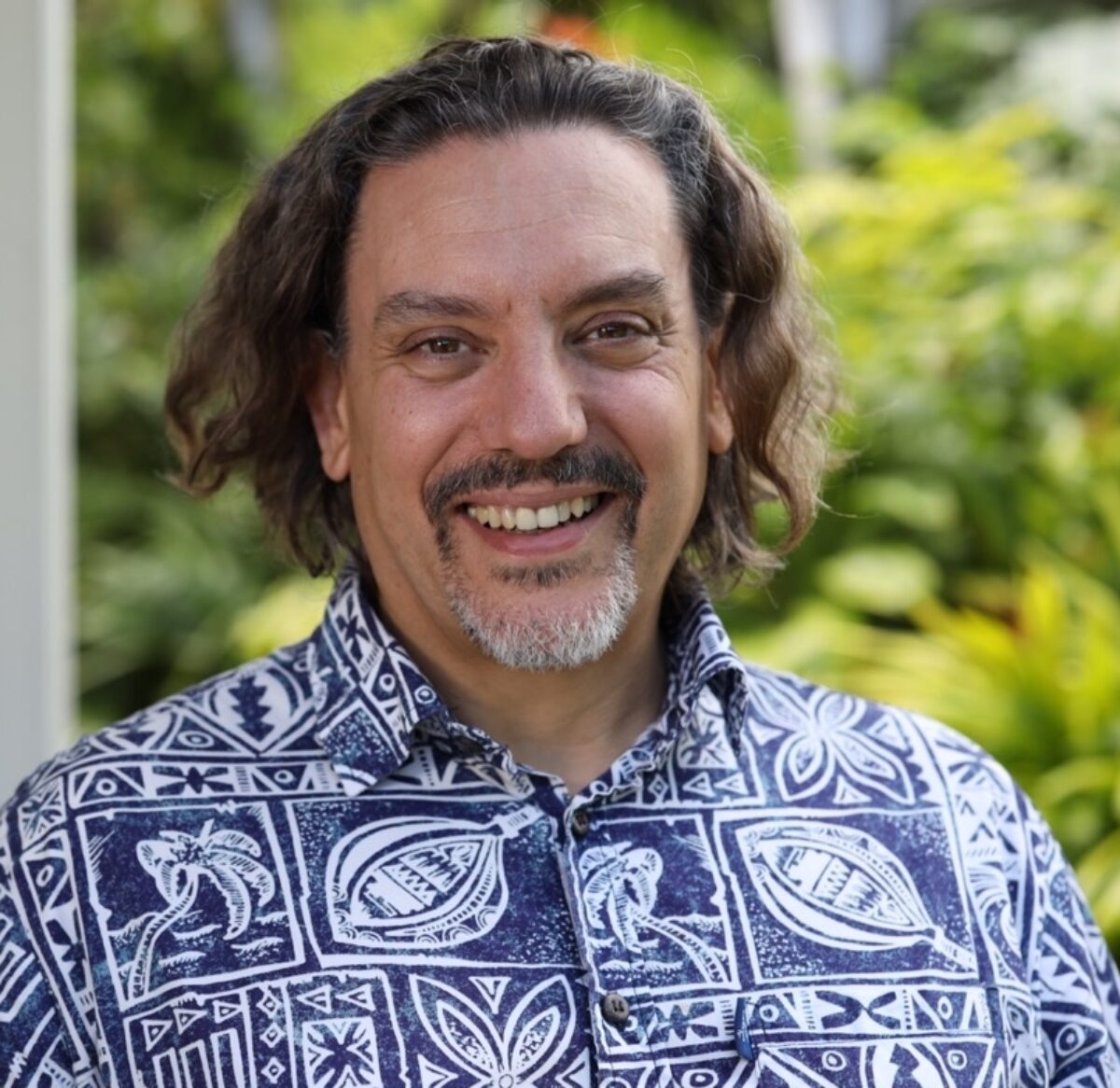
Jim Cannon, Founder and Chief Executive Officer
Markets & Fisheries

Bill Bradford, Partnership Engagement Specialist, North America

Jen Levin, Partnership Engagement Manager
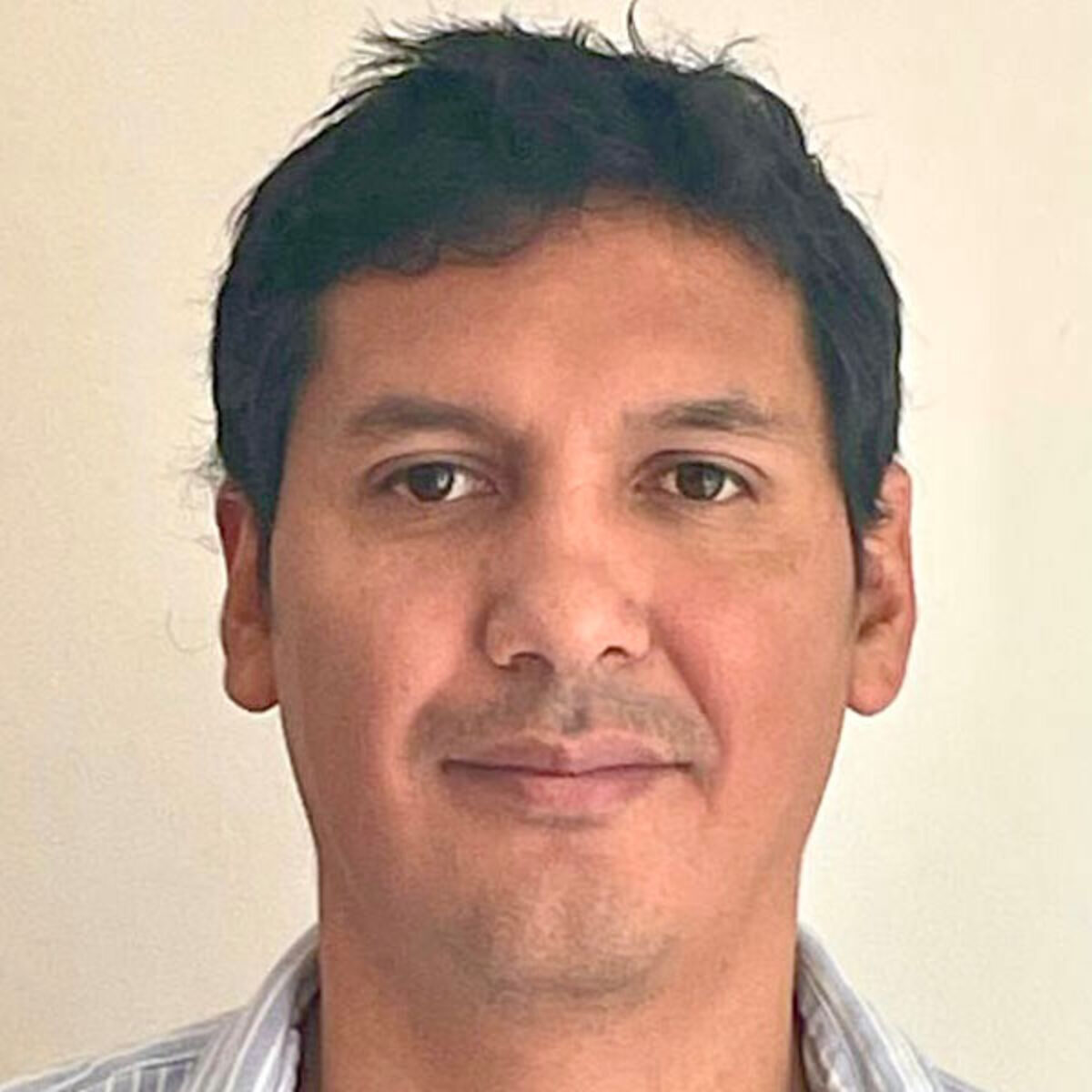
Teddy Escarabay, Latin American Fisheries Director
Supply Chains

Carmen González-Vallés, Director of Supply Chain Roundtables – Squid & Octopus

Kerry Marhefka, Supply Chain Roundtable Lead – Global Mahi and Indonesian Snapper & Grouper

Megan Westmeyer, Director of Supply Chain Roundtables

Dave Martin, Global Supply Chains Director
Biodiversity & Nature
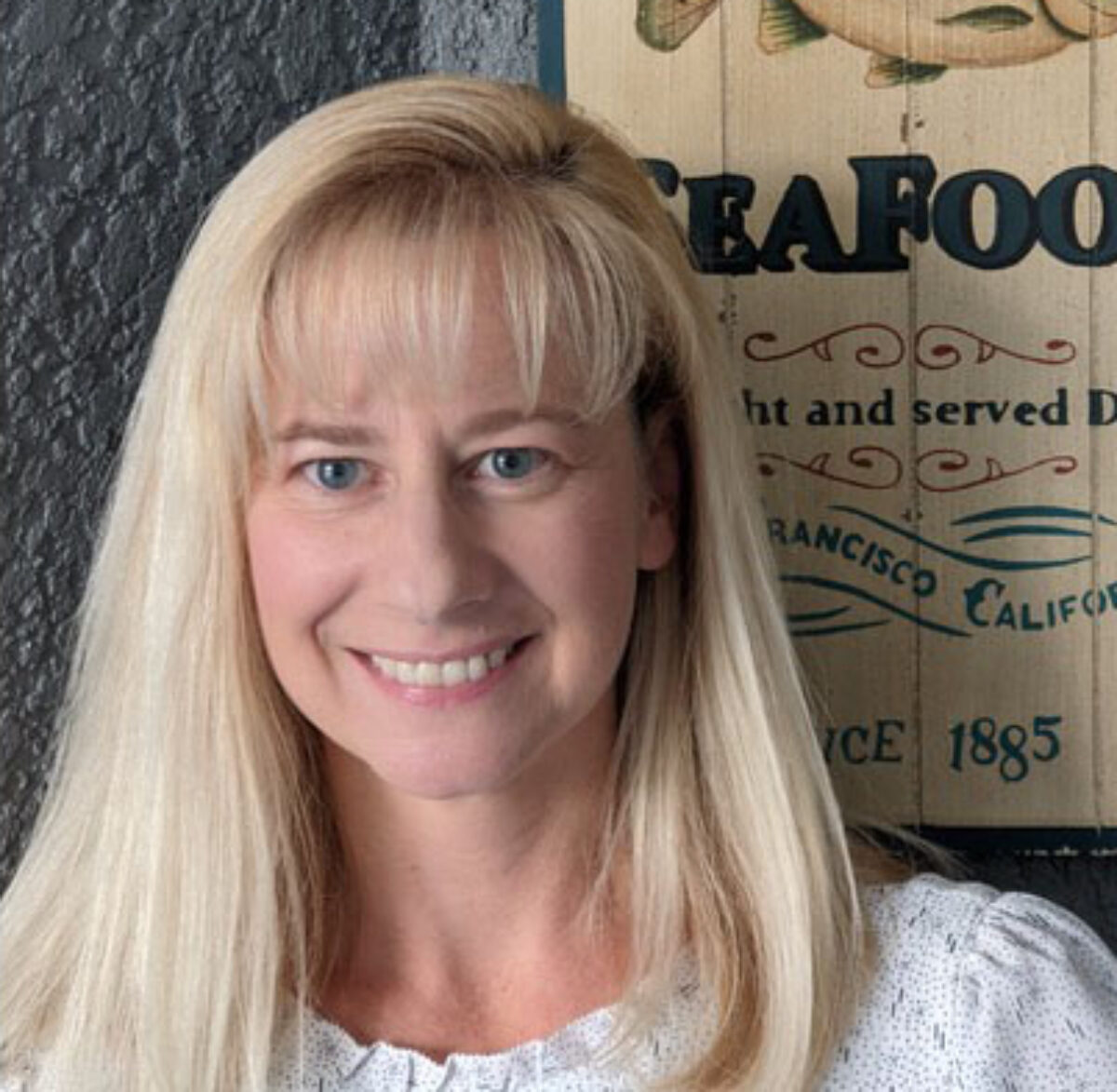
Kathryn Novak, Biodiversity and Nature Director

Anne DiMonti, Protecting Ocean Wildlife Program Manager

Alexia Morgan, Ocean Wildlife Manager

Cody Pajunen, Fisheries Policy and Information Analyst
Outreach and Communications

Braddock Spear, Prospecting and Outreach Director

Amy Sweeting, Marketing and Communications Director