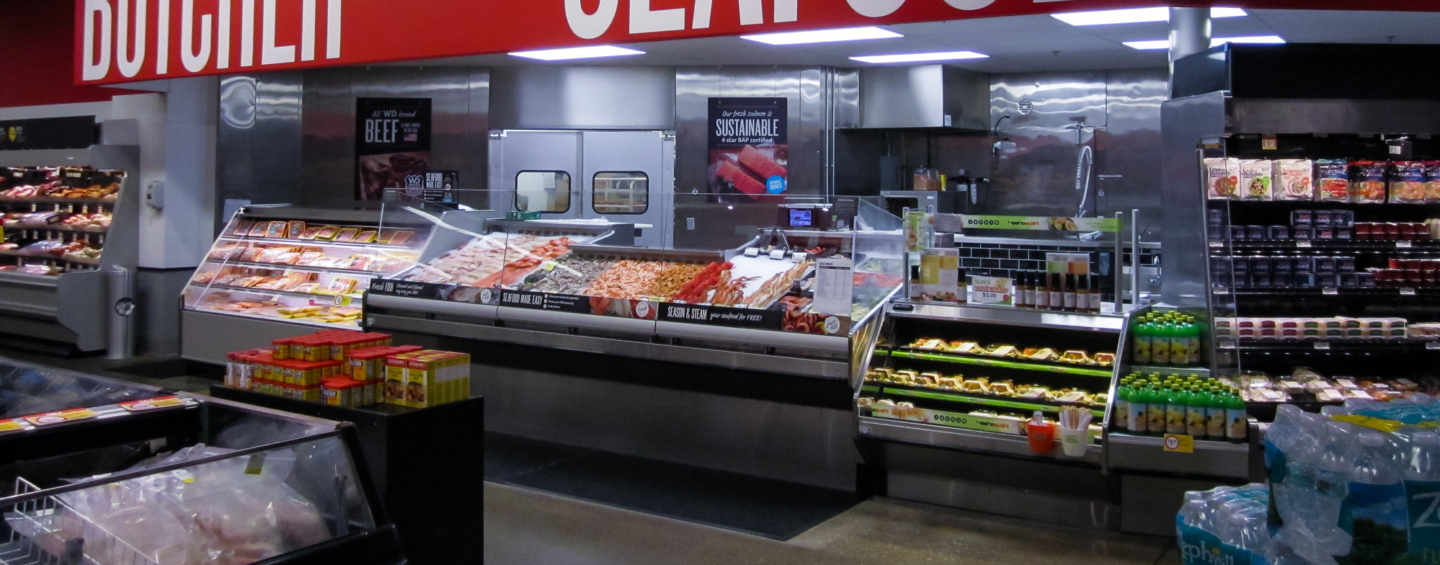
With their broad reach across the world’s fisheries and their influence in the marketplace, seafood retailers can have significant impact in fisheries and aquaculture improvement. The highest impact retailers we work with all have three things in common: they’re proactive, they demand suppliers contribute to fisheries management, and they don’t abandon fisheries in need of help.
They are proactive
First, high-impact retailers don’t passively buy only from “green-rated” or certified fisheries, or ones in fishery improvement projects (FIPs). Instead, they regularly and proactively check in on fishery performance and review what is being done to address problems as they emerge – whether the fishery is in excellent or poor condition.
They focus on supplier actions
Second, they focus on what their suppliers are doing to deliver solutions. They evaluate the behavior of their suppliers and the boats they buy from, to make sure they participate in fisheries management, and switch suppliers if necessary.
They don’t walk away
Third, they remain committed to the fisheries they source from, even when they hit trouble. They don’t abandon fisheries when their help is needed the most. They know it takes decades to help organize small-scale fishers, secure their rights to co-manage their fisheries, and build up the fisheries management system. They also recognize that environmental shifts in fish distribution and/or productivity may require renegotiating quota allocations established decades ago. They set aggressive but realistic targets for specific issues, but they don’t impose an arbitrary time limit to achieve a certain rating or certification.
The best do it all
All of SFP’s retail partners practice some of these behaviors, in some fisheries, some of the time. But the highest-impact retailers have one more fourth thing in common: they consistently do all three, all of the time, across all of the fisheries they buy from. These behaviors are the cornerstones for retailers in SFP’s updated strategy “All Hands on Deck.”
All retailers can be high-impact
Why should all retailers follow this approach? Because the past two decades have demonstrated that improvements take time, that governments can’t manage fisheries consistently without industry investment and cooperation, and that what is green-rated or certified today may suddenly regress. The answer is for retailers to work across all their fishery sources, proactively monitoring conditions, ensuring suppliers participate in fisheries management, and being in it for the long haul.
For some of our partners, this may mean updating their claims and public commitments. For others, it may mean becoming active in engaging their suppliers and changing what they ask from a simple “Is it in a FIP or MSC?” to “What issues are there in the fishery, and what are you doing about them?”
SFP is busy documenting strong examples of catch sectors and processors collaborating in fisheries management, and we stand ready to help all our retail partners ask these questions of all their suppliers, across all the fisheries they source from.