Search Results

Filter by

1001 results

  • Advisory Services Blog

    Seafood Metrics Terms of Use & Privacy Policy Update – Effective May 20

    Starting May 20, all users logging into Seafood Metrics will be prompted to review and accept an updated Terms of Use and Privacy Policy before accessing the platform. This update introduces a mandatory agreement popup that will appear on the company selection page during login for both new and existing…

    Drone shot of a traditional Thai longtail boat floating on clear turquoise waters in Thailand.
  • Page

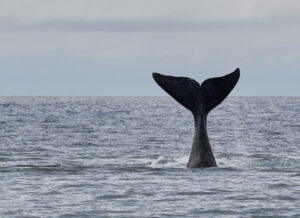
    Protecting Whales

    As a keystone species, whales help sustain the marine food web that supports ocean life worldwide. Through a vital natural process known as the “whale pump” or “the poop loop,” whales fertilize the ocean with their nutrient-rich waste, which stimulates the growth of phytoplankton, feeding the marine food web for…
    A whale's tail sticking up out of the ocean
  • Page

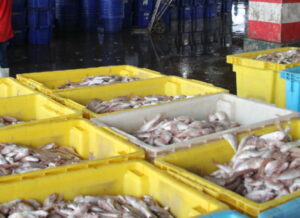
    Facing the challenge of multispecies management in Gulf of Thailand mixed trawl fisheries

    Spanning an area of nearly 400,000 square kilometers, the Gulf of Thailand Large Marine Ecosystem (GoT LME) is considered a global center of shallow-water marine biodiversity, home to crucial habitats such as coral reefs, seagrass, and mangroves. The area provides vital marine-based ecosystem services, including food security, nutrition, and livelihoods,…
    Fish landing site in Thailand with rows of yellow crates full of fish
  • Page

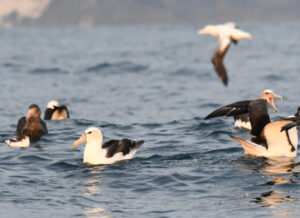
    Protecting Seabirds

    Seabirds, including shearwaters, petrels, albatrosses, and others, are found in oceanic and coastal waters around the world. They are long-lived species that typically return to land for nesting, producing only a few young per year and at a later age when compared to many land bird species. This makes their…
    several different kinds of seabirds swimming on the surface of the ocean
  • Page

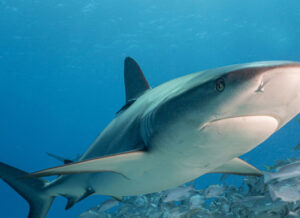
    Protecting Sharks

    Sharks are long-lived fish species that reach sexual maturity later in life and produce relatively few offspring during their lifetimes. These biological characteristics make them particularly vulnerable to commercial fishing pressure and other human-related impacts. The loss of sharks, due to both targeted and incidental capture in commercial fisheries, has…
    Shark swimming above a large school of fish
  • eNewsletter

    Highlights from Seafood Expo Global 2026

  • Publication

    Mahi-Mahi FIPs in Latin America

    A concise, practical guide for seafood buyers that explains what FIPs are, why they matter for supply chains, and how companies can engage effectively. It includes actionable checklists for evaluating FIPs, identifying warning signs, and strengthening industry participation in sustainability efforts.
  • Publication

    Lessons learned from the implementation of three mahi-mahi fishery improvement projects (FIPs) in Latin America

    A synthesis of lessons learned from the implementation of three mahi-mahi FIPs in Latin America (Ecuador, Peru, and Costa Rica). The briefing draws on stakeholder interviews and existing research to identify key success factors, common barriers, and practical recommendations for seafood companies on how to effectively engage with FIPs and support long-term fisheries sustainability.
  • Event

    Snow crab field trip for buyers

    A behind-the-scenes look at snow crab sustainability efforts in Canada. Join SFP’s Protecting Ocean Wildlife team in May 2027 in Halifax, Nova Scotia, to meet snow crab harvesters, gear techs, and others who are leading efforts to ensure a sustainable future for snow crab fisheries, while also protecting critically endangered…