Industry Leadership
Animal welfare in the seafood industry
SFP's Position on Animal Welfare in the Seafood Industry
Sustainable Fisheries Partnership (SFP) works across the entire seafood value chain, from the world’s largest retailers to artisanal fishers, to ensure that seafood is responsibly sourced and produced. This includes maintaining healthy oceans and aquatic ecosystems, rebuilding depleted fish stocks, reducing the environmental impacts of fishing and fish farming, and ensuring sustained economic opportunities for fishing communities worldwide.
Our science-based, impact-driven approach helps companies understand the sustainability of their seafood sources, identify where improvements are needed, monitor and report progress, engage stakeholders, and showcase impact. And, as with other animal proteins, achieving sustainability goals for seafood buyers includes addressing the increasing global recognition of animal health and welfare as a critical component of ethical and sustainable food systems.
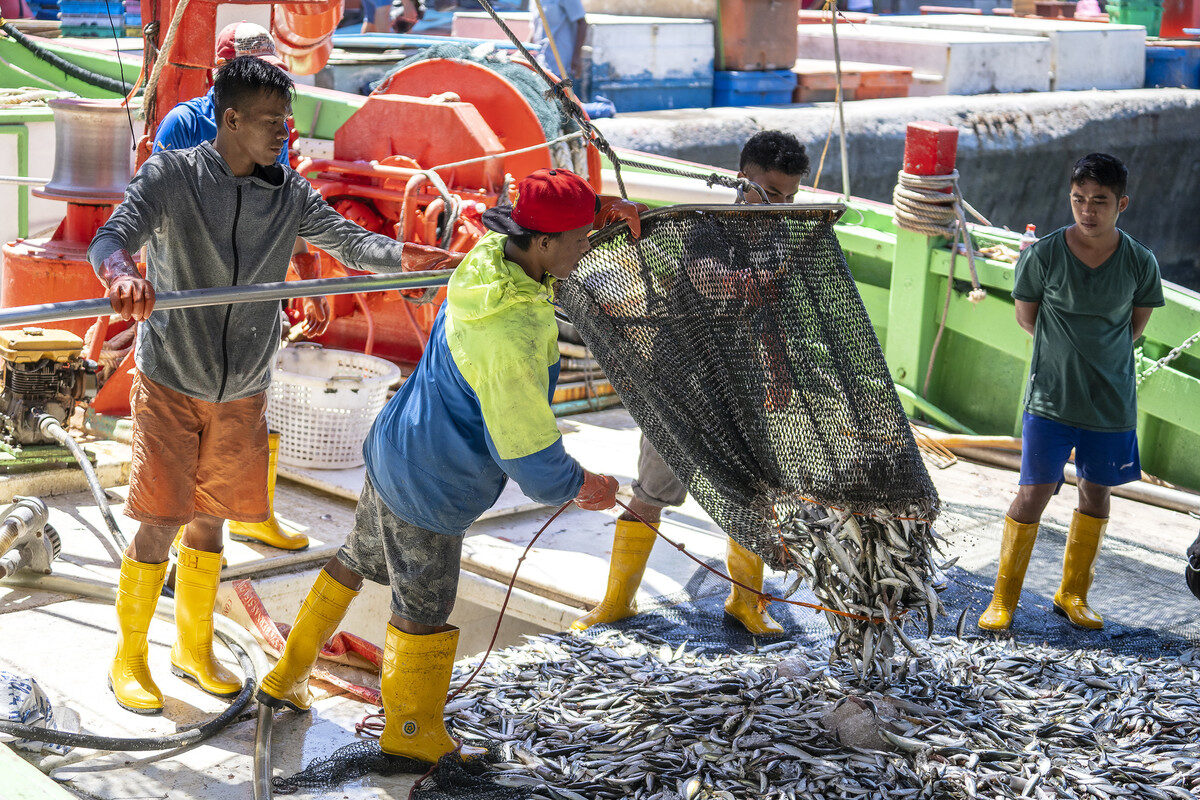
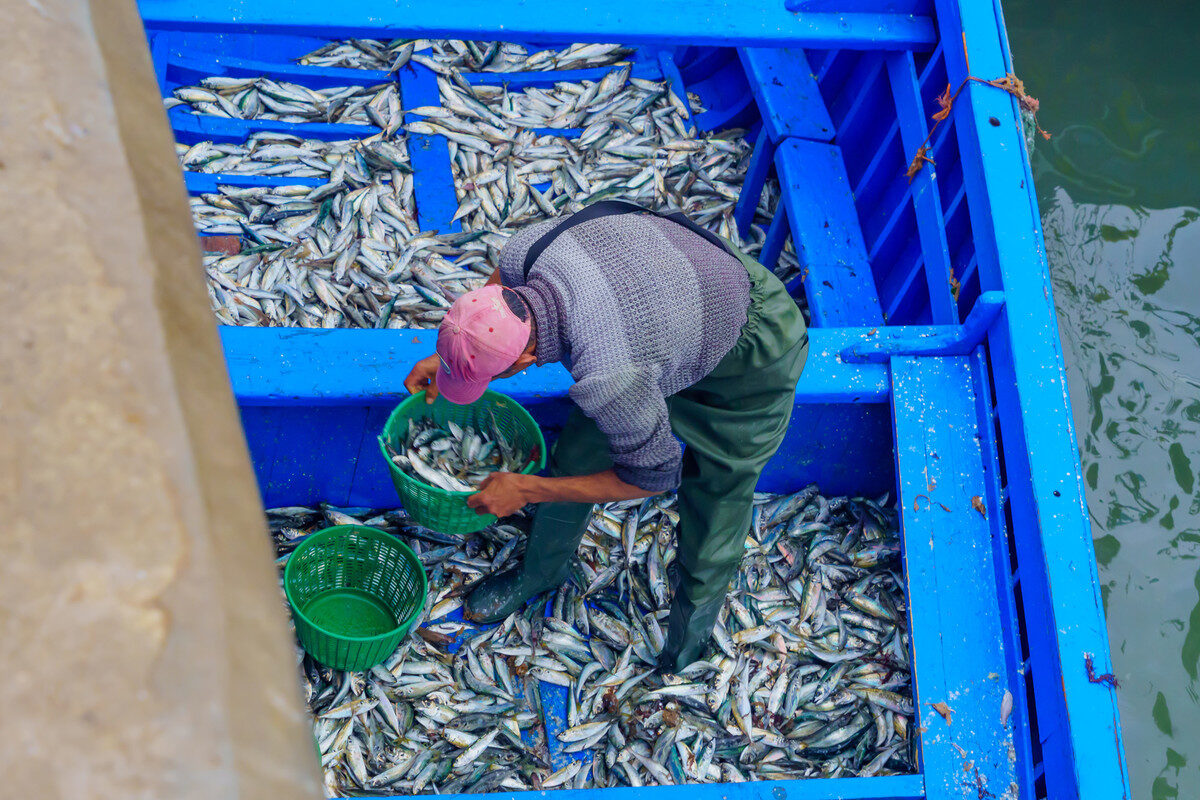
There is a wide range of views and opinions about fish welfare, and the science is evolving rapidly. What we do know is that the process of harvesting fish and other marine and aquatic animals for seafood can unintentionally cause stress and pain. So we need practical, actionable solutions and technologies that can contribute to the humane capture and slaughter of wild-caught seafood and the humane raising, harvesting, and slaughter of farmed seafood.
There are already best practices and new technologies being developed to reduce these impacts. While there is substantial information regarding the impacts of the aquaculture industry on fish welfare, there is much less research available on welfare issues in wild-capture fisheries. SFP can leverage our robust relationships with the seafood industry and the catch sector to facilitate input from harvesters and processors, to ensure that solutions are science-based, pragmatic, commercially viable, and scalable.
While many emerging animal welfare initiatives in seafood are calling for the end of commercial-scale harvesting, or boycotts of certain fishing and fish farming practices, SFP operates under a distinctly different philosophy. We do not endorse boycotts, and we do not ask our partners to stop sourcing from a challenged fishery to address an issue. Abandoning a fishery removes any leverage that a buyer might have and reduces incentives and resources that the fishery stakeholders might have had to improve. Instead, we ask our partners to stick around and help fix the problems – to engage with fishers, producers, processors, and other stakeholders to figure out what needs to be done and then to support them in doing it.
As with all difficult problems, the challenge of reducing fish suffering will not be solved overnight. It will take years of action and broad commitment by the seafood sector, with the guidance of subject-matter experts, to transform practices and technologies in the industry. At SFP, we are used to being in it for the long haul. And our trusted relationships at all levels of the seafood value chain mean that we can bring industry to the table to help find practical solutions to this difficult problem.
February 2026