
This is the first in a series of blogs from SFP staff about our collaborative efforts to improve fisheries management in the Gulf of Thailand through the GoTFish Project. This project brings together a regional, multi-stakeholder initiative, funded by the Global Environment Facility (GEF) and implemented by the Food and Agriculture Organization of the United Nations (FAO), in partnership with the Southeast Asian Fisheries Development Center (SEAFDEC), Sustainable Fisheries Partnership (SFP), and the University of Queensland.
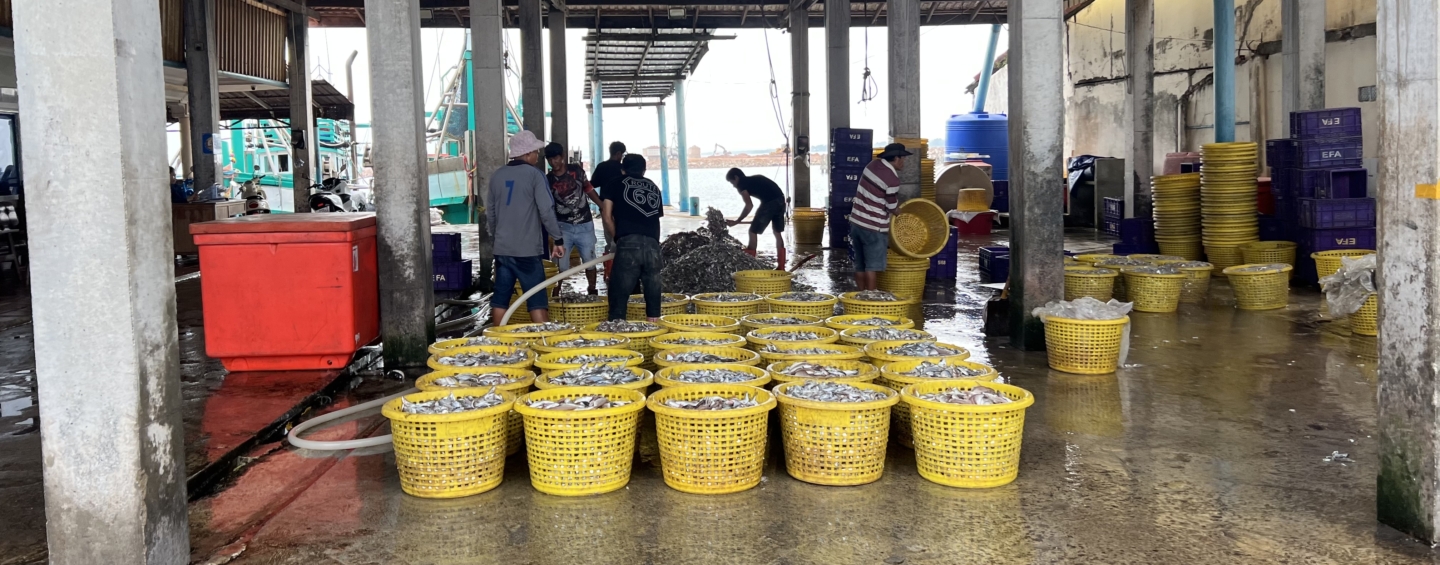
Early one morning along Cambodia’s coast, I watched fishing vessels begin returning to landing sites carrying small marine pelagic fish, most notably anchovies, the key ingredient behind the country’s traditional fish sauce. From coastal landing sites in Preah Sihanouk and Koh Kong province to fermentation facilities in Kampot, Kep, Kandal, and Phnom Penh, these small fish move through a supply chain that connects fishers, collectors, and producers to markets across Cambodia and beyond.
Each actor along this chain plays an important role in maintaining the quality of raw fish and sustaining this traditional industry. Strengthening collaboration across the supply chain is essential for preserving product quality, advancing responsible sourcing practices – including improved traceability, handling, and compliance – and connecting Cambodia’s coastal communities to international markets that increasingly reward responsible practices.
A traditional practice reaches out to the world
Cambodia’s fish sauce industry is deeply rooted in tradition, yet it is also increasingly engaging international markets. Behind every bottle of fish sauce is a supply chain that begins at sea and continues through landing sites, collectors, and fermentation facilities before reaching consumers.
As part of the GoTFish project, I recently visited several coastal provinces to conduct a baseline assessment of the fish sauce sector, to help us understand how this supply chain operates and how producers are working to strengthen their competitiveness in both domestic and international markets. During these visits, I met fish sauce producers, fish collectors, landing site operators, and fishers, who provided valuable insights into how small pelagic fish, especially anchovies, sustain fish sauce production and how the sector is evolving in response to new opportunities and challenges related to responsible sourcing and market access.
It’s all about anchovies
One of my most striking observations was the central role of anchovies in fish sauce production. Producers explained that anchovies account for the vast majority of marine fish used for fish sauce because of their high content of amino acids and peptides, which contribute to the product’s flavor and nutritional value. Traditional fermentation practices typically require at least one year, and often longer, allowing the fish to ferment naturally and develop the rich taste and high protein content that characterize quality fish sauce. This traditional process underscores the close link between raw material quality, traditional production methods, and the quality of the final product.
Fishers also shared their experiences about the seasonal nature of anchovy fishing.
“Anchovy catches depend a lot on the season,” one fisher explained. “During the peak months we can land more fish, but in the low season supply drops and prices increase. Sea conditions and the weather also affect how much we can catch.”
These seasonal patterns shape the entire supply chain. During peak fishing months, producers are able to secure larger volumes of raw fish, while in the low season supply becomes more limited and prices tend to rise.
For fishing communities, the availability of fish is closely linked to livelihoods. By maintaining the value of their catch and adopting responsible fishing practices, fishers can improve returns while helping to reduce waste across the supply chain.
High-quality inputs equal high-quality products
Maintaining the quality of raw fish is also a critical part of the process. Anchovies are often salted and transported from landing sites to processing facilities within a few hours, although travel times can be longer depending on distance. During transport, the fish are typically covered to help preserve freshness and maintain product quality. However, if fish are mishandled or transport is delayed, the risk of spoilage or histamine formation can increase, underscoring the importance of proper handling and timely delivery.
Fish sauce producers emphasized that raw material quality directly affects the final product.
“Good fish is the foundation of good fish sauce,” said one producer. “When anchovies are fresh and handled properly, fermentation produces a much better product. As we look toward international markets, maintaining quality, traceability, and responsible sourcing becomes even more important.”
Meeting challenges through transparency and responsible practices
At the same time, several stakeholders pointed to broader challenges affecting the sector. Some fishers reported that catches of small pelagic fish, including anchovies, have declined compared with previous years, while others pointed to increasing competition for raw fish from other buyers such as fishmeal processors and aquaculture producers. In addition, limited traceability in parts of the supply chain can make it more difficult for producers to meet evolving market expectations and sourcing requirements.
Despite these challenges, my discussions with local stakeholders revealed strong interest among producers and other supply chain actors in strengthening collaboration and improving responsible sourcing practices. Several producers have already begun exporting fish sauce to markets such as Australia and New Zealand, while others are exploring opportunities to expand into additional markets, including the European Union and the United States. As these export markets increasingly demand higher standards related to product quality, traceability, and sustainability, such market signals are encouraging producers to enhance supply chain transparency and adopt more responsible sourcing practices in order to remain competitive.
Achieving recognition as a local heritage product
Alongside these growing export opportunities, another encouraging development for the sector is the recognition by the Cambodian government of Kampot-Kep fish sauce as a Geographical Indication (GI) product. This recognition underscores its local heritage, helps protect the name and origin of fish sauce produced in the region, and supports the preservation of traditional production methods.
Several producers I spoke to are members of the Kampot-Kep Fish Sauce Association, which promotes traditional fermentation methods and product quality linked to the region’s coastal heritage. GI recognition not only helps safeguard these traditional practices, but also strengthens the identity of Cambodian fish sauce in domestic and international markets, creating new opportunities for producers to access premium market segments. Some producers have also strengthened food safety practices by obtaining certifications such as HACCP, the Cambodian Quality Seal (CQS), and Cambodia Standard (CS) for fish sauce, further enhancing their credibility and market access.
Looking to the future
The GoTFish baseline assessment represents an important first step in understanding how Cambodia’s anchovy supply chain operates and where improvements can help strengthen responsible practices, and market opportunities.
Looking ahead, closer collaboration across the anchovy supply chain will be key to helping Cambodia’s fish sauce industry respond to emerging challenges and market expectations. The openness and commitment shown by producers, fishers, and other supply chain actors during my visits offer encouraging signs for the future.
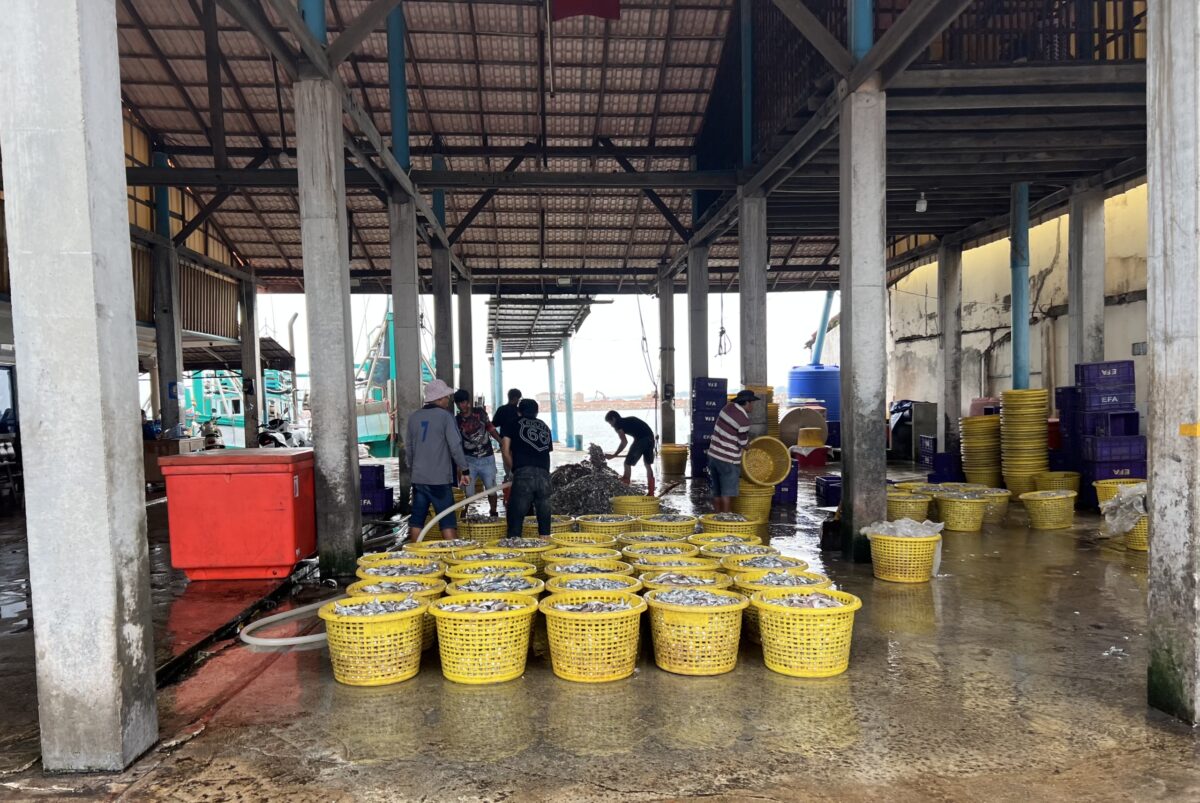
Fishing vessels landing anchovy at Steung Hav landing site, Preah Sihanouk province. Credit: Leang On Pong
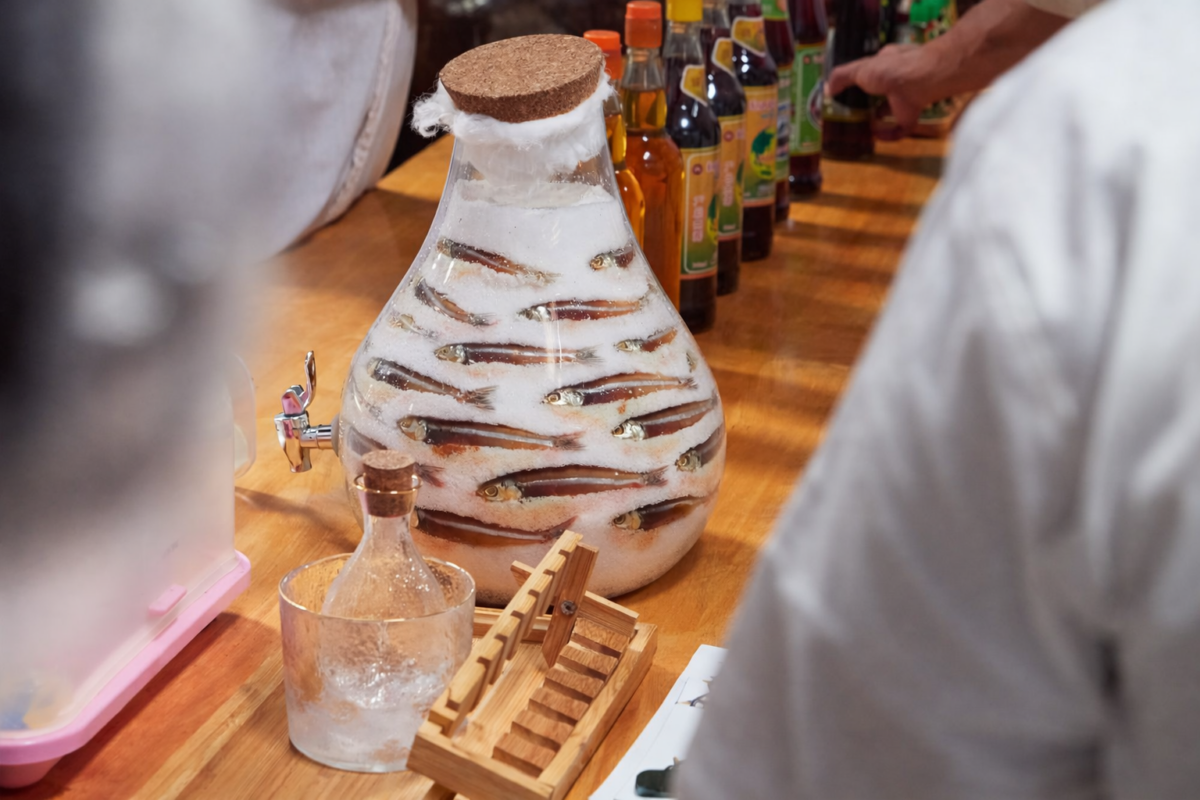
Anchovy being prepared or salted for fish sauce fermentation. Credit: Ngov Heng Kampot Fish Sauce
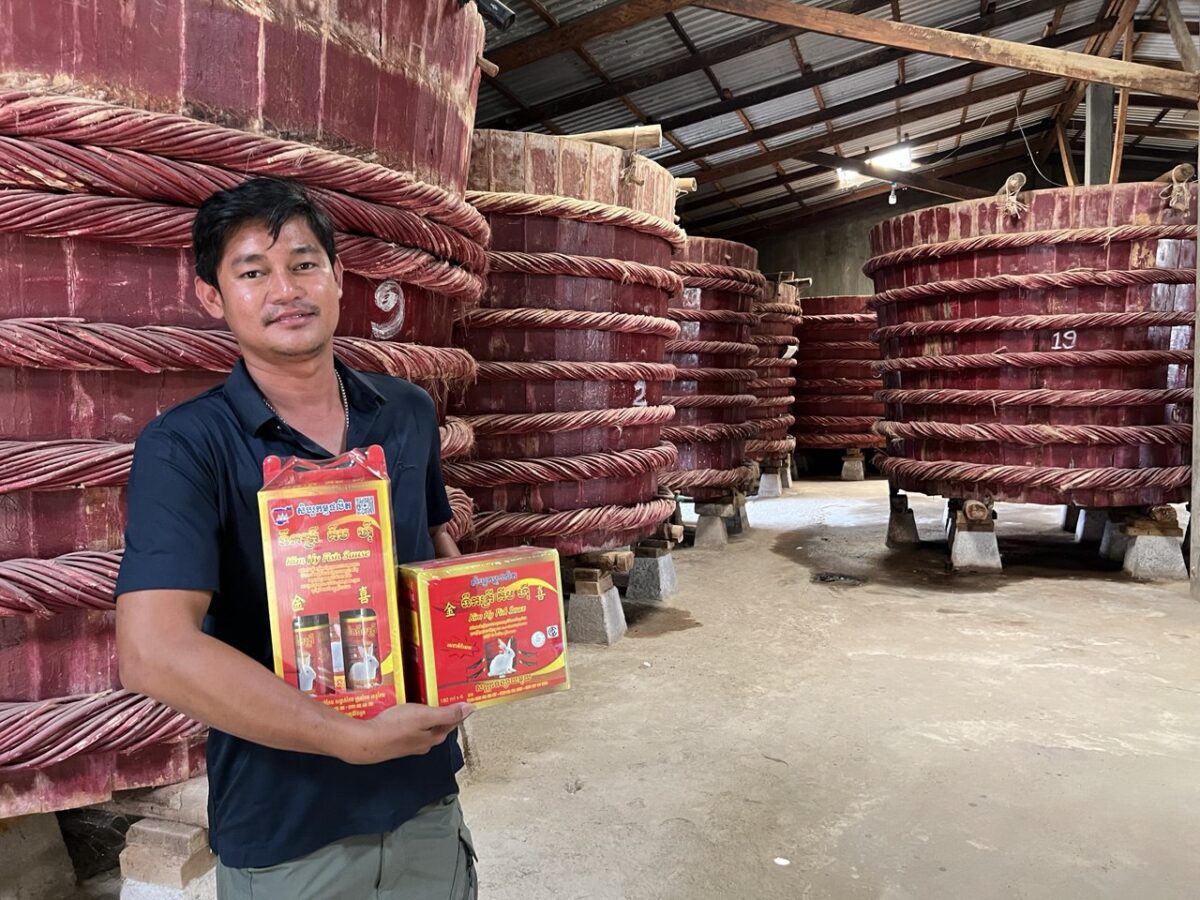
Fish sauce traditional jars at a producer facility. Credit: Leang On Pong
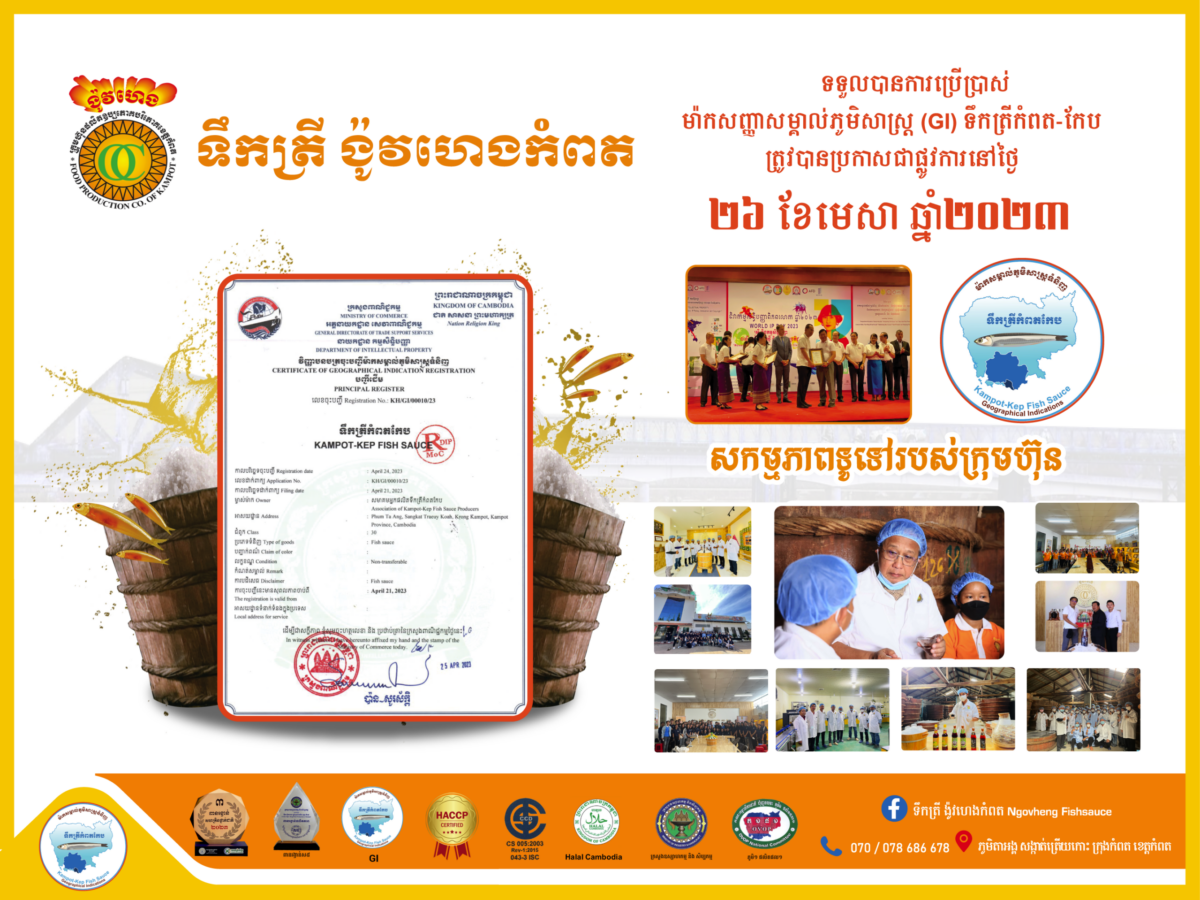
Kampot-Kep Fish Sauce GI Registration. Credit: Ngov Heng Kampot Fish Sauce