Partner highlights
Aldi's sponsorship of Hookpod trials to protect seabirds
Aldi’s support for innovative gear trials is helping to reduce seabird bycatch and ensure the long-term sustainability of longline tuna fisheries.
The accidental catch of seabirds in tuna longline fisheries is one of the most critical causes of declines in global seabird populations, particularly endangered albatrosses. While there are already proven fishing techniques that can help to reduce this bycatch, they are costly for fishers to implement and require training.
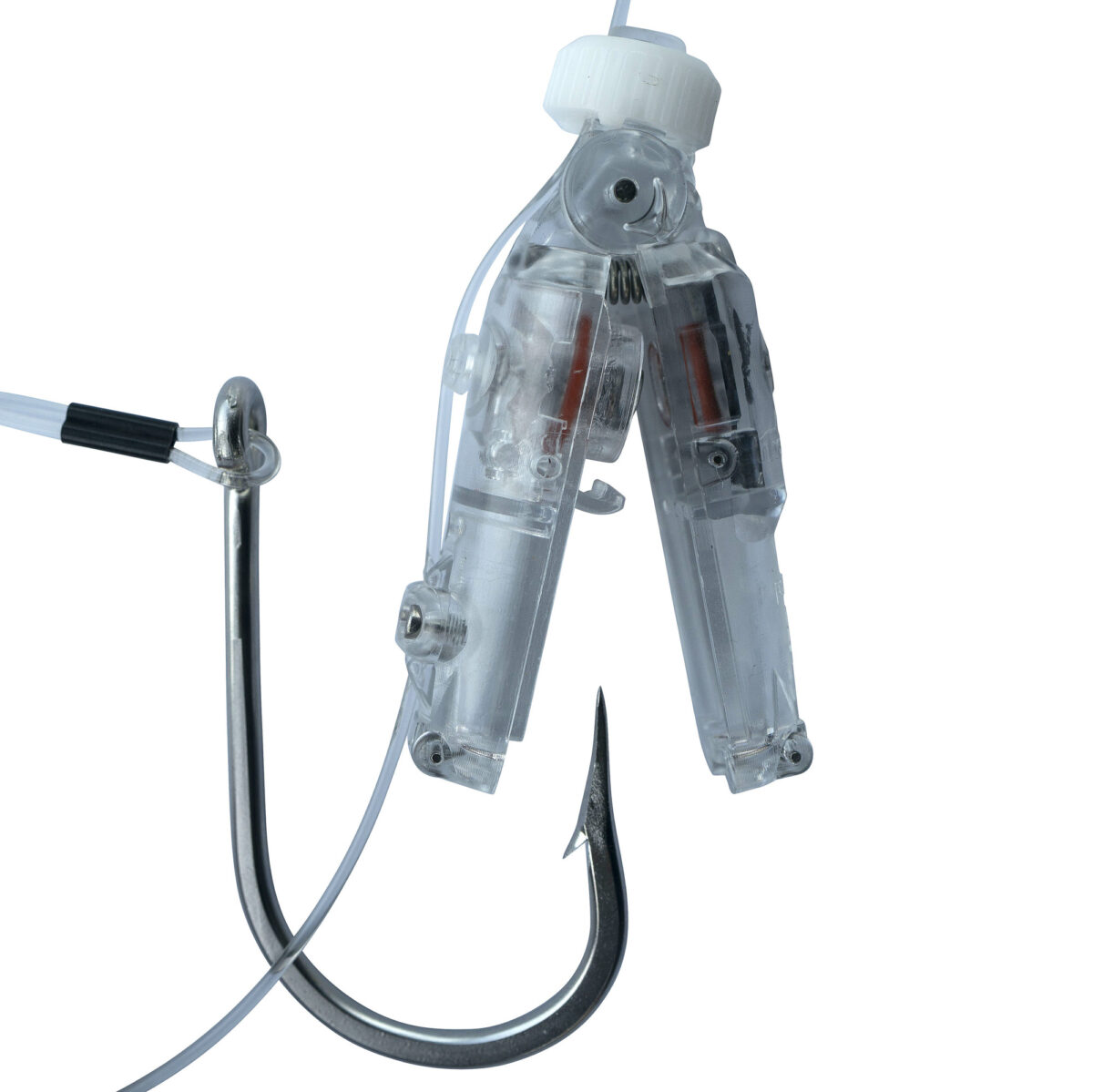
In 2019, SFP approached Aldi US, a longtime SFP partner, to help purchase Hookpods – which can dramatically reduce seabird bycatch – and donate them to tuna fishing vessels. Hookpods shield longline hooks as the gear is set in the water, preventing scavenging seabirds from getting caught on them. Once the device reaches a certain depth, a pressure release system is triggered, and the pod releases the baited hook into the water, out of reach of seabirds. Results have shown Hookpods to be 95% more effective than traditional practices in reducing seabird bycatch.
Unforeseen challenges delay the project start
In 2020, Aldi purchased 4,000 Hookpods to donate to longline tuna fishing vessels in the Western Central Pacific region, an area that accounts for about 51% of global tuna production and is also home to many endangered albatrosses. Unfortunately, before the project could even get off the ground, the COVID-19 pandemic disrupted the outreach needed to educate tuna fishers in the region about the opportunity to trial the gear.
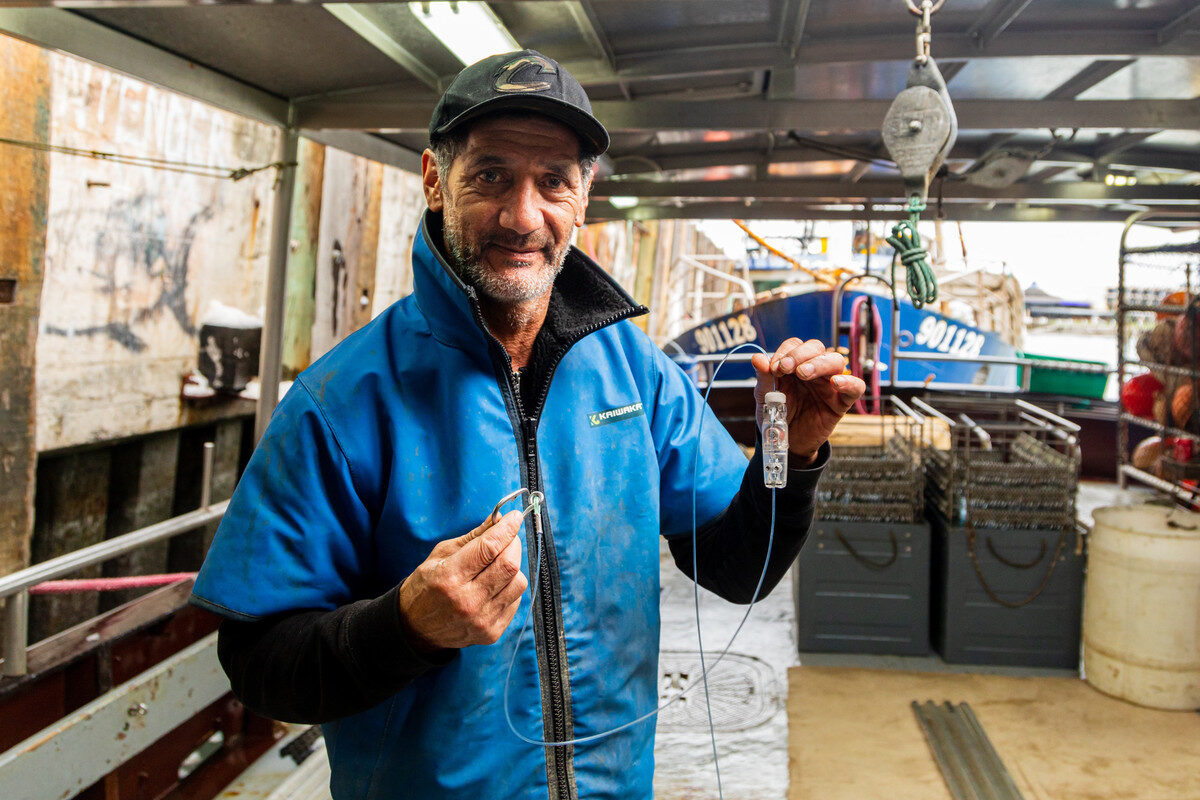
The project finally resumed in 2023, with Thai Union/Chicken of the Sea coming onboard as an additional partner. They facilitated the outreach, identifying 12 fishing vessels willing to try the Hookpods, and delivered the gear to them. Representatives from Hookpod trained fishers on how to use the new hooks. Many fishers don’t want to try new gear – and certainly don’t want to buy it – until they hear positive feedback from others. For that reason, the team decided to spread the donated Hookpods out over 12 vessels, to maximize the number of fishers and captains who were able to experience using the devices and hopefully lead to larger-scale adoption in longline tuna fisheries.
Pilots get under way – lessons learned and adaptations
The first pilot with these vessels deploying lines with Hookpods began in 2024. Each boat was given just over 300 Hookpods (to have extra in case of loss or damage). For each boat, the 300 Hookpods were deployed in two different configurations, to provide a good comparison against the traditional hooks.
A second pilot began in 2025, adapted with lessons learned from the first one. This time, the Hookpods are being used on a single vessel that reported a good experience with the gear. The vessel is also equipped with electronic monitoring (EM) cameras that can be used to confirm the Hookpods are deployed correctly and collect data on their effectiveness.
Sharing learnings with the world
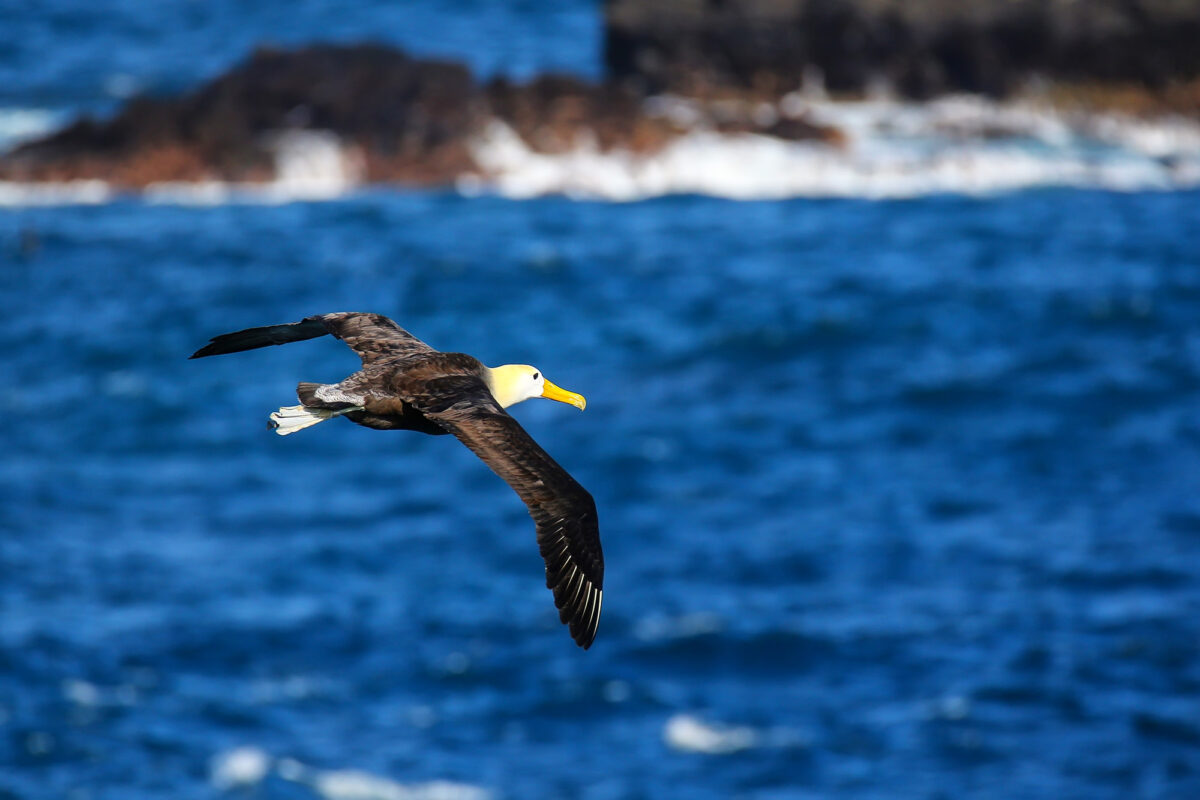
Pilots like these are extremely important for testing new gear in various environments and elements, especially in a fishery as broad as albacore in the Western Central Pacific ocean. The learnings from these trials will inform how to most effectively use and implement Hookpods on a larger scale.
Results from the trials will also be reported on SFP’s Bycatch Solutions Hub, an online platform that compiles examples of voluntary, industry-led adoption of best practices and innovations to protect ocean wildlife.
Related links
Partner with us
Contact us to learn more about how your company can partner with SFP to advance seafood sustainability.