
Impact Stories
Driving transparency in seafood supply chains through the Ocean Disclosure Project
SFP has been working to deliver greater transparency in the seafood industry for more than a decade by providing companies with a platform to voluntarily disclose their seafood sourcing.
The Ocean Disclosure Project (ODP) is an online reporting platform for voluntary disclosure of seafood sourcing, established by SFP in 2015 with the aim of bringing greater transparency to global seafood supply chains. Today, the ODP is an integral part of the tools and services offered by SFP to help businesses work toward their sustainability goals and enhance the visibility of their environmental performance. To date, nearly 50 companies from around the world have participated in the ODP, including some of the world’s largest retailers and seafood companies,

How the ODP works
The ODP promotes transparency in the seafood industry by encouraging companies to voluntarily disclose the wild-caught and farmed seafood that they source, as well as information about their corporate sourcing policies and commitments. By communicating information clearly to their stakeholders, companies can demonstrate their efforts to work toward their sustainability goals, while increasing their own accountability and enabling their stakeholders to make more informed buying and investment decisions.
For companies that choose to participate, the ODP provides a simple way to publicly disclose their seafood sources through a common reporting profile that identifies the origin of their seafood, along with sustainability and environmental information. Those profiles are then published on the ODP website where they can be freely accessed by anyone interested in sustainable seafood.
What’s included in an ODP Profile?
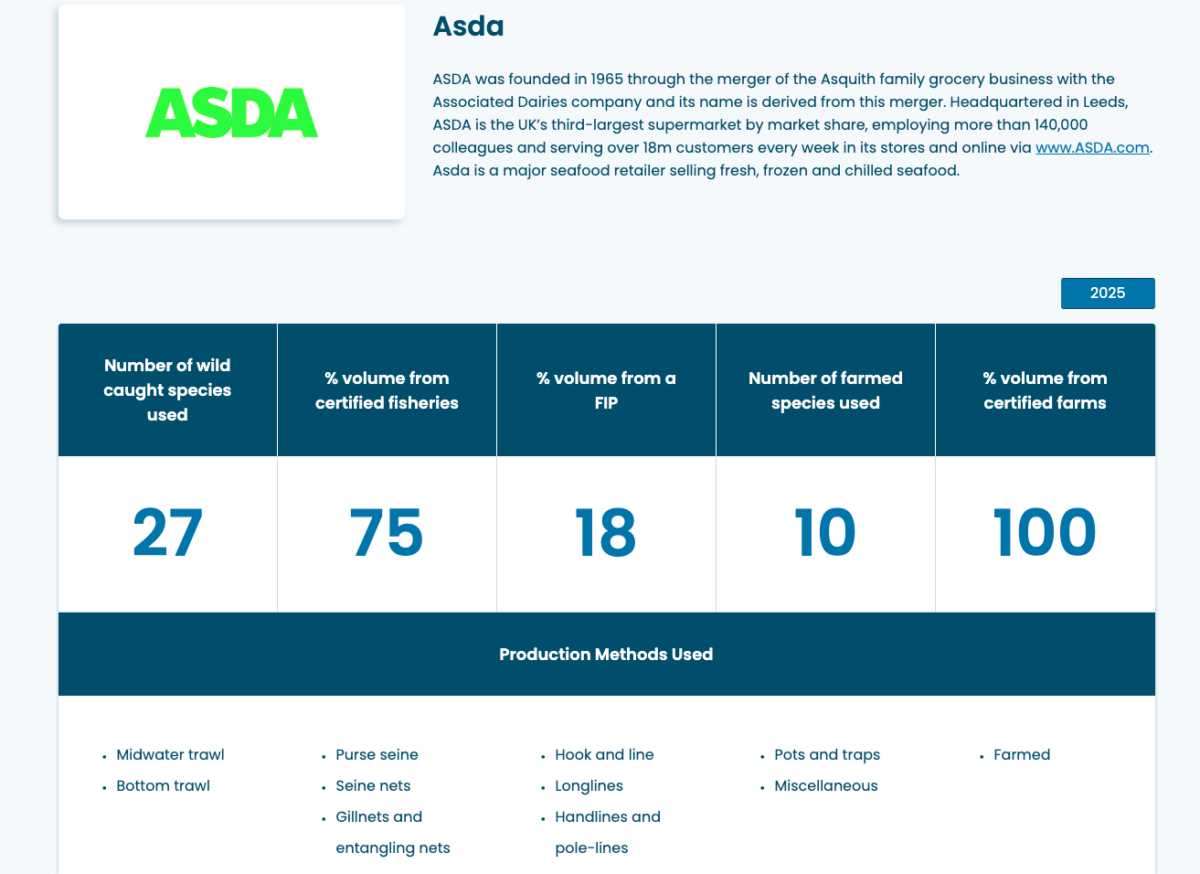
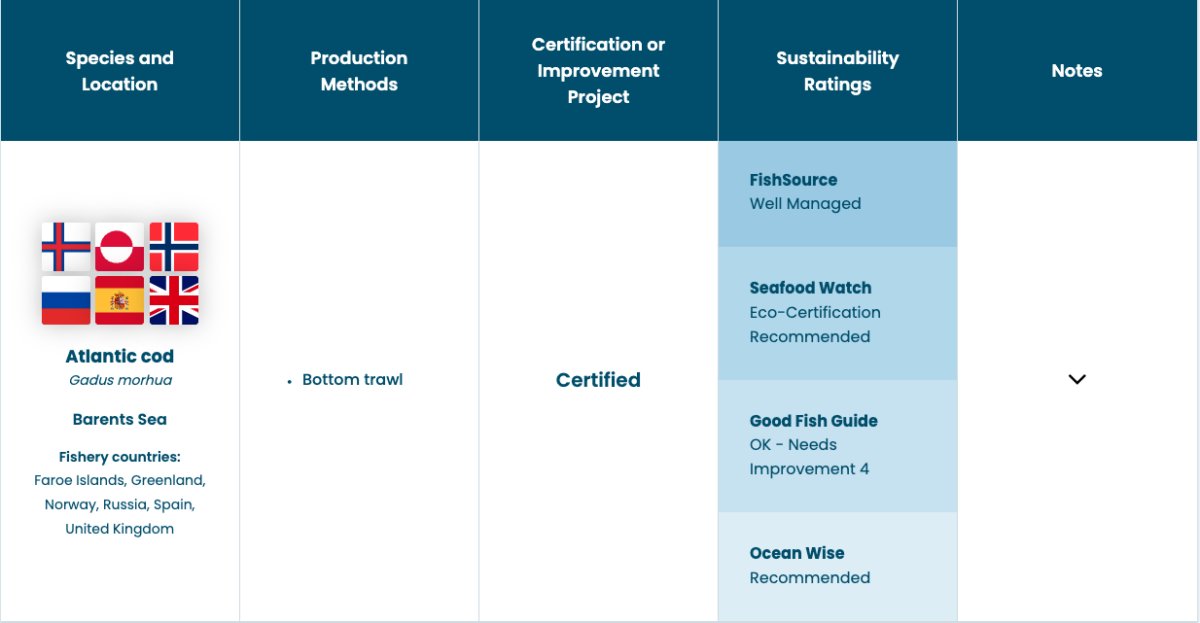
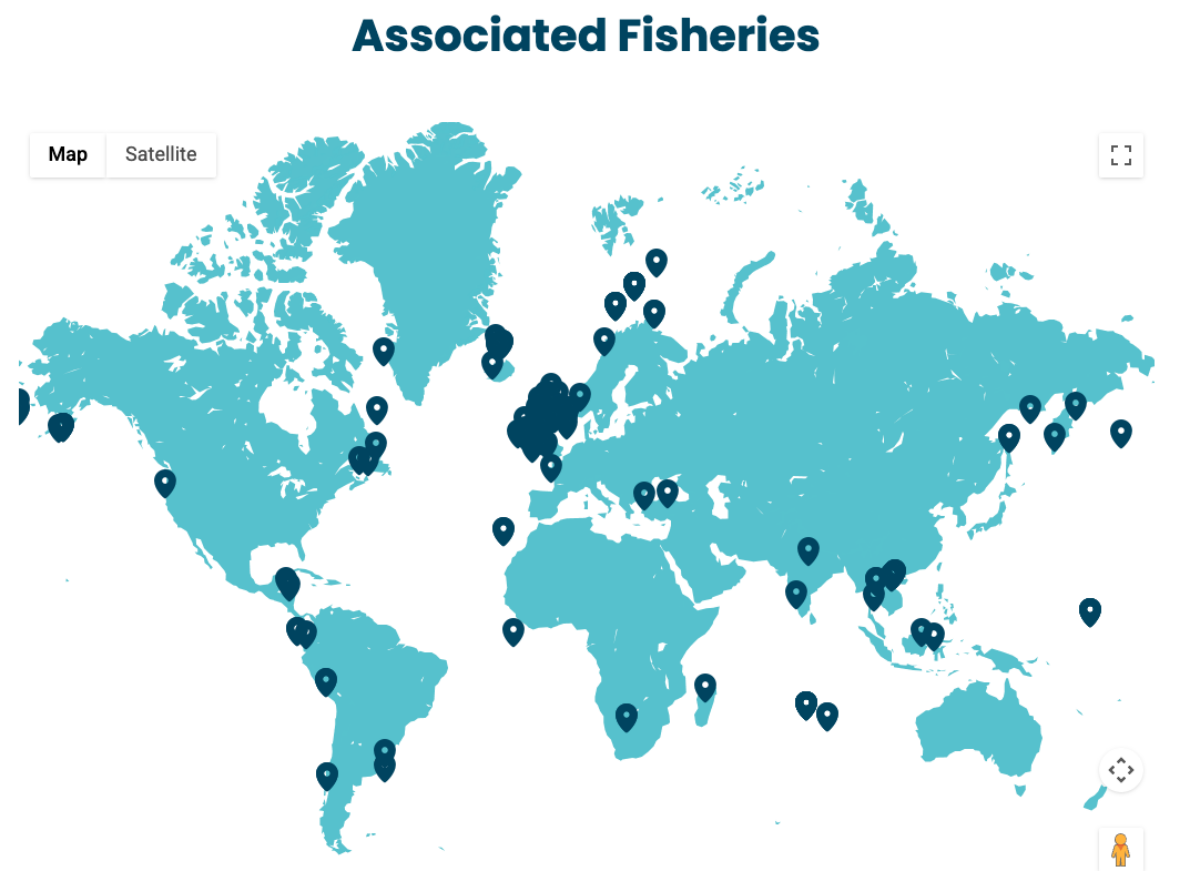
Each ODP profile includes the following:
- Company logo and history
- Company sustainability summary and hyperlinks to related content
- Selected key performance indicators (optional)
- Global map of seafood sources
- Detailed seafood source table showing the participating company’s sourcing in the previous year.
The story of the Ocean Disclosure Project
Launching a new initiative
2014: SFP pilots a new transparency-focused initiative with UK retailer Asda.
2015: SFP launches the ODP. Five founding participants in Europe – UK retailers Asda, Morrisons, and the Co-op, and aquaculture fish feed manufactures BioMar Norway and Skretting Norway – publish their first ODP profiles containing wild-capture fisheries. The ODP uses data from FishSource and profiles are published as PDFs.
2017: The ODP website is launched to provide an online platform for transparency in seafood. The first US-based companies participate.
Expanding the scope of disclosures
2019: The ODP incorporates seafood ratings from the Monterey Bay Aquarium’s Seafood Watch Recommendations, NOAA’s Fish Stock Sustainability Index, the Marine Conservation Society UK’s Good Fish Guide, and Ocean Wise’s Seafood Recommendations. The first ODP profile containing vessel data and farmed seafood sources is published by Asda.
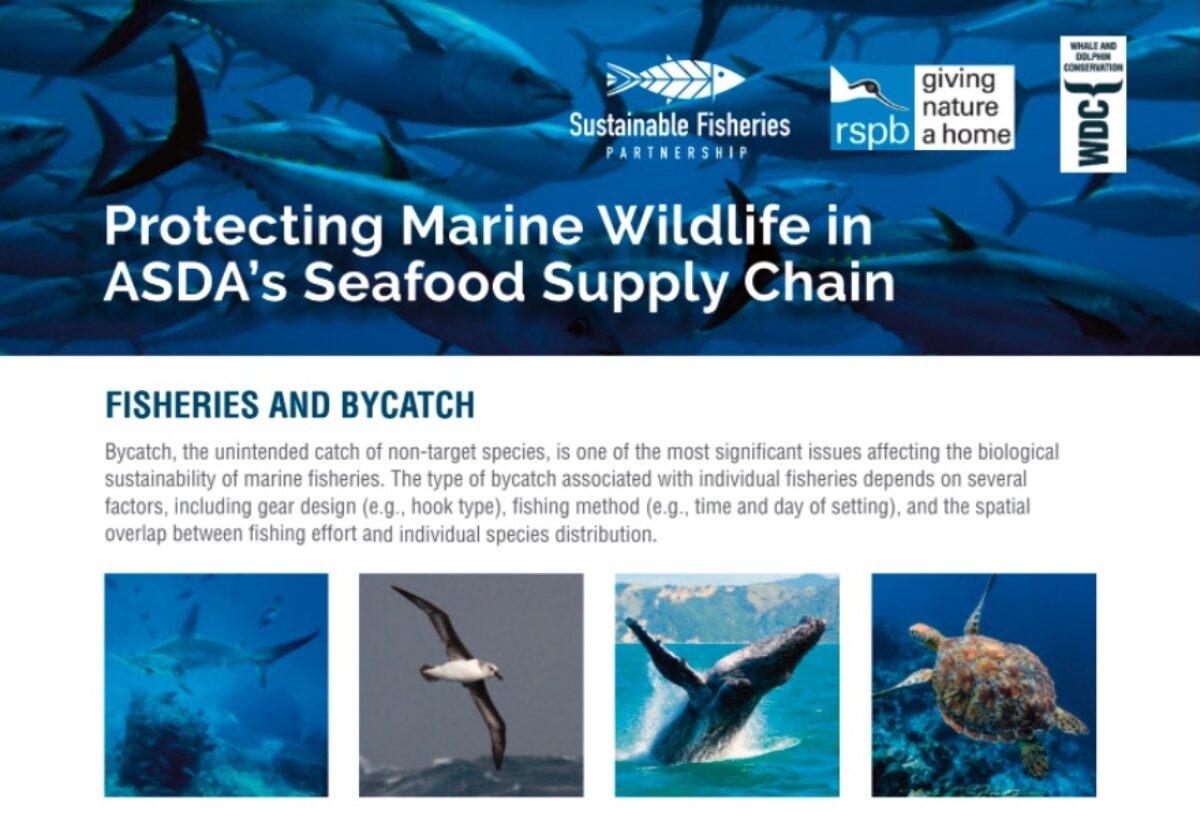
2020: More participants disclose their farmed seafood sources for the first time. The first ETP Bycatch Audit is published using fishery data from the ODP.
2021: The ODP incorporates FishSource scores for aquaculture into the seafood ratings. The initiative reaches a significant milestone, with almost all UK retailers disclosing their seafood sourcing through the ODP.
2022: Participation by new companies stalls, due in significant part to the impact of the COVID-19 pandemic. SFP continues to engage the seafood community and connect with new companies online during that period.
Growing participation
2023: The ODP records an increase in participation again by new companies, as well as companies renewing their profiles after several years of not doing so. The total number of participants increases to 44 by the end of 2023.
2024: The Global Squid Supply Chain Roundtable becomes the first Supply Chain Roundtable to participate in the ODP. The ODP records 48 participants – spanning retailers, suppliers, fish feed manufacturers, and a Supply Chain Roundtable – from across Europe, North America, Southeast Asia, and Australia.
2026: SFP celebrates 10 years of the ODP.
Looking to the future
Over the last 10 years, the ODP has transformed standards of transparency in the global seafood industry. Looking ahead, SFP recognizes the increasing demands on companies to report on a wide range of environmental, social, and governance issues. These demands will inform the ODP’s development going forward, as we continue to grow the number of participating companies around the world.
We will explore opportunities to collaborate with other organizations, and continue to review and adapt the ODP reporting template, methodology, and website in response to the changing needs of participants and other stakeholders. This includes evaluating opportunities for expanding the scope of disclosures by, for example, incorporating unique FAO fishery IDs, vessel data, and more information relating to impacts on endangered, threatened, and protected marine species from FishSource.
“…The Ocean Disclosure Project allows investors to understand the sustainability performance of individual companies regarding seafood and supports high-quality dialogues that can lead to real positive change in the way we manage the oceans.”
–Abigail Herron, Global Head of Nature Policy, Aviva Investors
“Publishing data as part of the Ocean Disclosure Project underlines our commitment to transparency right across our supply chains, as we continue to drive up standards in environmental sustainability.”
– Giles Bolton, Responsible Sourcing Director, Tesco
Related Links
Ocean Disclosure Project website
Ocean Disclosure Project flyer (2024)
News releases
Asda achieves global first in reporting on sustainable seafood (2014)
European companies take the lead in seafood transparency (2015)
Ocean Disclosure Project launches as new website (2017)
Ocean Disclosure Project now includes corporate commitments (2017)
Ocean Disclosure Project reveals expanded information format and new participant logo (2019)
Ocean Disclosure Project joins forces with FishChoice for Seafood Transparency (2019)
Top UK Seafood Products May Pose Risks to Sharks, Seabirds, Marine Mammals and Sea Turtles (2020)
Blogs
SFP’s Ocean Disclosure Project: A new platform for transparency (2017)
Ocean Disclosure Project Website Celebrates One-Year Anniversary (2018)
Increase the transparency of your seafood sourcing
Contact SFP to learn more about how your company can participate in the Ocean Disclosure Project.