
Protecting Ocean Wildlife
Protecting Seabirds
Seabirds migrate across the globe and spend the majority of their lives at sea, where they face risks of unintended capture by commercial fishing gear.
Seabirds, including shearwaters, petrels, albatrosses, and others, are found in oceanic and coastal waters around the world. They are long-lived species that typically return to land for nesting, producing only a few young per year and at a later age when compared to many land bird species. This makes their populations vulnerable to many threats, including the introduction of non-native species to nesting sites and unintended capture in commercial fisheries. These threats have led to the decline in population sizes of many species. The adoption and use of mitigation efforts in commercial fisheries is a key component in the conservation of seabirds.
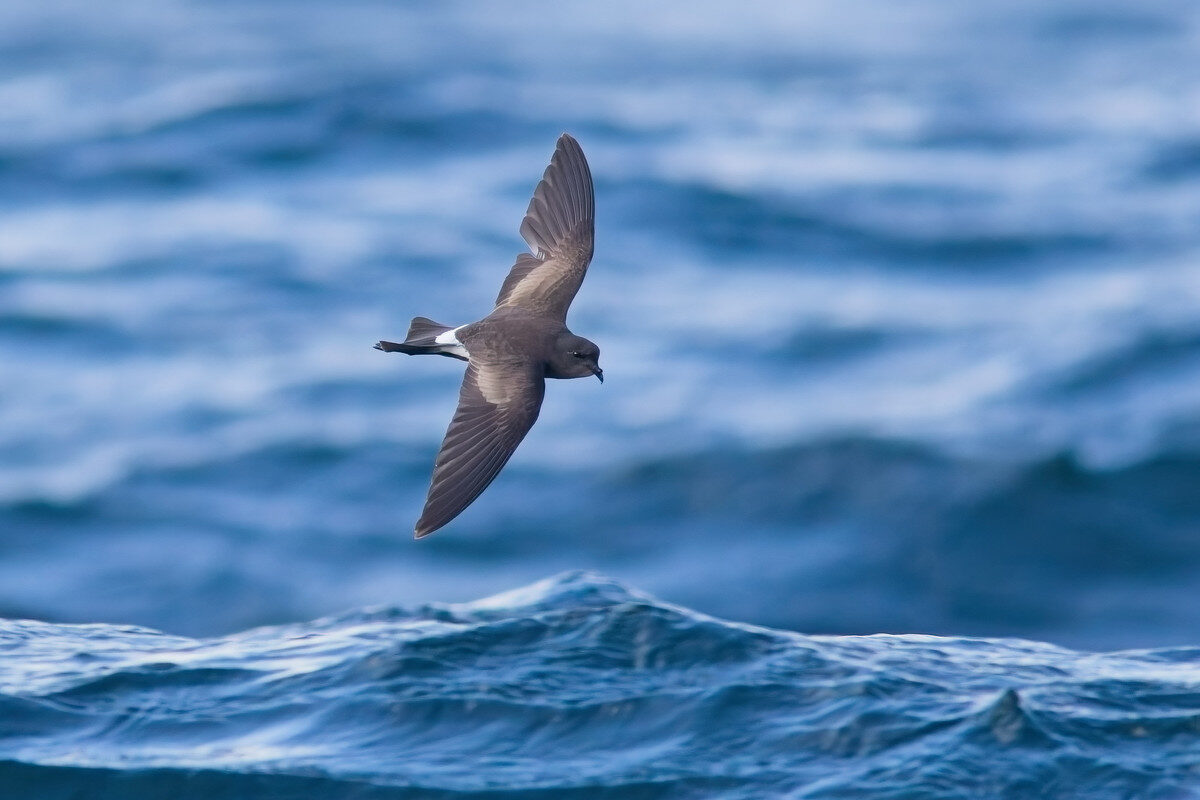
Projects that protect seabirds
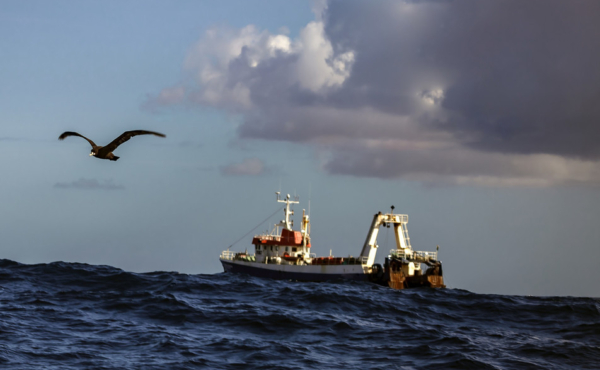
Seabird Safe Fishing Toolkit
Seabird Safe Fishing Toolkit
Seabird-safe fishing involves the use and monitoring of effective practices to prevent the capture of seabirds. Designed for fishing businesses that want to be more seabird-safe, this toolkit is aimed at pelagic longline fishing vessels greater than 24 meters, in any ocean.
Seabird-safe tuna hook
Seabird-safe tuna hook
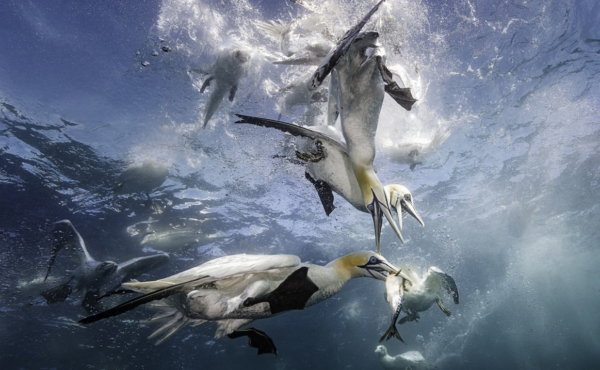
The Procella hook, a new seabird-safe tuna hook, provides fishers with a simple way to reduce seabird deaths. The hook is weighted so it sinks quickly when the longline is being set, giving seabirds very little time to grab the baited hook before it sinks below the depth they can dive to.
Help protect seabirds in commercial fisheries
Email SFP’s Protecting Ocean Wildlife team to learn more about our work and how you can help.