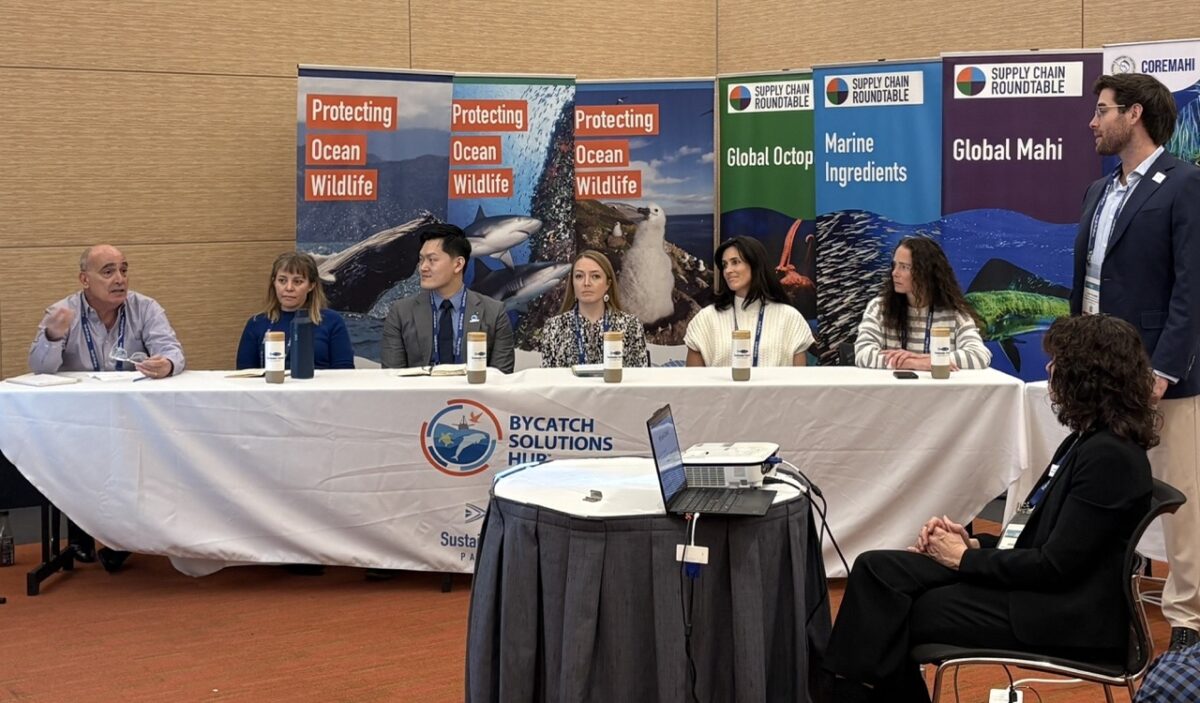
(L-R) Michael Cohen, International Seafood Sustainability Foundation; Leah Buckley, Global Fishing Watch; Ho-Tu Chiang, Ocean Outcomes; Meghan Martin, The Nature Conservancy; Michelle Beritzhoff-Law, FishWise; Alexia Morgan, SFP Protecting Ocean Wildlife Manager, and session moderator Cody Pajunen, SFP Fisheries Policy and Information Analyst
NGOs should support companies that are willing to make transparency commitments and help them meet their goals, panelists at our first-ever Tuna Transparency Science Fair said today.
The six panelists represented a range of NGOs that have tools to help illuminate activities at sea, so that companies can better monitor and verify key happenings throughout their first-mile supply chain operations.
The key is “seeking progress not perfection,” said Michael Cohen of the International Seafood Sustainability Foundation, whose Proactive Vessel Register (PVR) and Vessels in Other Sustainability Initiatives (VOSI) tools help companies monitor activity at the vessel level. Transparency was once thought of as a “gotcha,” with companies worried that someone was going to call them out on their actions, he said, but now it is seen as an important tool to understand progress in relation to policy commitments, identify gaps, and figure out what needs to be done.
Meghan Martin of The Nature Conservancy and Ho-Tu Chiang of Ocean Outcomes, who both work on electronic monitoring (EM) for social and environmental issues echoed this sentiment. Martin noted that EM is not a tool to “spy” on vessels but rather can actually help showcase good performance, allowing buyers and consumers to know that seafood has been caught legally and responsibly, and helping vessel owners gain insight into the operational performance of their vessels.
Chiang added that it is important to help vessel owners and companies understand what is meant by transparency. Some think it means that they need to share every little detail and all their vulnerabilities, so he emphasizes that it is really about accountability and responsibility to help not just with external verification but also to strengthen internal management.
Michelle Beritzhoff-Law, of FishWise, which offers supply chain consulting on a variety of issues, said that the first step in driving transparency in a tuna supply chain is actually improving traceability. “Traceability is the how, transparency is the who,” she said. Gathering basic information to start can help companies understand risks and figure out which tools they need to access to increase their transparency.
Leah Buckley of Global Fishing Watch, said that tools such as GFW’s Vessel Viewer and Marine Manager can complement government vessel monitoring systems (VMS) and strengthen public transparency by enabling more cross-checking of data and reducing exposures to IUU fishing.
Looking to the future, SFP Ocean Wildlife Manager Alexia Morgan noted that more and more businesses are pledging to increase their coverage and data collection and signing on to commitments such as TNC’s Tuna Transparency Pledge. This leaves them with the need to credibly demonstrate that they are actually doing what they’ve pledged to do, which is something NGO tools such as SFP’s Tuna Sustainability Dashboard can help with.
These companies can help show others that such commitments can be met, and the NGO community should work together and be supportive to help them do so, the panelists agreed. “One of the really beautiful things about the Tuna Transparency Pledge is that it is a pre-competitive initiative,” with companies willing to make the commitment and “aim to achieve” its goals, Martin said. “Maybe they won’t make it, but that’s almost not the point. The point is they’re in this initiative now and they are working toward the goals.”
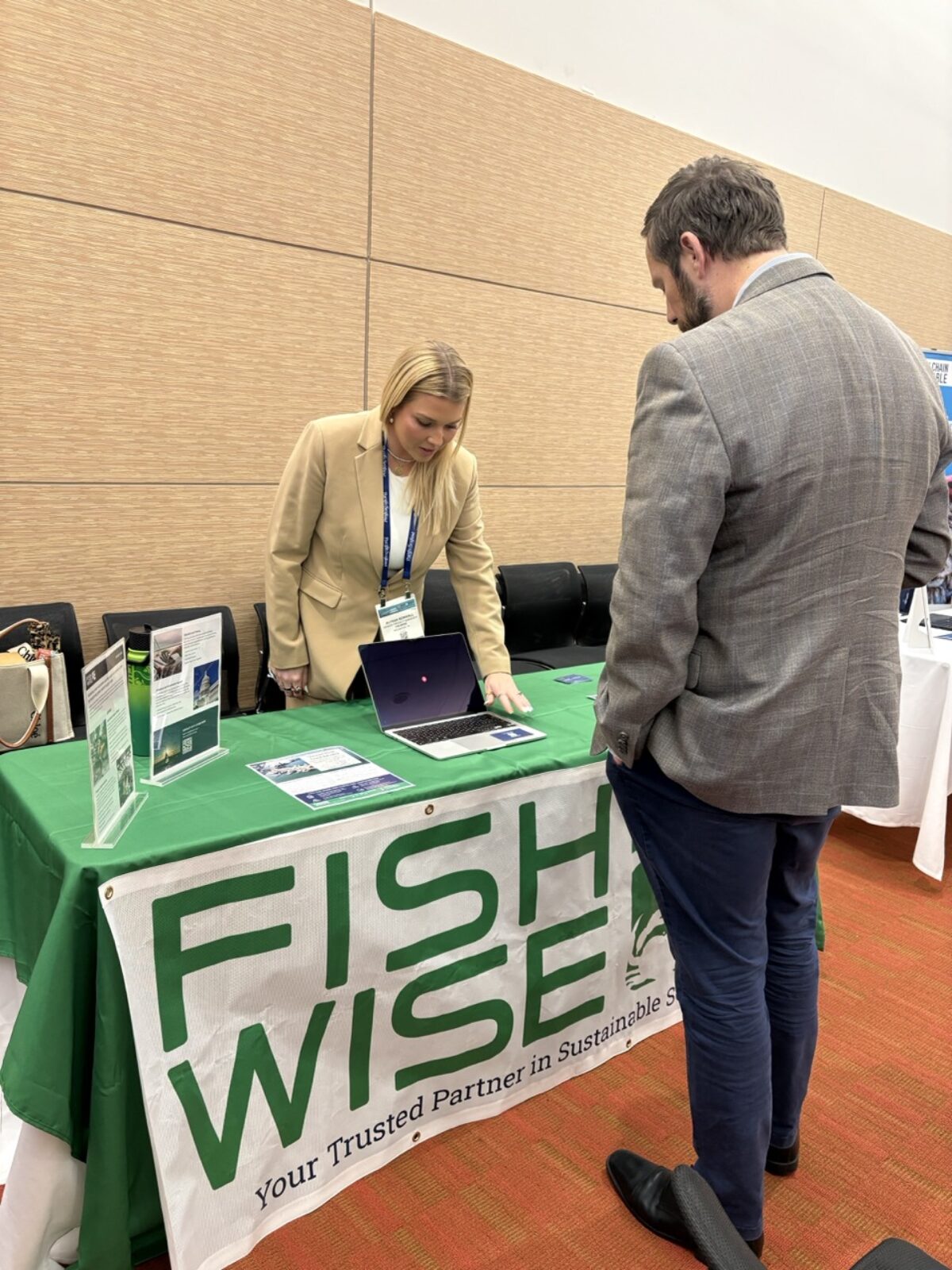
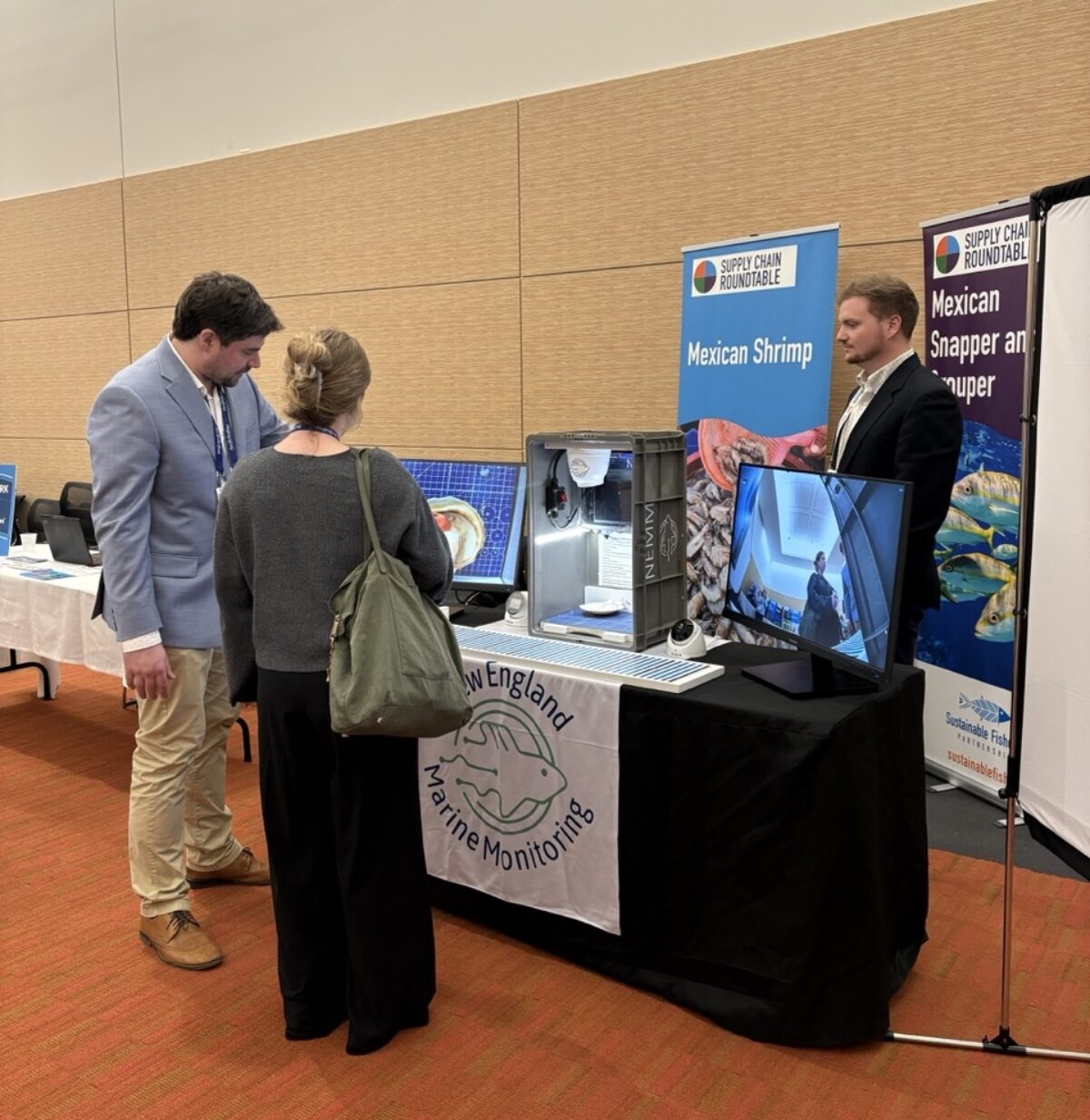
Following the panel, the room transformed into the Science Fair portion of the event, allowing participants to interact with representatives from various organizations and learn firsthand about the solutions they have to offer. Exhibitors included FishWise, Global Fishing Watch, New England Marine Monitoring, Ocean Outcomes, the Seabird Safe Toolkit, The Nature Conservancy, and SFP’s Tuna Sustainability Dashboard.