Impact Stories
Facing the challenge of multispecies management in Gulf of Thailand mixed trawl fisheries
Collaboration by industry, governments, NGOs, and scientists has helped restore the health of fisheries in the Gulf of Thailand and improve the livelihoods of the fishers and processors who depend on them.
Spanning an area of nearly 400,000 square kilometers, the Gulf of Thailand Large Marine Ecosystem (GoT LME) is considered a global center of shallow-water marine biodiversity, home to crucial habitats such as coral reefs, seagrass, and mangroves. The area provides vital marine-based ecosystem services, including food security, nutrition, and livelihoods, critical both to coastal and inland populations and the export economies of the GoT countries. More than 800,000 people depend on the GoT’s marine fisheries, which produce about 1.8 million tonnes of fish, worth over USD 2.2 billion, each year.
From the 1960s to the early 2000s, commercial fisheries in the Gulf of Thailand were actively developed to provide food and employment. However, a lack of controls on the numbers of fishing vessels led to a significant overfishing problem and altered the overall fish populations in favor of smaller, faster growing species. Fishers turned to these smaller species to supply the rapidly growing aquaculture industry, which was being promoted as an export earner.
By the early 2000s, decades of weak governance, an excessive number of vessels, overexploitation, widespread use of non-selective gear, and illegal, unreported, and unregulated (IUU) fishing had rapidly degraded the resource base, threatening both the ecosystem and the livelihoods of the region’s fishers and processors. Coastal and marine habitats were also under threat from coastal degradation, mangrove depletion, pollution, and other impacts beyond the fisheries sector.
Over time, the combined efforts of industry, governments, NGOs, and scientists have helped turn the tide toward improved fishing practices and fishery and ecosystem health. SFP has been working with a broad coalition of stakeholders to improve fisheries in the Gulf of Thailand for more than 15 years.
A timeline of collaboration in the Gulf of Thailand mixed trawl fisheries
Raising the alarm
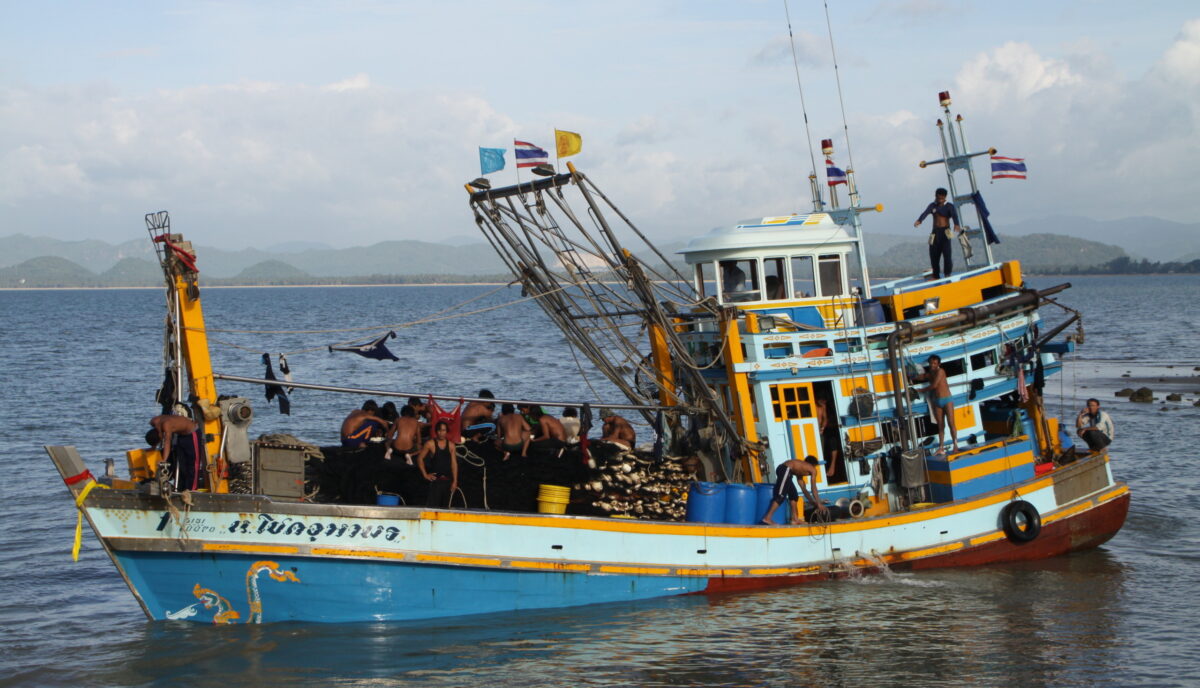
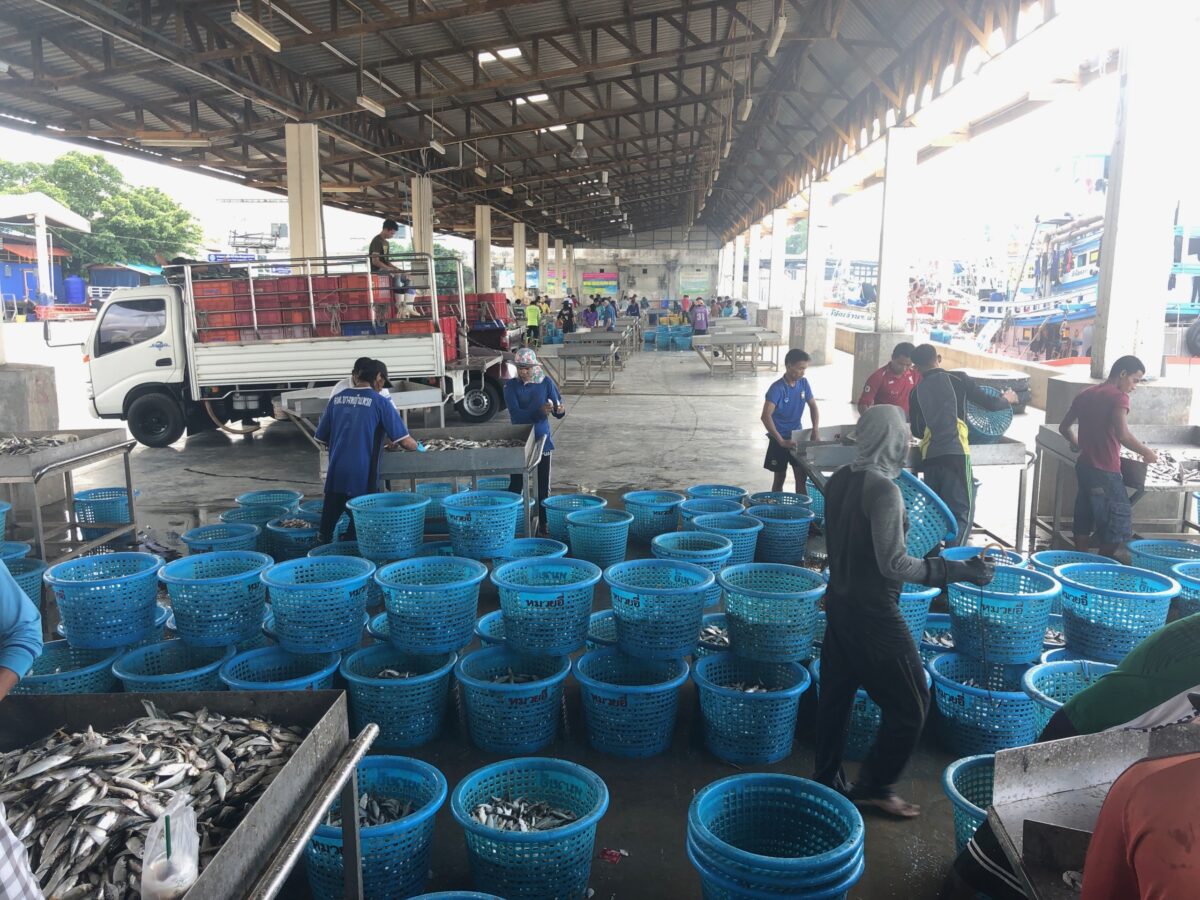
Early 2000s: NGOs, scientists, and seafood industry stakeholders begin to amplify concerns about unsustainable practices in Gulf of Thailand and other Southeast Asian mixed trawl fisheries. These fisheries use fine mesh trawl nets to catch hundreds of the smaller species used to produce surimi, fish sauce, and other products for direct human consumption, as well as other species and “trash fish” for production of marine ingredients.
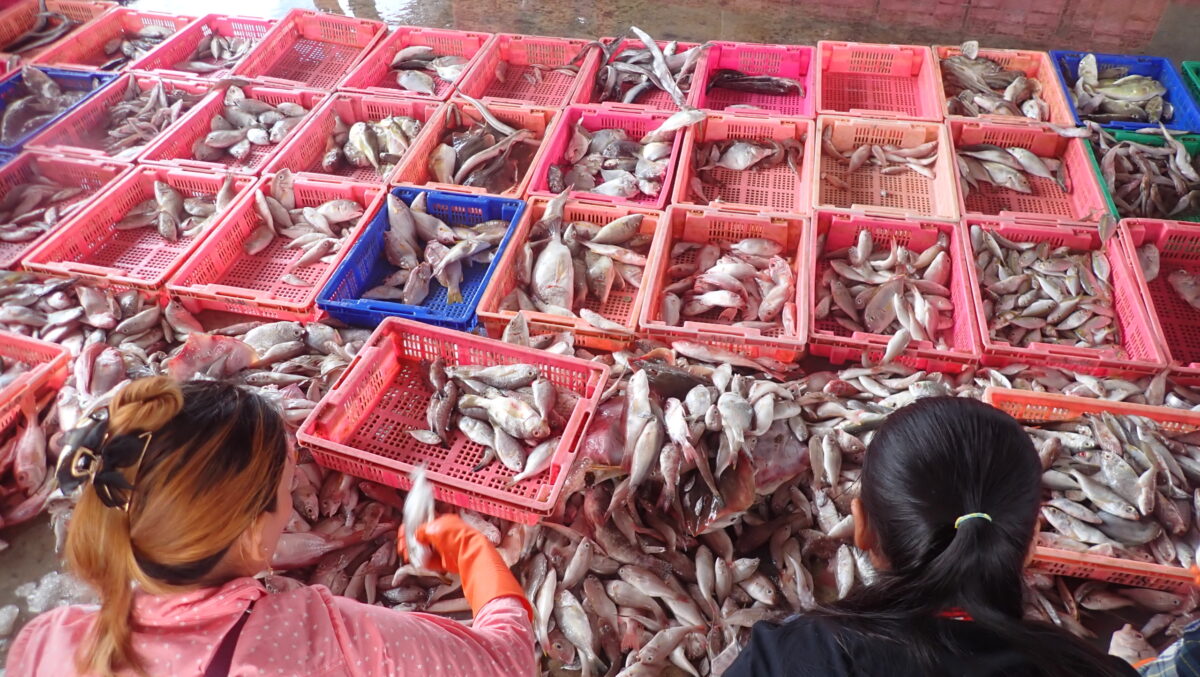
Evidence continues to show overfishing and bycatch issues in these fisheries. In addition to indiscriminately capturing endangered, threatened, and protected species in their trawl nets, the fishing vessels also catch many juveniles of commercial species that would be much more valuable if they were allowed to grow bigger and reproduce.
2009: SFP releases a briefing for our industry partners, explaining the sustainability issues in fisheries that supply the raw materials for aquaculture feed, such as the mixed trawl fisheries in the Gulf of Thailand.
Developing tools and standards
In the early 2010s, growing industry awareness about the importance of addressing sustainability in fisheries that supply the raw materials for fishmeal and fish oil led to the development of a series of tools and standards.
2010: SFP provides input into the first feed mill standards, developed as part of the Global Aquaculture Alliance’s Best Aquaculture Practices.
2010-11: SFP works with the International Fishmeal and Fish Oil Organisation (IFFO) to develop an improvers scheme as part of their Responsible Supply (RS) standard, which certifies fishmeal and fish oil factories. The Improvers’ Programme is launched in 2011, allowing factories that would not otherwise achieve full IFFO certification to progress gradually against a series of auditable milestones.
Shining a light on fisheries challenges in the region
2011: SFP releases a video that includes footage from Thai fish meal plants and interviews with Thai fishermen, highlighting the ecosystem and livelihood impacts of overexploitation and bycatch in the mixed trawl fisheries. At the same time, concerns begin emerging around human rights abuses in regional fisheries.
2011-2012: The increased attention to issues in the Gulf fisheries spurs European companies to engage. SFP and IFFO hold several meetings and sponsor field trips with Asian fish feed and fishmeal producers and European farmed seafood importers to discuss the need for better fisheries management in mixed species trawl fisheries. SFP begins talking to stakeholders about developing a FIP for the fishery.
2013: International news stories reveal environmental damage and human rights abuses in some Southeast Asian fisheries. In keeping with our philosophy of not abandoning problem fisheries, SFP urges the aquaculture supply chain to work together to improve these fisheries.
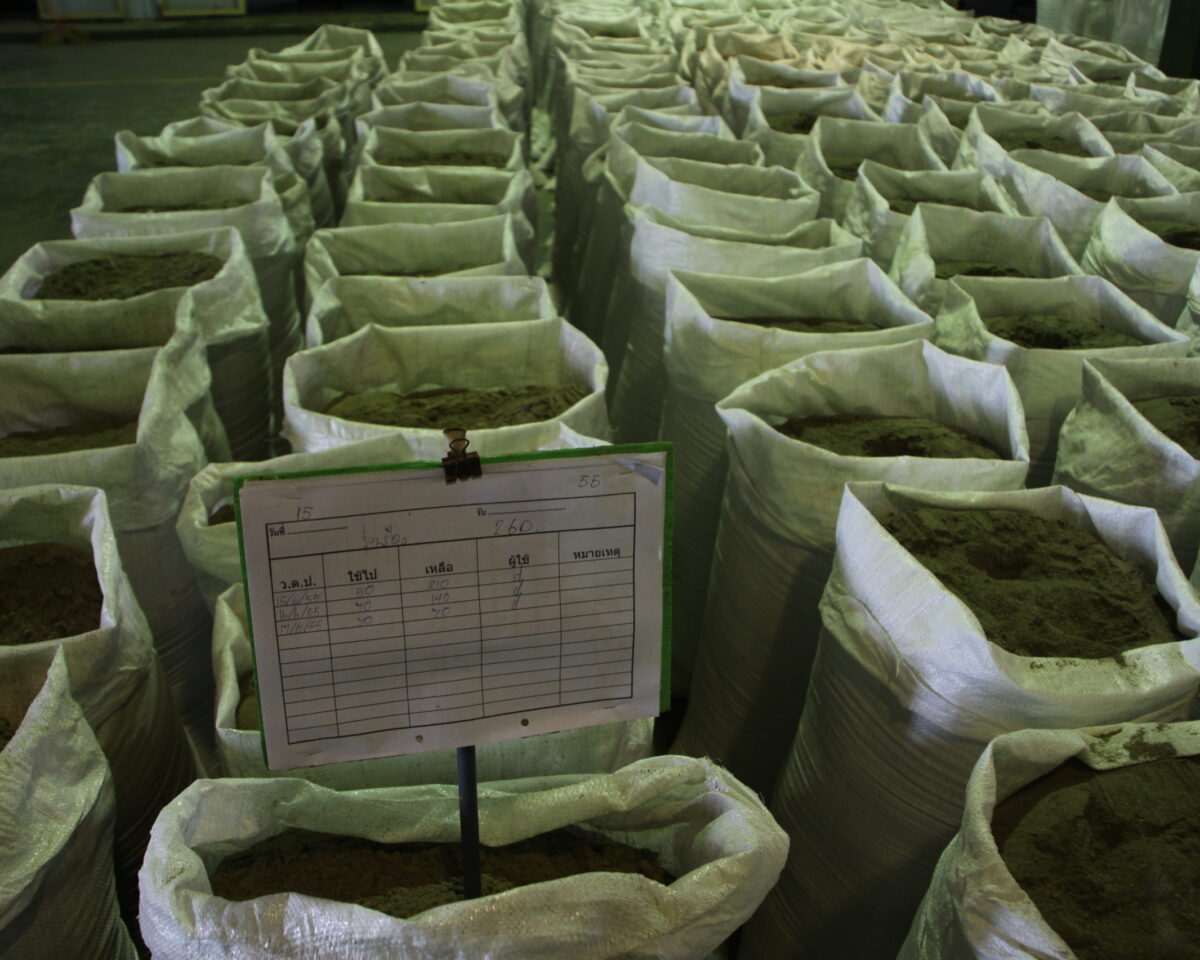
Industry begins organizing to tackle the challenges
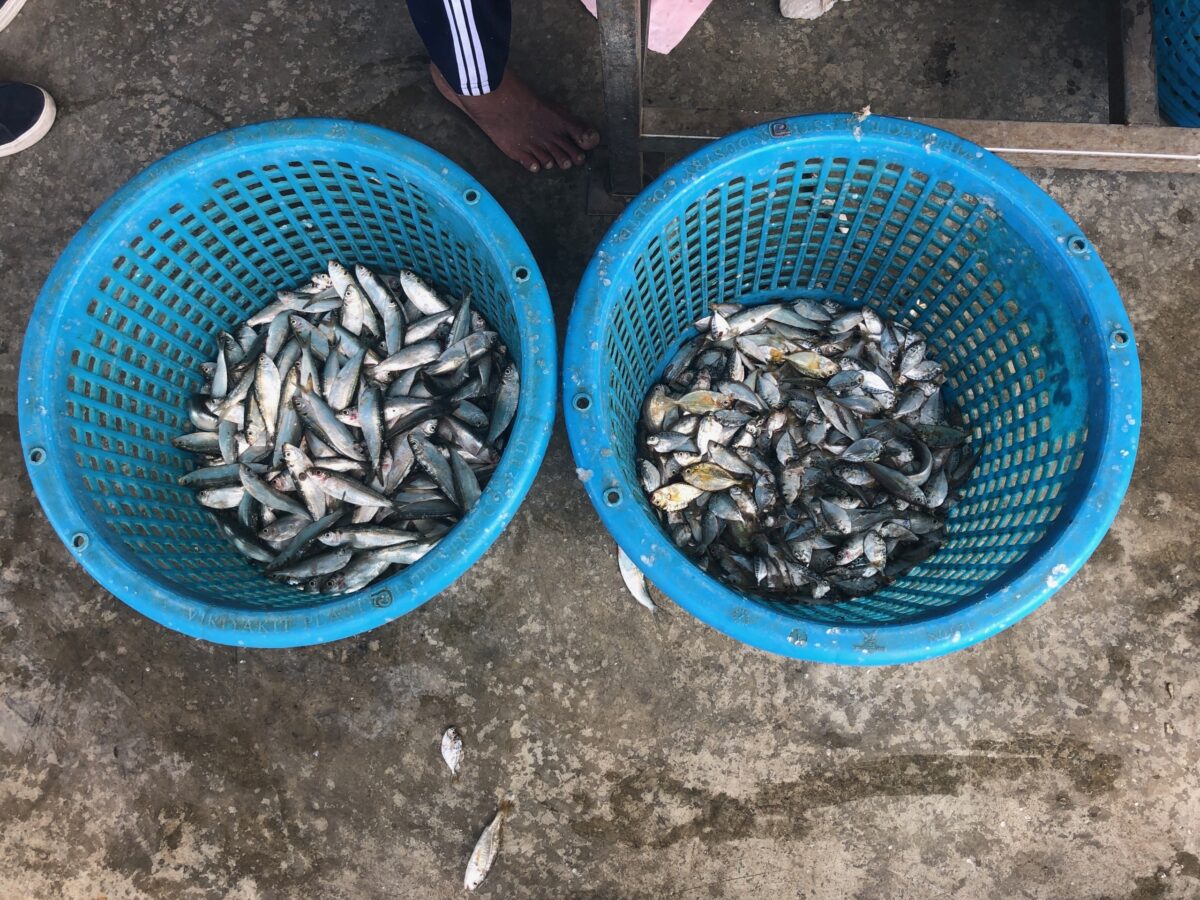
2013: The new Thai Sustainable Fisheries Roundtable (TSFR) brings together leading Thai seafood-related trade associations to collaboratively address environmental issues in Gulf of Thailand and Andaman Sea fisheries. SFP signs an MoU with TSFR to provide guidance and advice on improvement efforts. The group begins laying the groundwork for a fishery improvement project (FIP) in the Gulf of Thailand.
2013: At a meeting of the Roundtable in Bangkok, SFP announces the launch of a Southeast Asia fishery improvement project (FIP). The FIP will focus on four separate projects, two in Vietnam and two in Thailand.
2013: SFP contributes to the Food and Agriculture Organization of the United Nations’ Asia-Pacific Fishery Commission guidelines on tropical trawl fisheries.
Ramping up improvement efforts
2015: The European Union (EU) places a “yellow card” on Thailand, due to unacceptable levels of IUU fishing. This ruling spurs advocacy from European and other Western seafood buyers to advance fishery improvement efforts in the Gulf.
2016: TSFR and the Thai government announce their official cooperation to adopt international fishing standards in the Gulf of Thailand, paving the way for the formal launch of the Gulf of Thailand Mixed-Trawl Fishery FIP. The FIP’s stated goal is to achieve IFFO RS certification. Similar multispecies FIPs are also launched in the Ben Tre and Kien Giang provinces of Vietnam.
2017: SFP establishes the Asian Reduction Fisheries Supply Chain Roundtable, focused on Asian fisheries that supply raw material for the production of fishmeal and oil for use in aquaculture feeds and other products.
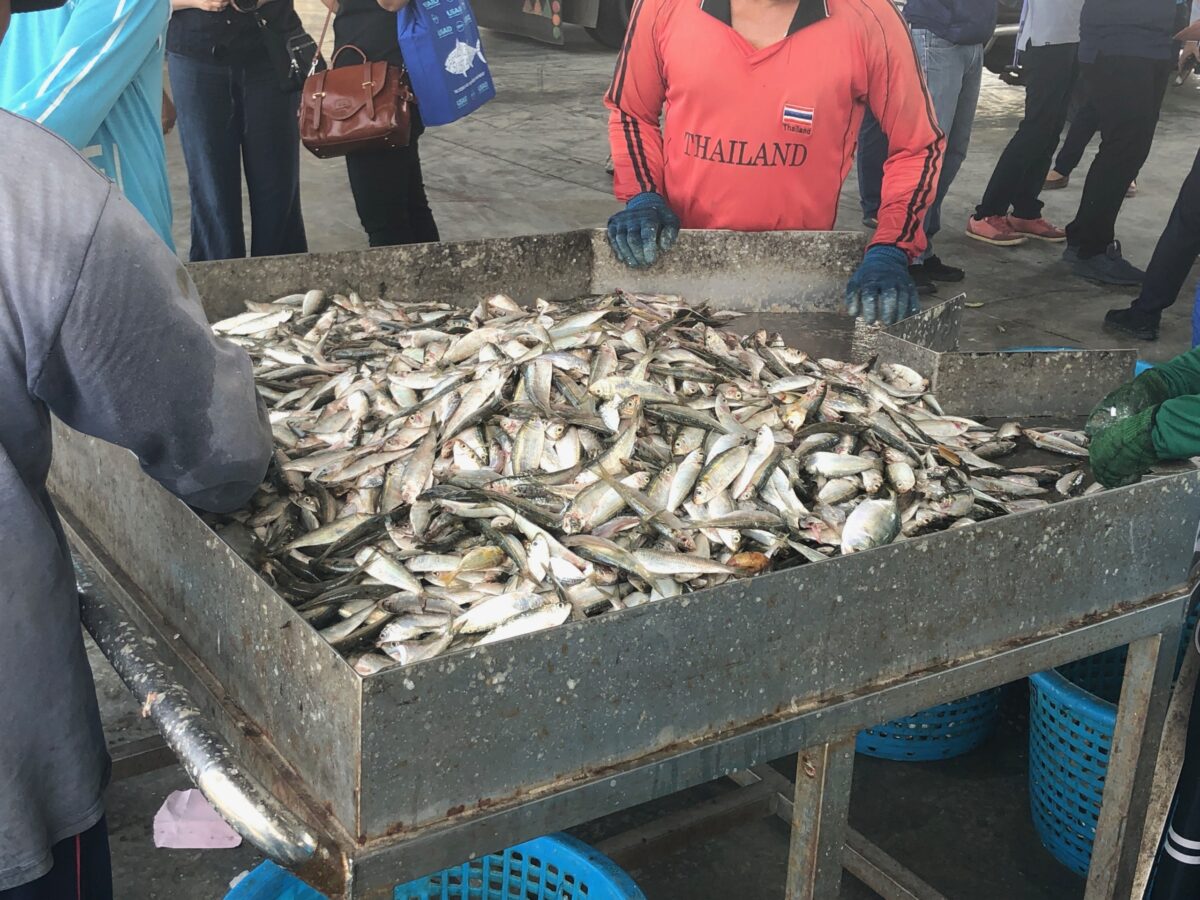
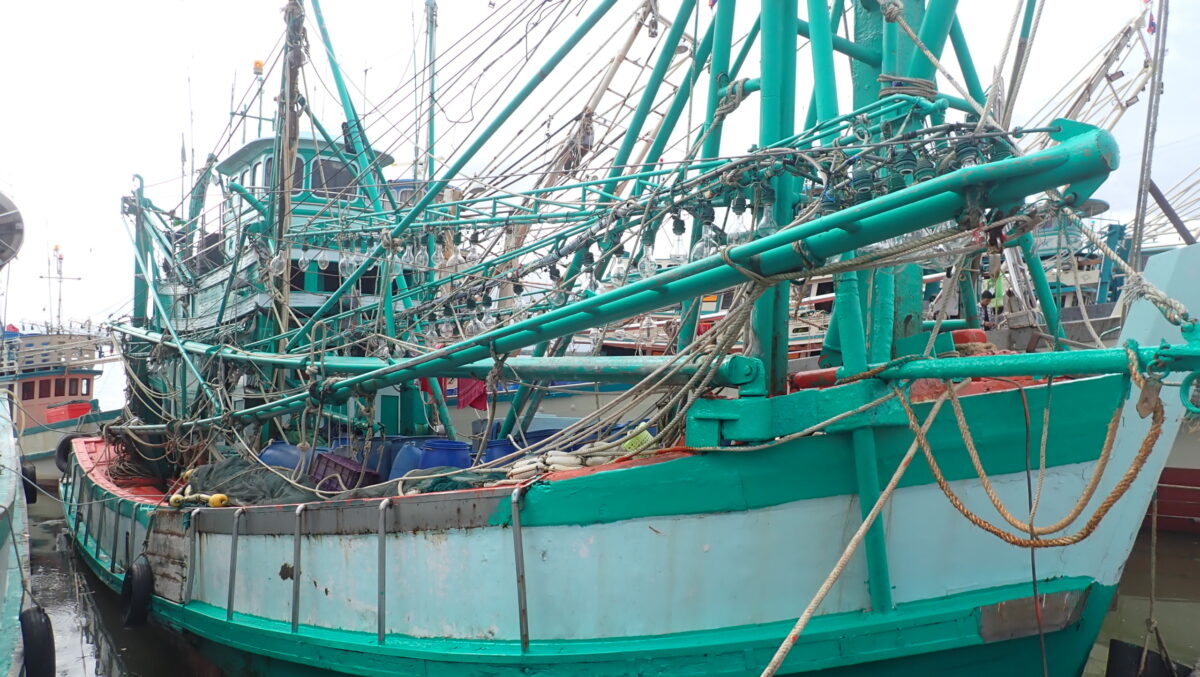
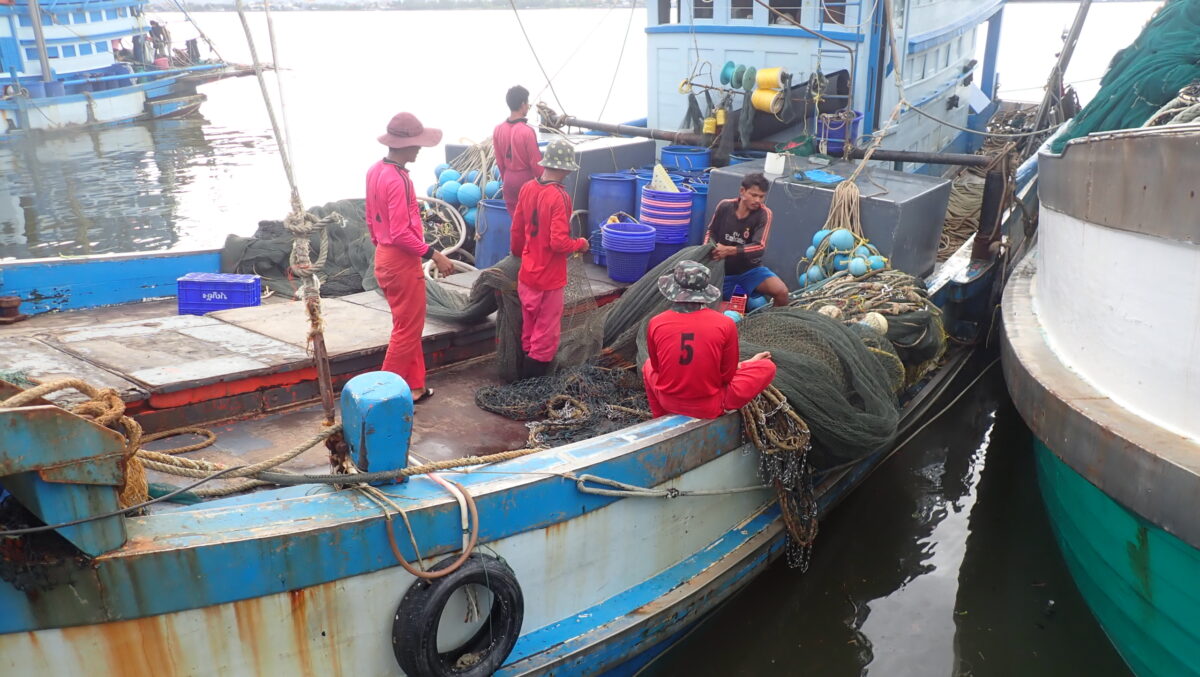
2018: The IFFO Responsible Supply (RS) Improvers Program launches a multispecies pilot project to test new criteria developed specifically to assess multispecies fisheries. This is the first seafood assurance program to approach multispecies fisheries.
2019: The increased effort by fishery stakeholders pays off when the EU lifts its yellow card on Thailand, acknowledging that the country has addressed shortcomings in its fisheries management.
2020: The Gulf of Thailand Mixed Trawl FIP is formally accepted into the MarinTrust Improvers Programme, the first-ever FIP to be recognized under MarinTrust’s special multispecies pilot project (MarinTrust is the new name of IFFO). While the FIP is primarily industry-driven, SFP’s team provides support and advocacy to make it a reality.
December 2022: The Gulf of Thailand Mixed Trawl Fishery FIP publishes a stock assessment report, demonstrating improvements in the fisheries.
Creating the GoTFish project
Industry action and awareness in the 2010s attracted the attention of the Food and Agriculture Organization of the United Nations (FAO), which saw an opportunity to engage with industry in the region, with a focus on the mixed trawl fisheries.
2018-2020: SFP is approached by the FAO Regional Office for Asia and the Pacific (FAO RAP) to discuss fisheries improvement and market incentives in the Gulf of Thailand. Following a regional workshop to begin preparing a project proposal, SFP organizes a support letter to the Global Environment Facility (GEF) signed by more than 30 SFP industry partners and seafood companies.
2021: SFP is invited to formally participate in the design of the FAO/GEF project during the Project Preparation Grant phase.
2021: SFP co-leads a stakeholder workshop convened by the FAO and the Southeast Asian Fisheries Development Center (SEAFDEC) to begin preparing a GEF-supported project to develop better management strategies for Gulf of Thailand fisheries.
2022: SFP co-leads an FAO workshop to finalize the project framework and approaches.
2023: The GoTFish Project is approved for implementation under the GEF. SFP is named as an executing agency, along with SEAFDEC and the University of Queensland.
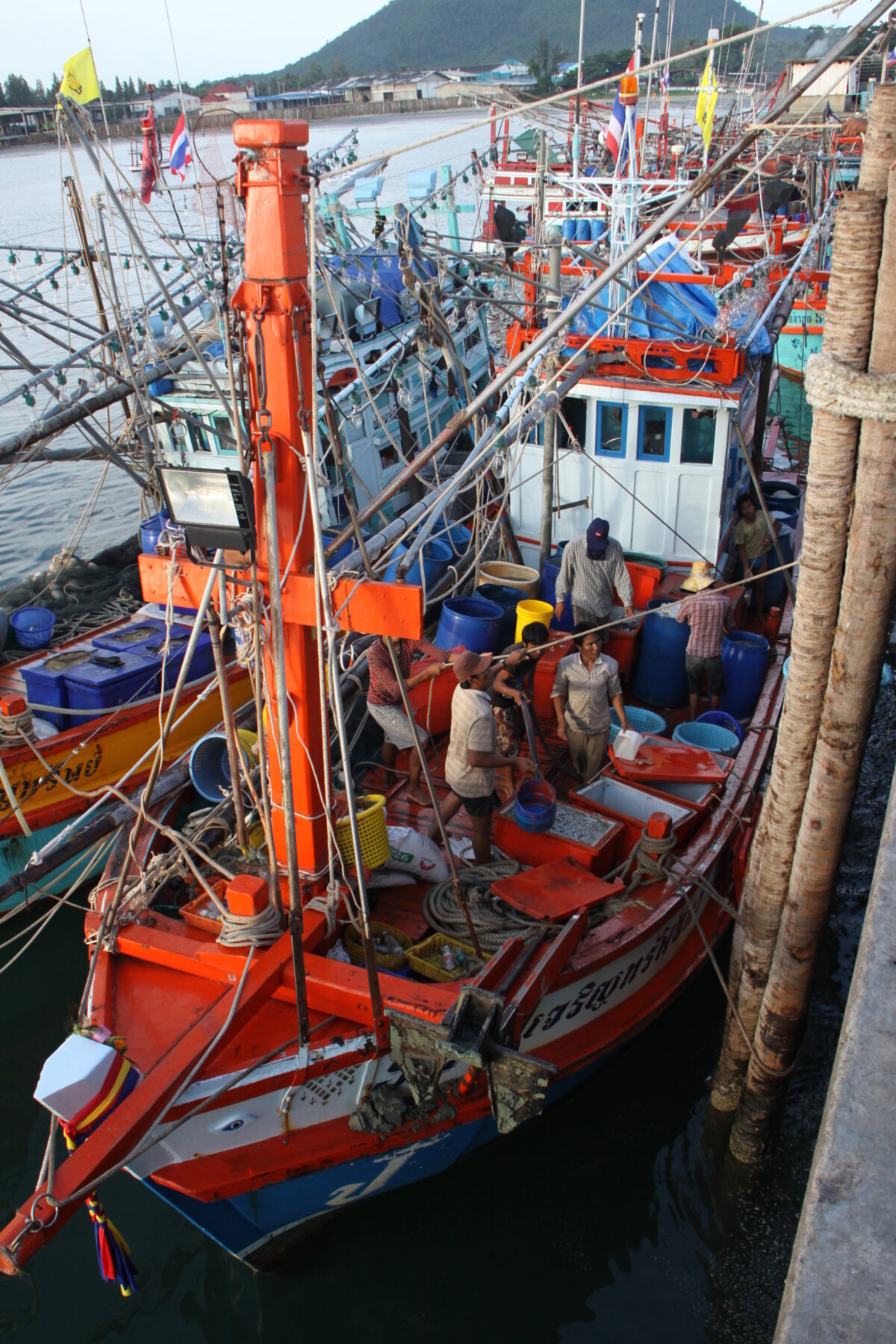
The project begins
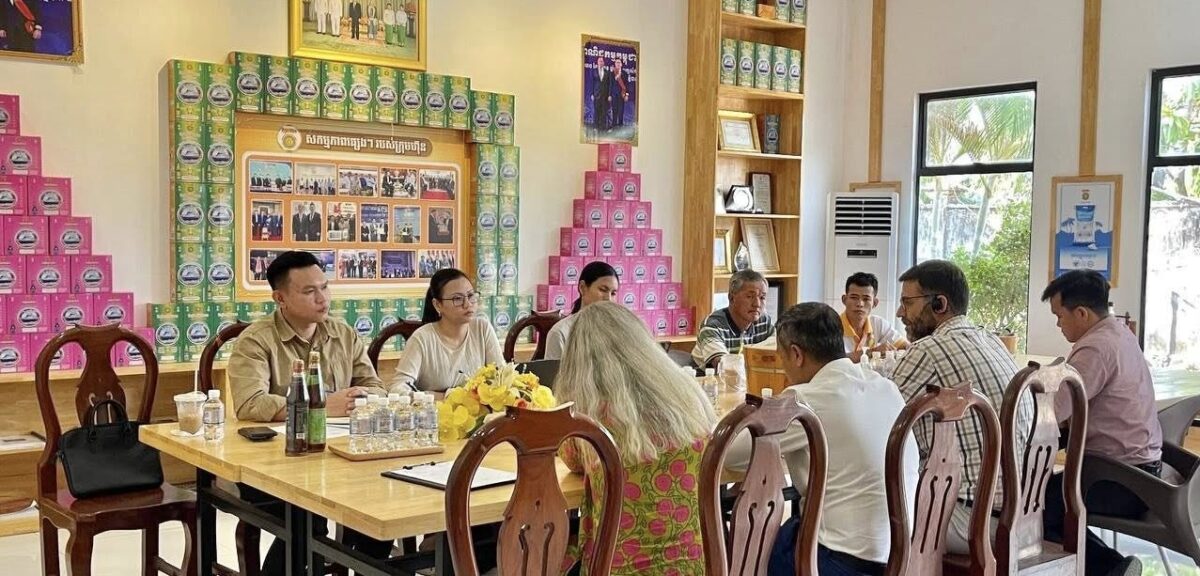
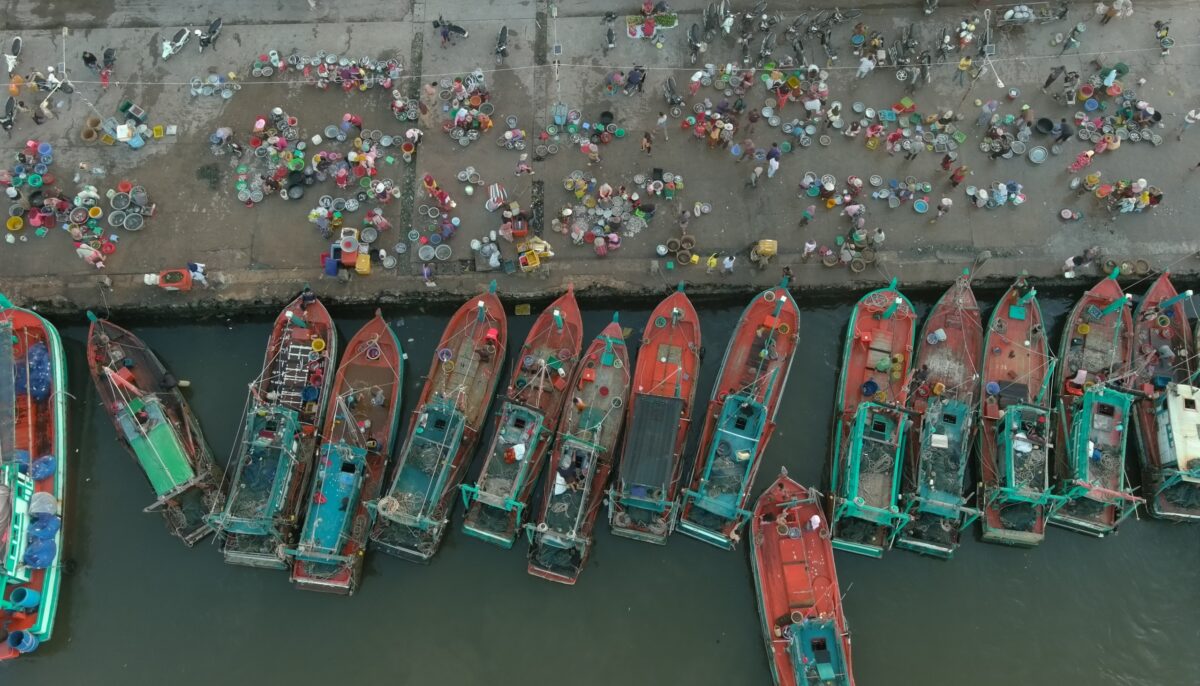
Late 2025: GoTFish project partners come together in Bangkok to begin operational planning of the project and hold the first meeting of the Regional Project Steering Committee.
SFP, SEAFDEC, the University of Queensland, the FAO, and the GEF officially launch the GoTFish project to secure the long-term health of the Gulf of Thailand’s fisheries by coordinating efforts in Cambodia, Malaysia, Thailand, and Viet Nam to address the growing threats facing the Gulf. The project has four central components: 1) strengthening regional transboundary fisheries governance and institutional capacity, 2) aligning market and behavioral incentives to support sustainable fisheries; 3) conserving critical aquatic habitats through ecological corridors, and 4) enhancing stakeholder engagement, communication and monitoring to ensure inclusive participation and effective knowledge sharing. SFP will lead efforts on Component 2, to leverage market influence and align buyers, suppliers, and producers toward responsible management of the multi-species trawl fishery that feeds marine ingredient production and the small pelagic fishery that supplies the fish sauce sector.
Related links
Strengthening Fisheries Governance in the Gulf of Thailand
First Regional PSC Meeting of the GoTFish Project Launched in Bangkok (Southeast Asian Fisheries Development Center, 2025)
Regional Inception Meeting of the Promoting the Blue Economy and Strengthening Fisheries Governance of the Gulf of Thailand through the Ecosystem Approach to Fisheries (GoTFish) (Southeast Asian Fisheries Development Center, 2025)
Global Environment Facility project page
Assessment of the condition of aquatic resources in Thai waters (Department of Fisheries, Ministry of Agriculture and Cooperatives, Thailand, 2022)