A behind-the-scenes look at snow crab sustainability efforts in Canada.
Join SFP’s Protecting Ocean Wildlife team in May 2027 in Halifax, Nova Scotia, to meet snow crab harvesters, gear techs, and others who are leading efforts to ensure a sustainable future for snow crab fisheries, while also protecting critically endangered whale species.
Participants will learn about the Canadian snow crab fishery and the marine wildlife that shares these waters with harvesters. We will highlight the years of innovative collaboration among various stakeholders to address the challenge of supporting the fishery while minimizing gear interactions with whales.
Planned itinerary (exact May 2027 dates TBD):
- Day 1: Arrive in Halifax, group dinner.
- Day 2: Tour the CANFish Gear Library, which lends innovative fishing technologies to harvesters to trial. Later that day, drive to Cape Breton for dinner and a tour of the fishing village and waterfront.
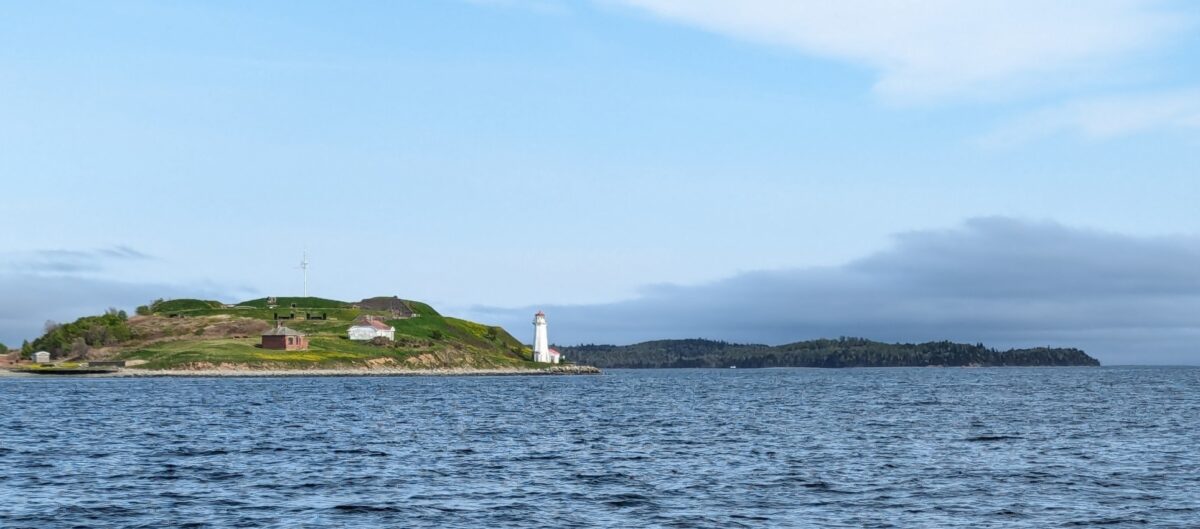
- Day 3: Harbor tour and (weather permitting) on-the-water demos of on-demand (“ropeless”) gear and smart buoys. Later, lunch and Q&A with harvesters and gear innovators.
- Day 4: Drive back to Halifax, depart.
Please note: Hotel, meals and transportation costs will be covered for this trip, but participants will need to arrange and pay for their own flights.
Contact SFP’s Protecting Ocean Wildlife team for more information or to express interest in joining this trip.
Learn more about the CanFISH Gear Lending Program and the use of smart buoys in the Gulf of St. Lawrence on SFP’s Bycatch Solutions Hub.
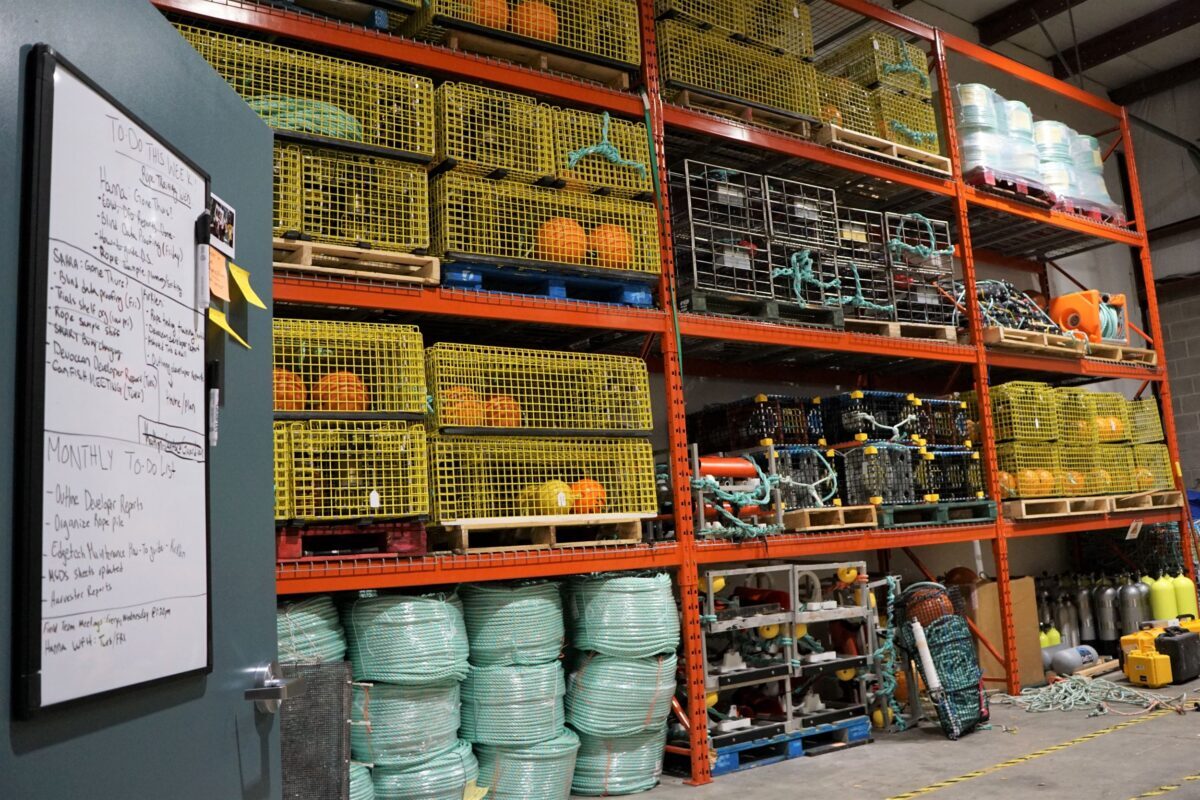
CanFISH gear lending library
The Gulf of St. Lawrence is home to the third-largest snow crab fishery in the world. Over the past decade, the southern Gulf has also become a key feeding ground for North Atlantic right whales. The current estimated population of right whales is less than 400, making it one of the most endangered whales in the world. Entanglement in fishing gear and ship strikes are the two main causes of death for this species.
Because of this threat, fishing areas are increasingly being closed to traditional gear types. While this protects whales, fishers suffer when prevented from accessing the fishing grounds that provide their livelihoods. Closures also cause disruptions to supply that cause challenges all along the supply chain.
On-demand fishing gear and smart buoys have emerged as potential solutions to allow fishing to continue during closures, while still protecting whales. The prevention and mitigation of entanglements with pot and trap fishing gear has become a top priority for harvesters, regulators, and marine mammal conservation NGOs.