
The GoTFish Project:
Strengthening Fisheries Governance in the Gulf of Thailand
SFP is collaborating with regional partners to secure the long-term health of fisheries in the Gulf of Thailand (GoT), one of the world’s most productive marine ecosystems.
The five-year initiative, known as the GoTFish project, will strengthen natural resource governance across the Gulf of Thailand to protect marine biodiversity, rebuild depleted fish stocks, and contribute directly to the objectives of the South China Sea Strategic Action Programme (SCS-SAP). The project aims to strengthen transboundary fisheries governance in Cambodia, Malaysia, Thailand, and Viet Nam to address the growing threats facing the Gulf.
Project goals
According to 2018 assessments, more than 40% of fish stocks in the GoT are already overexploited, as a result of weak governance, overfishing, the use of non-selective gear, and illegal, unreported, and unregulated (IUU) fishing. The GoTFish Project seeks to reverse this decline in three key fisheries in the Gulf: the demersal trawl fishery, the pelagic purse seine fishery, and the small-scale artisanal coastal fishery.
The project addresses critical institutional, market, and legal barriers to responsible fisheries management through four central components:
- Strengthening regional transboundary fisheries governance and institutional capacity (led by SEAFDEC)
- Aligning market and behavioral incentives to support sustainable fisheries and compliance (led by SFP)
- Conserving critical aquatic habitats through the identification and conservation of ecological corridors (led by University of Queensland)
- Enhancing stakeholder engagement, communication and monitoring to ensure inclusive participation and effective knowledge sharing (led by SEAFDEC).
“Promoting the Blue Economy and Strengthening Fisheries Governance of the Gulf of Thailand through the Ecosystem Approach to Fisheries”
Project funder: The Global Environment Facility (GEF)
Project implementer: Regional Office for Asia and the Pacific (RAP) of the Food and Agriculture Organization (FAO) of the United Nations
Project partners: Sustainable Fisheries Partnership, The Southeast Asian Fisheries Development Center (SEAFDEC), and the University of Queensland
Project dates: 2026-2030
SFP's role
As the Executing Agency for Component 2, SFP is leading efforts to leverage market influence and align buyers, suppliers, and producers toward responsible resource management, by tailoring improvement frameworks for complex tropical fisheries and developing responsible seafood sourcing programs. This work will concentrate on two key value chains: the multi-species trawl fishery that feeds marine ingredient production and the small pelagic fishery that supplies the fish sauce sector. Lessons learned will help support improvements and responsible sourcing throughout Southeast Asia.
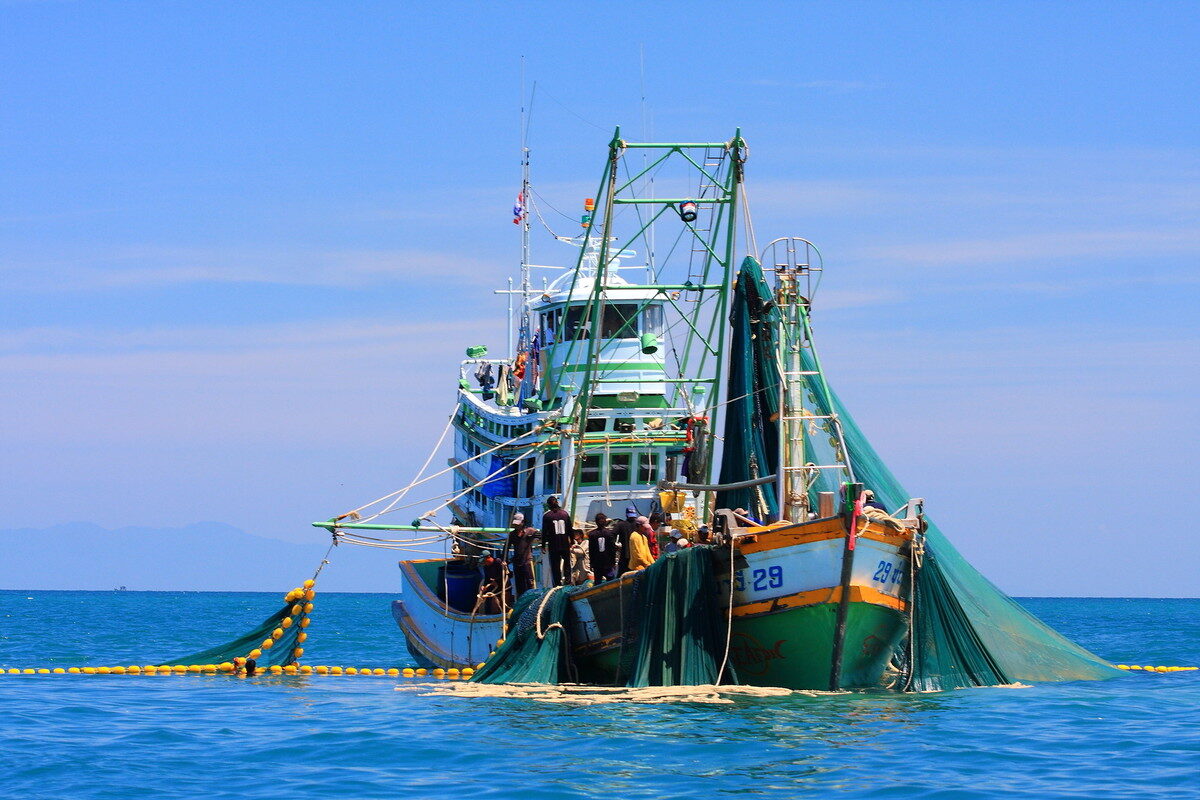
Multi-species trawl fishery
This multi-species trawl fishery supplies marine ingredients for many products, including aquaculture, poultry and livestock feed, pet food, surimi, and canned fish and other products for human consumption. SFP will work with partners to implement improvements in this fishery, guided by the MarinTrust Improver Programme’s multi-species pilot, two existing improvement projects in Thailand and Vietnam that are already recognized by MarinTrust under the pilot, and an FAO toolkit for scientists and managers on good management in multi-species fisheries. As part of this work, SFP will develop a multi-species assessment method for FishSource.
Small pelagic fishery
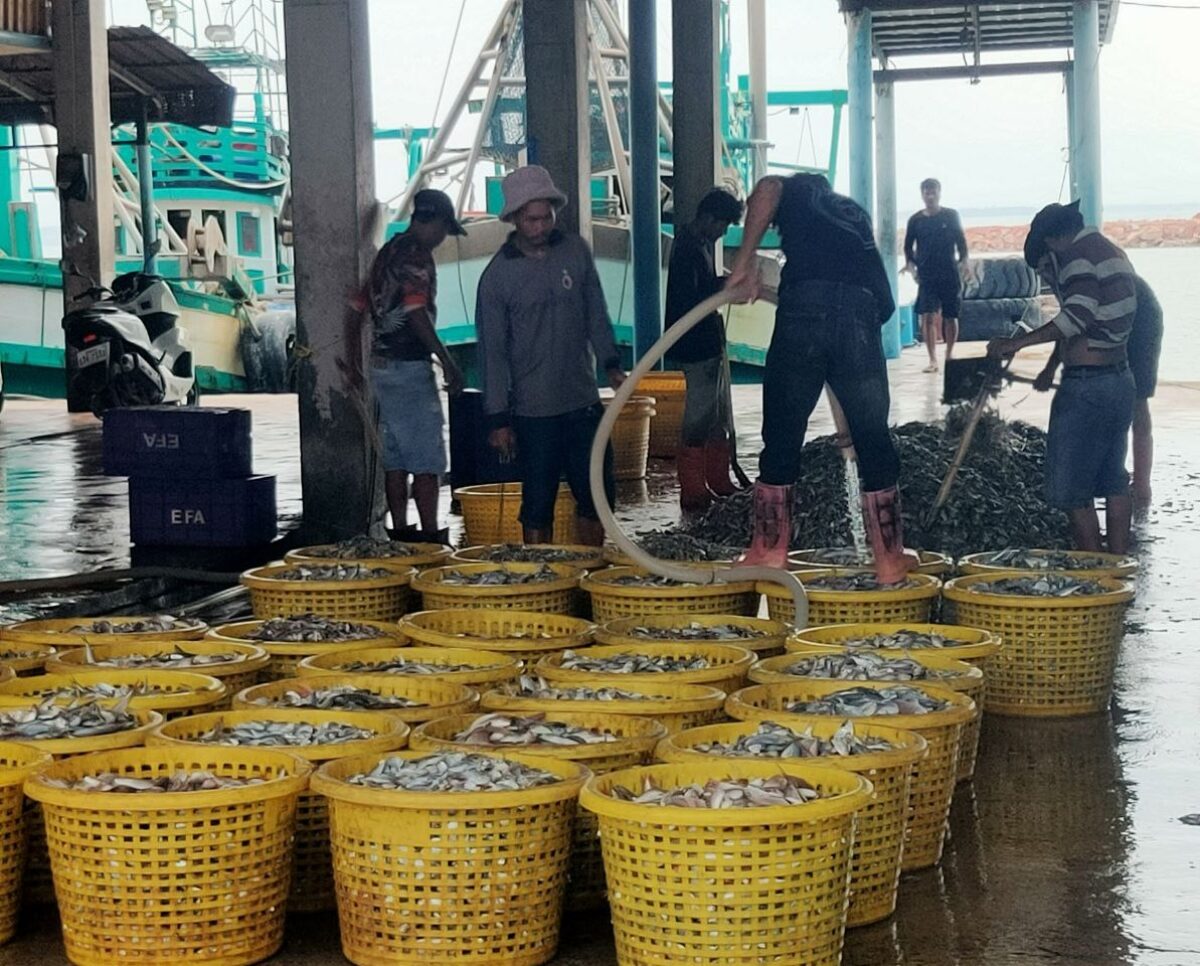
The small pelagic fishery species, such as anchovy and jack mackerel, are in high demand for human consumption, as well as for fishmeal and fish oil. Under the GoTFish project, SFP will focus on the small pelagic fisheries that supply the fish sauce sector, a staple in many Asian cuisines. While the fish sauce market is growing rapidly in Europe and North America, there are currently no market incentive mechanisms to differentiate responsibly produced fish sauce and support ethical suppliers. Developing such a system will help ensure the long-term viability of fish stocks and the health of marine ecosystems and help buyers eliminate supply chain risks and support fishing communities and livelihoods. As part of this work, SFP will support improved GoT-level fisheries ratings and the development of supply chain responsible sourcing programs/schemes. This work will be guided by successful examples of responsible seafood sourcing standard development, existing fishery improvement projects (FIPs), sustainable seafood coalitions supporting small-scale fishers, and FAO’s Small-Scale Fisheries Guidelines.
About the Gulf of Thailand
The Gulf of Thailand Large Marine Ecosystem (GoT LME) covers an area of 391,665 sq km and is considered a global center of shallow water marine biological diversity, with crucial habitats such as coral reefs, seagrass, and mangroves. It provides vital marine-based ecosystem services, including food security, nutrition, and livelihoods, critical both to coastal populations and the export economies of the neighboring countries. Every year, more than 1.8 million tonnes of fish are hauled from the Gulf, an industry valued at over USD 2.2 billion, and approximately 838,000 people are dependent on marine fisheries in the GoT.
The Gulf is complex, with multi-species and multi-gear fisheries and supply chains that extend across borders. The region is also facing growing pressures from overfishing, non-selective fishing practices, and illegal, unreported, and unregulated (IUU) fishing, which are all steadily eroding the health of marine ecosystems. Many key species move across national boundaries, making effective management more challenging.
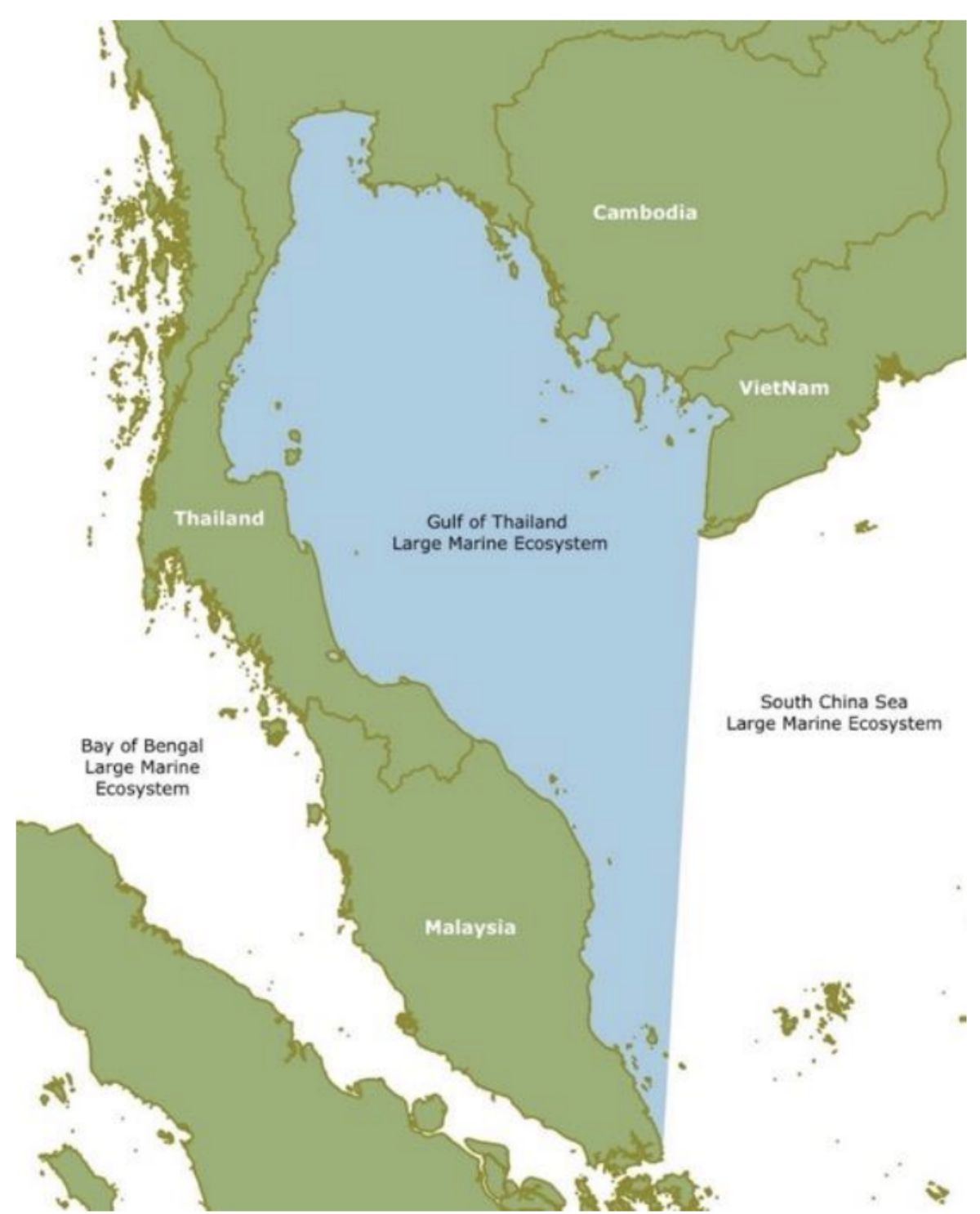
Note: The boundaries and names shown and designations used on this map do not imply the expression of any opinion whatsoever on the part of FAO concerning the legal status of any country, territory, city, or area or of its authorities, or concerning the delimitation of its frontiers and boundaries. (Source: FAO project document)
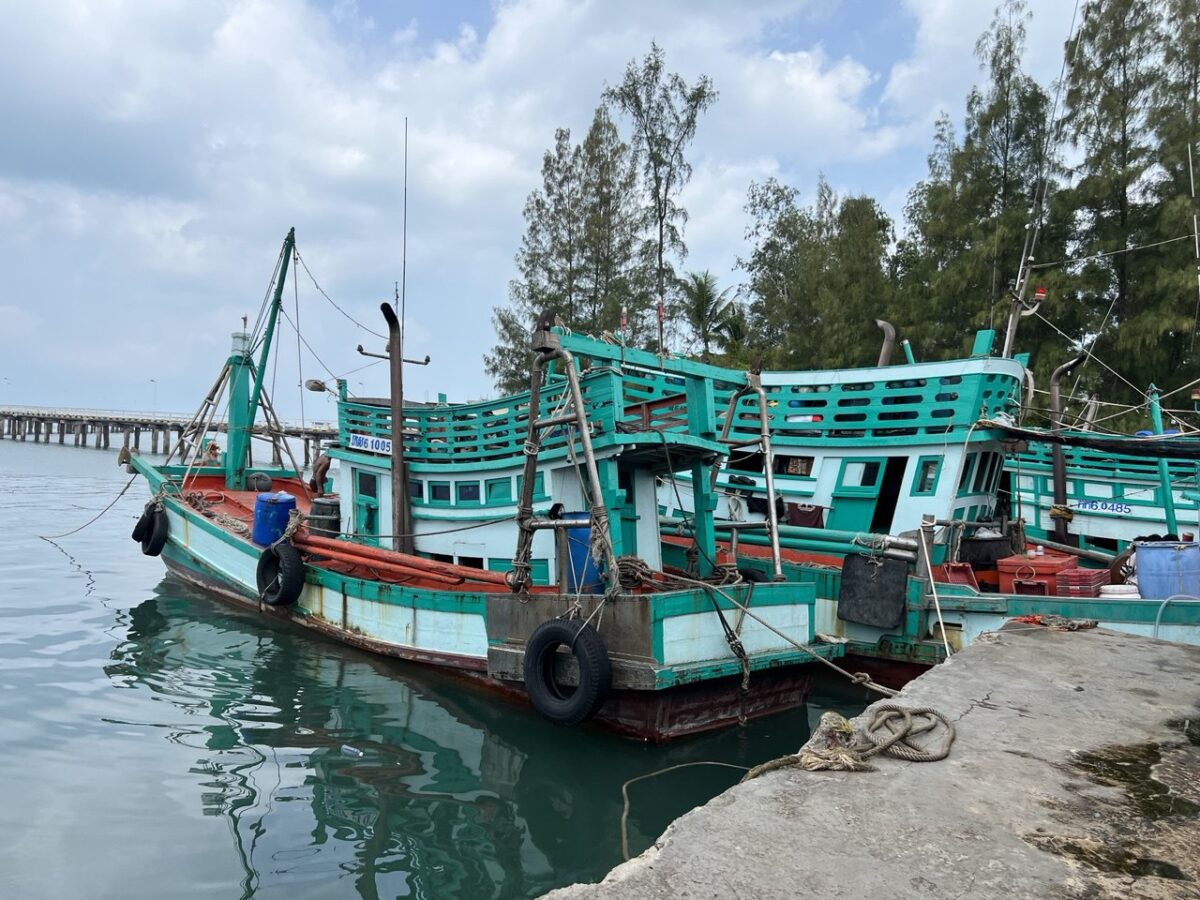
“The Gulf of Thailand is reaching a critical crossroads. With GoTFish, SFP is mobilizing the private sector to turn global seafood demand into a force for recovery. This project shows that when markets support responsible practices, the improvements can be deep and long-lasting.”
– Pedro Ferreiro, SFP Fisheries Governance and Livelihoods Director
Related Links
Project participants
FAO Regional Office for Asia and the Pacific
Southeast Asian Fisheries Development Center
Project webpages
Global Environment Facility project page
Press releases
SFP joins regional partners in launching GoTFish project (2025)
First meeting of the project steering committee (2025)
Regional inception workshop launches the project (GoTFish) (2025)
Learn more about the GoTFish Project
Contact SFP to learn more about the project and how you can support improved fisheries management in the Gulf of Thailand.