Combating IUU Fishing
Electronic Monitoring
Electronic monitoring can help improve the transparency and traceability of seafood products.
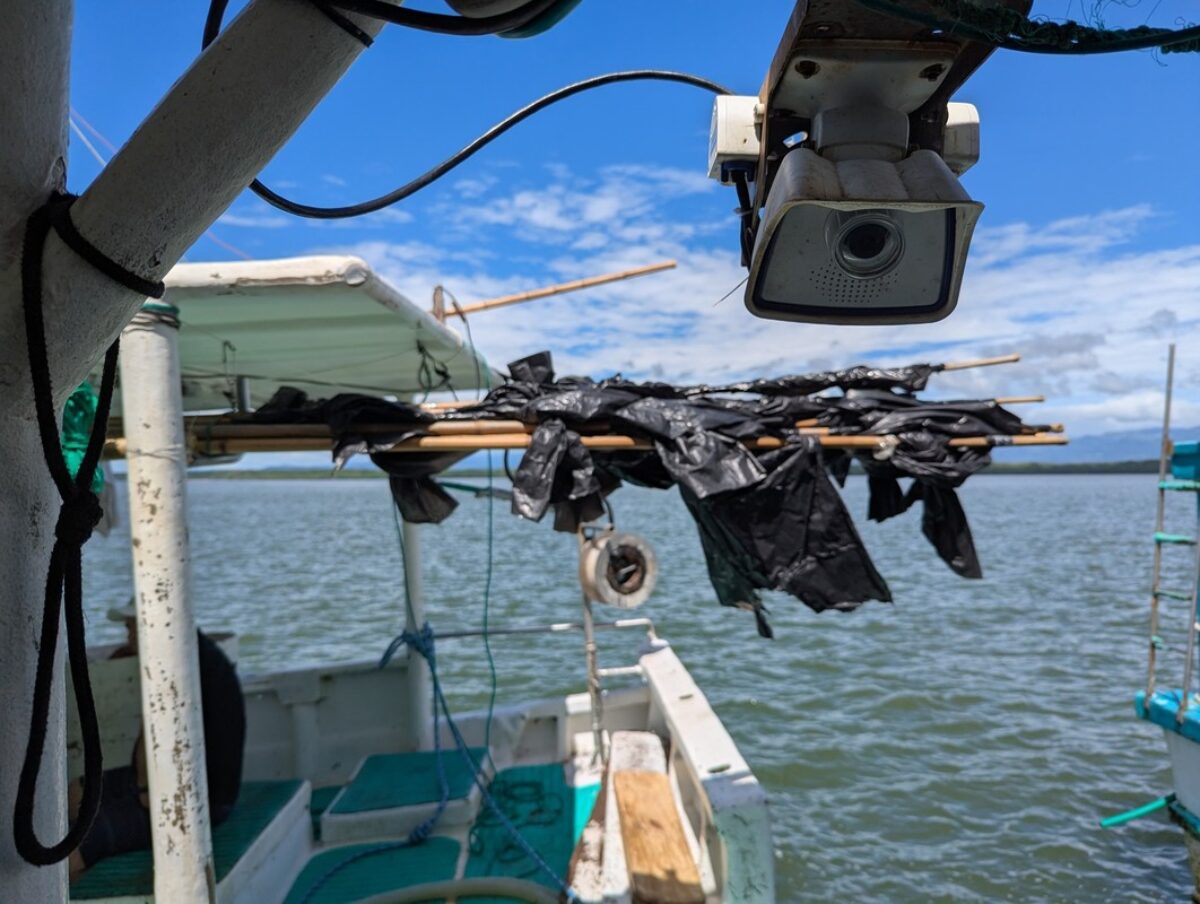
New research from Sustainable Fisheries Partnership examines the potential of electronic monitoring (EM) to meet growing requirements for greater transparency, traceability, and verification in seafood production and trade supply chains. EM can replace traditional in-person fisheries monitoring systems, which can be expensive and inefficient and are often not feasible to implement in many of the world’s fisheries. Effective implementation of EM systems can enable comprehensive data collection and compliance with government and corporate requirements and standards.
The technical report provides guidance and recommendations for fisheries managers, regulators, and the seafood industry on designing and implementing EM systems.
The industry briefing provides a summary of EM’s use and benefits and offers recommendations for how end buyers can support the broader adoption of EM.
In the industry briefing, SFP recommends end buyers take the following actions to support broader uptake of EM systems:
- Identify high-risk source fisheries and request source vessel identification information
- Ask governments and regulators to increase requirements for EM in high-risk fisheries
- Encourage your suppliers and source vessels to ask governments and regulators to involve them in EM program design
- Set a public, time-bound commitment to source only from fishing vessels using human or electronic monitoring in higher-risk commodities or sectors
- Establish a verification system to measure progress toward public commitments.
Accurately estimating catch: An illustration of the effects of bias in independent monitoring of fisheries
Using a computer simulation of a hypothetical longline tuna fleet, this study demonstrates that allocating comprehensive independent monitoring coverage across a fleet and reviewing the associated monitoring data at random is the best option to ensure that catch data are accurate, adequate, consistent, and unbiased. When monitoring coverage was anything less than 100% across the simulated fleet, this invited opportunities for opt-in bias and behavioral changes, which resulted in underestimates of mean catch rates and higher annual variability in catch rate estimates. This translates into an increased likelihood of inaccurate estimates of market and bycatch species populations, risking the overall sustainability of marine wildlife populations. The authors recommend that regional fisheries management organizations (RFMOs) and sustainability certifications adopt clear guidelines requiring 100% independent monitoring across a fleet or fishery with random review of at least 20% of fishing activity, to ensure fisheries managers have credible catch estimates and better visibility of fishing practices to advance the long-term health of fish populations.
Increase the use of electronic monitoring
To learn more about how you can support the development and implementation of EM programs in the world’s higher-risk fisheries, please contact SFP.